Volkswagen will switch its German plant to producing air defence systems for Israel

Dmitro Shevchuk
Dmitro Shevchuk Executive Editor
Volkswagen will switch its German plant to producing air defence systems for Israel

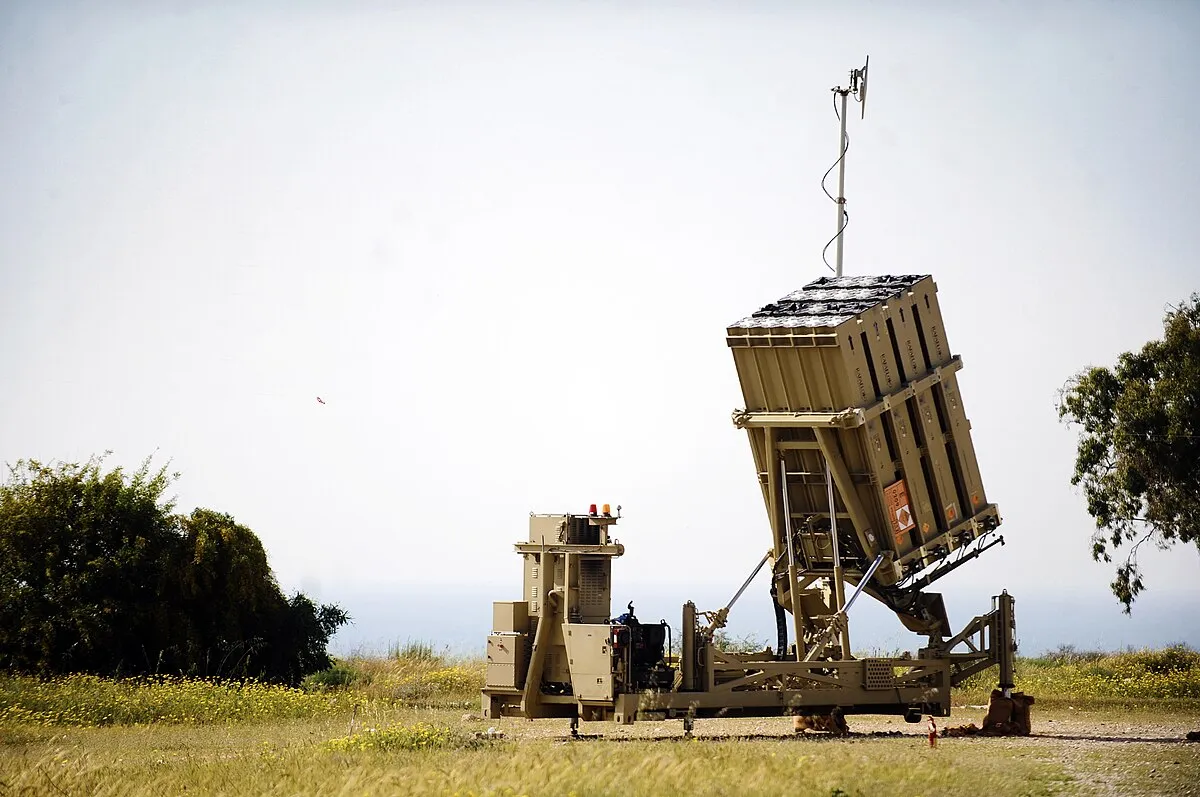
The Iron Dome
The German automotive giant is in talks with the Israeli defence firm Rafael Advanced Defence Systems regarding the conversion of one of its plants to manufacture components for the Iron Dome air defence system.

This is according to the Financial Times.

The plant in question is Volkswagen’s facility in Osnabrück (Germany), where cars are currently manufactured. Once production of the T-Roc Cabriolet model ends in 2027, the plant could be converted to produce defence equipment.

The plan involves the production of components for the Iron Dome air defence system and the potential sale of air defence systems to European countries.

Around 2,300 jobs will be preserved at the plant.

Production is expected to begin 12–18 months after the decision is made.

However, Volkswagen has stated that it does not plan to manufacture the missiles or weapons themselves, but may produce components for air defence systems.

This case reflects a trend: the European automotive industry is gradually shifting towards military production.

The reasons for this include falling profits for car manufacturers, competition from Chinese producers, and a sharp rise in defence spending across Europe.

And the need for air defence systems plays a key role against the backdrop of Russia’s war against Ukraine and conflicts in the Middle East.

Analysts say that many German factories could be converted for military production, and Volkswagen is just one of the first examples.
Share tittle
Economy
All the electricity put up for sale was sold at the long-term auction
Economy

All the electricity put up for sale was sold at the long-term auction

Energoatom and Ukrhydroenergo have sold all the electricity volumes offered at the first special long-term auctions. In total, the state-owned companies sold 462,148 MWh, to be supplied between August and December 2026.

22.07.2026
The IMF has postponed the introduction of VAT for sole traders until 2028: what will change
Economy

The IMF has postponed the introduction of VAT for sole traders until 2028: what will change

The International Monetary Fund has agreed to postpone the introduction of value added tax (VAT) for sole traders operating under the simplified tax system. Instead of January 2027, the new rules are due to come into force on 1 January 2028.

22.07.2026
After the war, the military levy may be replaced by a reconstruction tax — the government is discussing the idea with the IMF
Economy

After the war, the military levy may be replaced by a reconstruction tax — the government is discussing the idea with the IMF

The Ukrainian government is considering replacing the current 5 per cent military levy with a special tax for post-war reconstruction. This option is included in the updated Memorandum of Cooperation between Ukraine and the International Monetary Fund.

22.07.2026
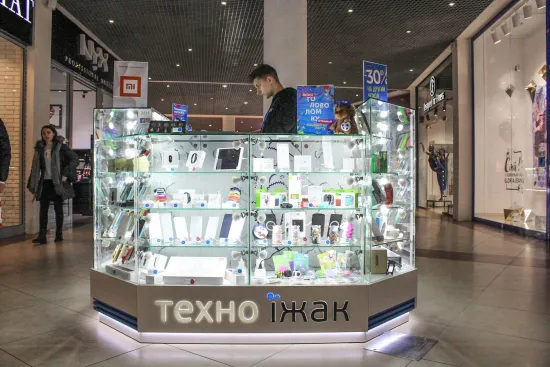
Court overturns 4 million fine following an inspection of ‘Tekhno Yizhak’
Economy

Court overturns 4 million fine following an inspection of ‘Tekhno Yizhak’

During a retrial, the Kharkiv District Administrative Court quashed a tax penalty of 4,038,423 hryvnias imposed on a business owner following an inspection of a shop in the centre of Odesa. The decision was based on irregularities in the way the inspection was arranged, rather than on a refutation of the tax authorities’ claims regarding the accounting of goods.

22.07.2026
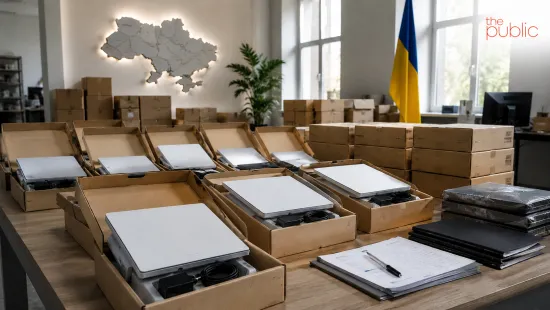
The Innovation Development Fund plans to purchase 860 Starlink Mini units for 17 million
Economy

The Innovation Development Fund plans to purchase 860 Starlink Mini units for 17 million

The Innovation Development Fund has announced a tender for the purchase of 860 Starlink Internet Satellite Mini satellite modems or their equivalents. The maximum funding amount for the purchase, including VAT, is 17.028 million hryvnias.

22.07.2026