US Intervention in Latin America: A historical overview

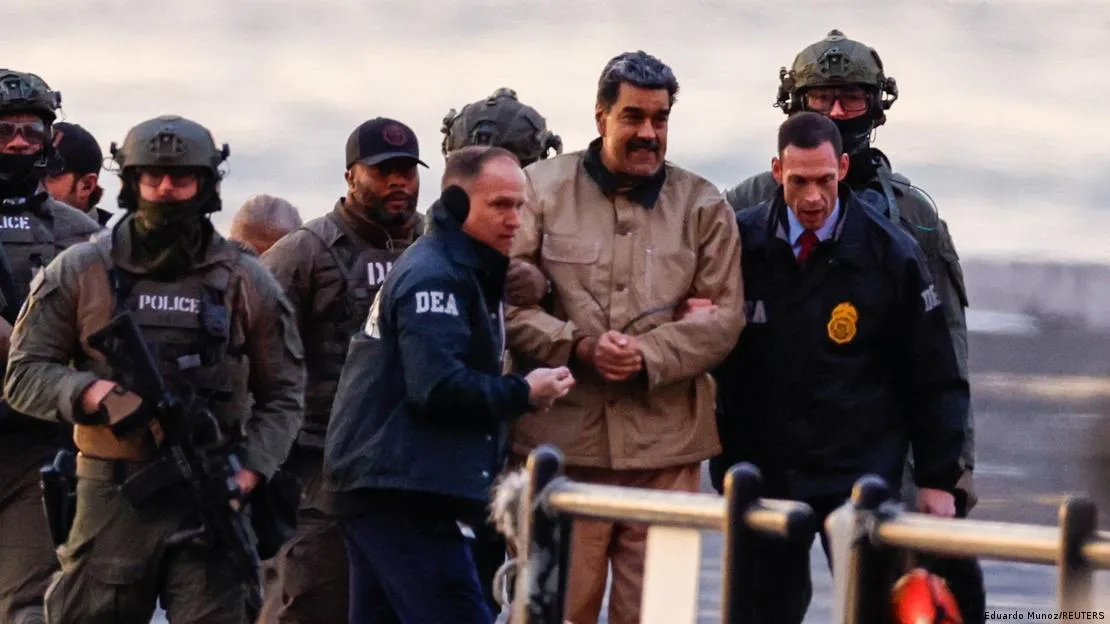
The US military operation in Venezuela on 3 January 2026 is evidence of a long tradition of US intervention in Latin America. During this operation, US forces detained Nicolas Maduro, the former president of Venezuela, and his wife, accusing them of drug terrorism. This action, which is recognised as illegal under international law, is just one episode in a broader history of American influence in the region, which Washington justifies as necessary to ensure security.
The legacy of American intervention is rooted in the Monroe Doctrine, formulated in 1823, which was different from other foreign policy principles. President James Monroe warned European nations against active involvement in the Western Hemisphere, viewing their potential actions as a threat. This warning was later transformed under Theodore Roosevelt, who argued that the United States had the right to intervene in Latin America to prevent instability.
In 2025, the new US National Strategic Document reaffirmed the intention to resume the implementation of the Monroe Doctrine. President Trump emphasised the importance of this doctrine, noting that the current form of its implementation is expanding.
Let's take a look at five key cases of American intervention in Latin America after the Second World War:
- Guatemala, 1954: The US government supported a coup that led to the ouster of President Jacobo Arbenz. The reasons were his reforms that threatened the interests of American companies, in particular, the United Fruit Company.
- Cuba, 1961: In pursuit of a plan to overthrow Fidel Castro, the United States supported the failed Bay of Pigs invasion. This operation failed, increasing tensions between the United States and Cuba.
- Chile, 1973: Given the deteriorating relations with the socialist government of Salvador Allende, Washington imposed economic sanctions and contributed to destabilisation by supporting opposition groups. This destabilisation resulted in a military coup.
- Grenada, 1983: After an internal coup and the assassination of Prime Minister Maurice Bishop, the United States launched Operation Sudden Fury, justifying the intervention by the need to ensure security.
- Panama, 1989: A full-scale invasion of Panama took place to remove General Manuel Noriega, a former US ally, on drug-related charges.
This history of interventions and interference underscores the complexity of the US-Latin America relationship. It reflects Washington's desire to maintain control and influence in this strategically important region.
Source and photo: DW