Europe's dependence on American gas strengthens Trump's political influence

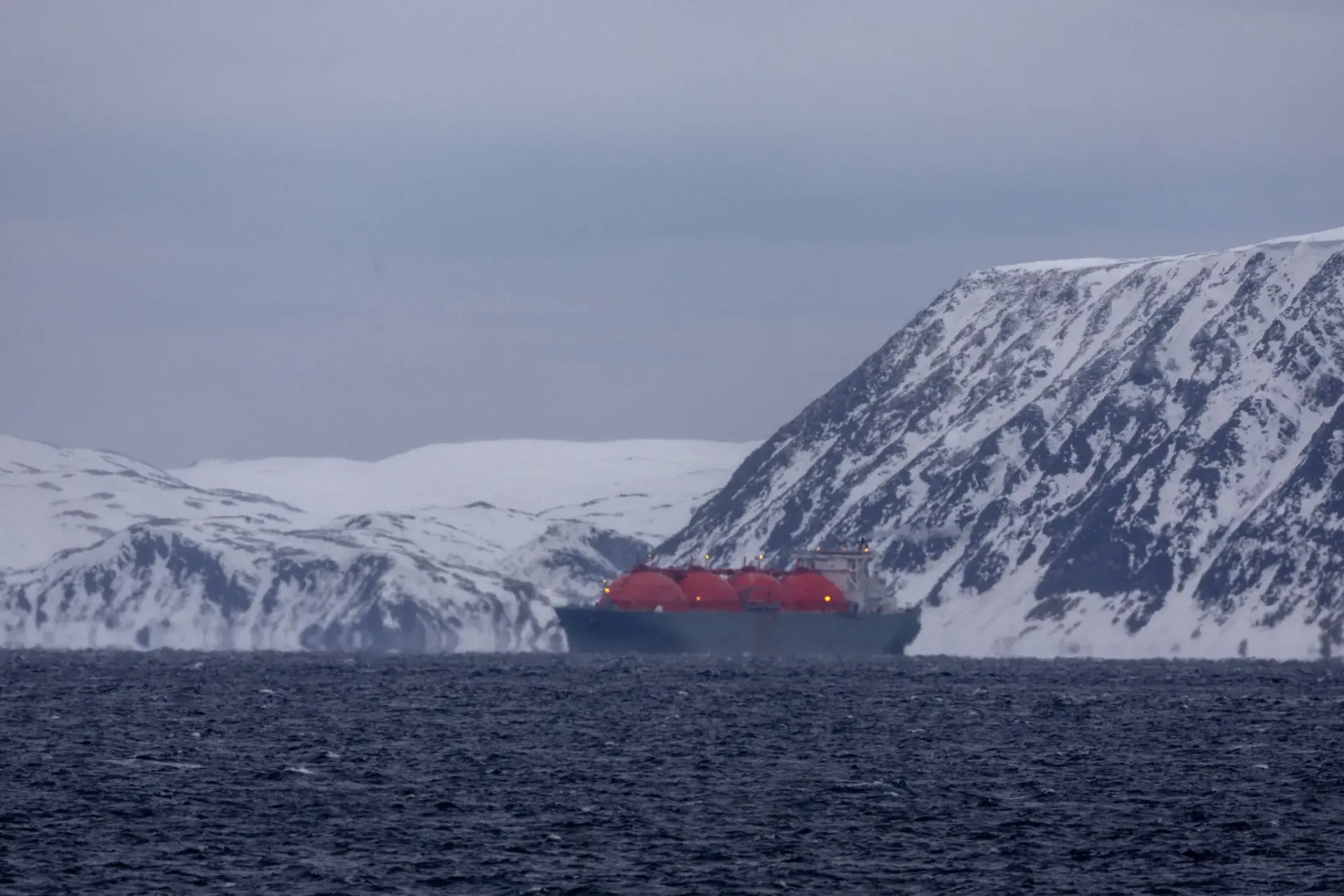
With the growth of imports of American liquefied natural gas, Europe is increasingly at risk of finding itself in a new form of energy dependence, which could also have political consequences. Against this backdrop, European capitals are increasingly concerned that the administration of US President Donald Trump could use Washington's position in the oil and gas sector as leverage over its partners.
This is reported by The New York Times.
According to experts, after Russia's full-scale invasion of Ukraine in 2022, Moscow sharply reduced gas supplies to Europe in an attempt to put pressure on the continent. At that time, the situation was partially stabilised by supplies of liquefied natural gas, a significant part of which came from the United States.
"We replaced one large-scale dependency with another," said Henning Gloistein, managing director of energy at the Eurasia Group think tank. According to him, what seemed like a lifeline a few years ago now looks like a strategic risk.
Before the war, Russian gas was a key source for the EU: in 2019, it accounted for more than half of the Union's natural gas imports. After the reduction of supplies through pipelines via Ukraine, Poland and the Baltic Sea, prices rose sharply, putting serious pressure on economies and consumers.
The US has replaced Russia. While at the end of 2019 American gas covered about 5% of EU imports, in 2025 its share exceeded a quarter of the total volume. According to the Bruegel think tank, LNG supplies from the US to the EU increased by about 60% last year alone.
However, with the start of Donald Trump's second presidential term, there is increasing talk in Europe about the risks of such concentration. In particular, concerns have intensified amid Washington's tough trade rhetoric and statements on Greenland.
"People are beginning to realise that Europe has probably become too dependent on American LNG," said Anne-Sophie Corbo, a researcher at Columbia University's Centre on Global Energy Policy.
Despite active investment in renewable energy, Europe still needs natural gas for heating and industry. At the same time, domestic production is declining, and new projects, particularly in the UK, are not receiving sufficient support.
Analysts point out that a complete halt to supplies from the US is unlikely, as this would be contrary to the interests of the American oil and gas industry. However, even partial restrictions or additional export duties could lead to higher prices and costs for Europe.
"The concentration of imports matters. Europe has now become more vulnerable to disruptions related specifically to the US," concluded Bruegel analyst Ugne Kelyauskaite.
Europe, US, Donald Trump, energy dependence, EU, Bruegel, The New York Times, geopolitics