The Trump administration is approaching a possible large-scale conflict with Iran

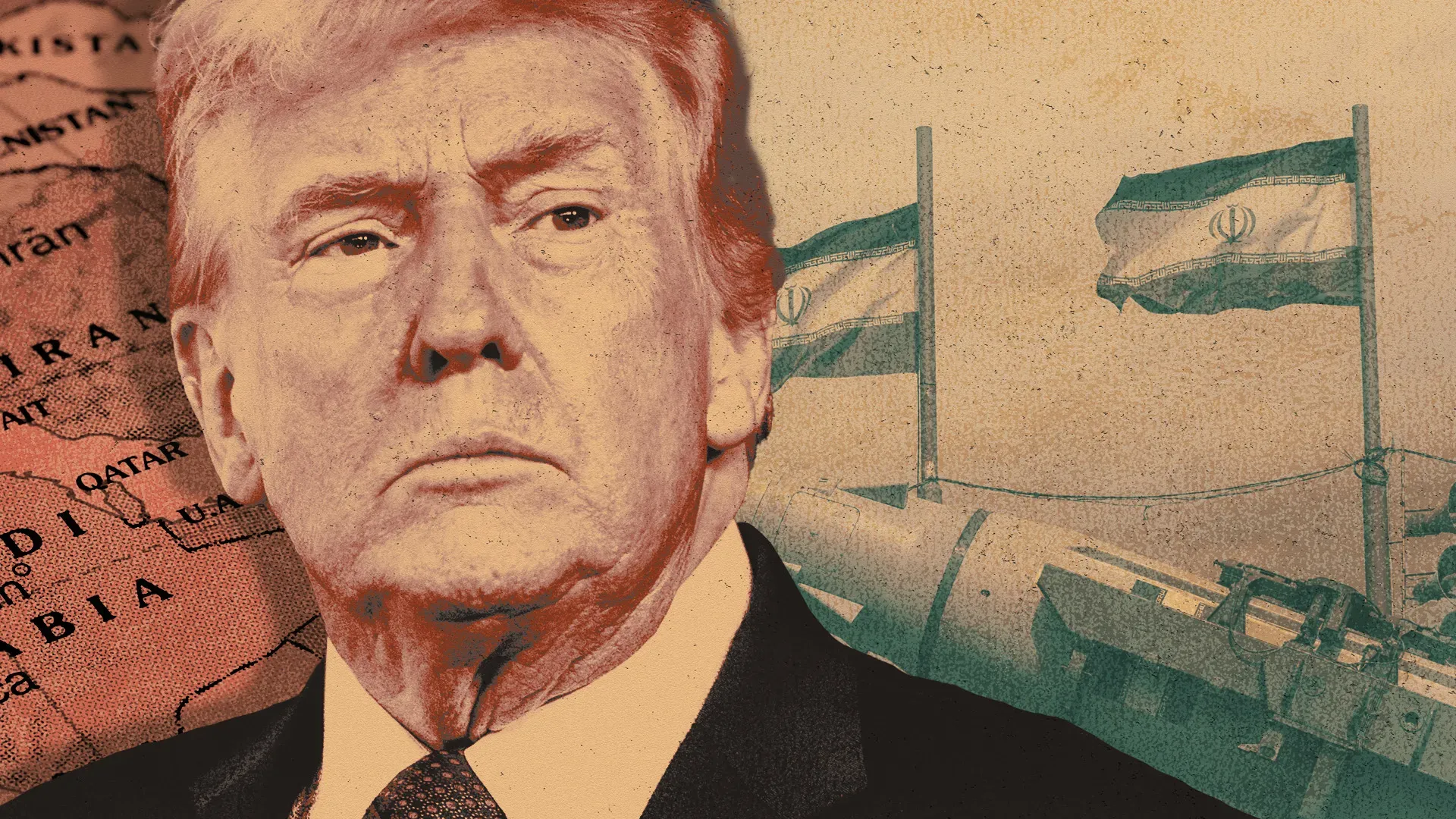
The Donald Trump administration has significantly increased the US military presence in the Middle East, which, according to sources, may indicate preparations for a large-scale operation against Iran. This could be a campaign lasting several weeks, which would exceed previous limited strikes in scale and could have serious consequences for the entire region.
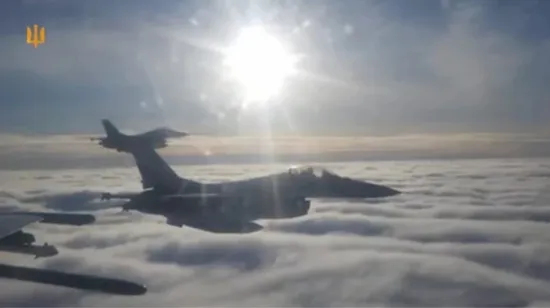
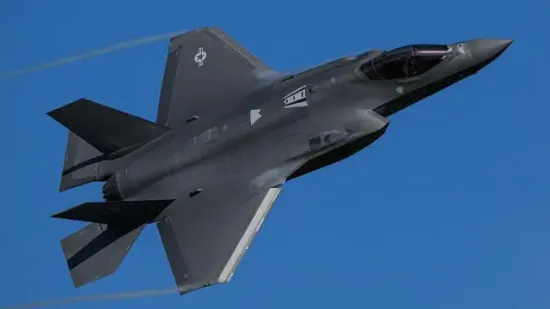
According to US officials, there are currently two aircraft carriers, about ten warships, hundreds of fighter jets and several air defence systems in the region. More than 150 cargo flights have already delivered weapons and ammunition, and in the last 24 hours alone, another 50 F-35, F-22 and F-16 aircraft have been sent to the region. Some of the equipment is still on its way to the potential conflict zone.
In January, Trump was close to launching strikes against Iran after mass protests and harsh actions by the Iranian authorities against demonstrators. After that, the White House moved to a dual-track strategy, combining negotiations on the nuclear programme with a large-scale military build-up.
On Tuesday, three hours of talks took place in Geneva between Trump's advisers Jared Kushner and Steve Wiggins and Iranian Foreign Minister Abbas Araghchi. The parties reported some progress, but the differences remain significant. Vice President Jay D. Vance noted that part of the negotiations were constructive, but Iran is not yet ready to recognise the key red lines set by the US president. According to him, diplomacy may have reached its natural limit.
According to sources, Israel is preparing for possible developments in the coming days and is advocating for the maximum scenario, which involves not only strikes on nuclear and missile infrastructure, but also pressure for regime change. At the same time, some US senators suggest that a decision could be made in a few weeks.
Sources close to Trump say that the probability of military action in the coming weeks is 90 per cent if Iran does not offer a detailed settlement plan within two weeks. Last year, in a similar situation, the White House set a similar deadline before launching a military operation.
There are currently no signs of a diplomatic breakthrough, while the scale of military preparations continues to grow. A possible conflict could become the most serious US military intervention in the Middle East in the last decade and determine Washington's foreign policy course for years to come.