Body cameras in the TCC: who will have access to the video during the delivery of summonses

This is stated in Order No. 532 of the Ministry of Defence.
Territorial recruitment and social support centres (TRSC and SS) have introduced the use of body cameras during public notification events.
The devices are used to video record the process of delivering summonses and checking documents. All body camera recordings are stored on special secure servers.
According to Ministry of Defence Order No. 532, only certain officials have access to these recordings.
According to the rules, each notification group receives one body camera. Another is used by a police officer working with TCC representatives.
The camera must be turned on throughout the entire notification process. Failure to use the device will result in disciplinary action.
Before starting to check documents or deliver a summons, an authorised representative of the TCC must warn citizens about photo and video recording.
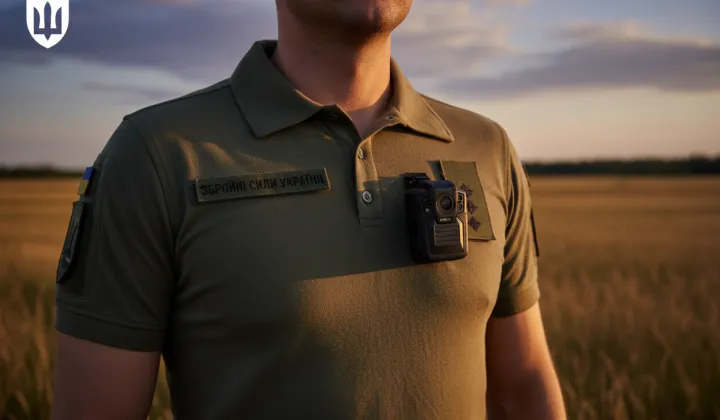
The military body camera is placed on the chest.
According to the rules, from 1 September 2025, all TCC and SP employees must use body cameras while performing their duties. Violation of the video recording requirements may also be grounds for disciplinary action.
Recordings from body cameras are not usually made publicly available due to legal restrictions.
The transfer of video for publication is only possible with the permission of the head of the TCC and in compliance with the requirements of the legislation on the protection of personal data.
As Roman Istomin explained, photos and videos or copies thereof may be provided upon reasoned requests from state authorities, pre-trial investigation bodies, the prosecutor's office, the investigating judge, the police or other persons in accordance with the procedure established by law.
According to the authors of the initiative, the use of body cameras should increase the transparency of the work of the TCC and SP when notifying citizens, as well as help to avoid conflict situations.
In addition, video recording can serve as additional evidence in the event of disputes during the delivery of summonses or verification of documents.