Britain has deployed fighter jets to Cyprus amid the risk of escalation around Iran

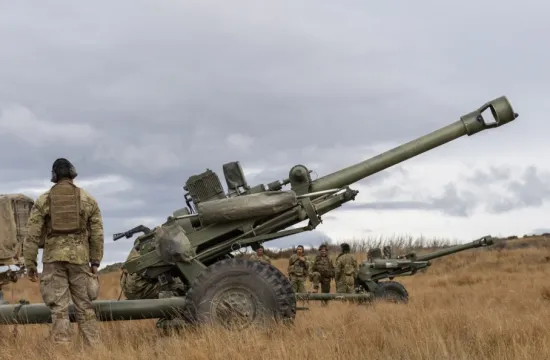
The United Kingdom has strengthened its military presence in the eastern Mediterranean by deploying six F-35B fighter jets to RAF Akrotiri in Cyprus. According to British media reports, the aircraft took off from RAF Marham on Friday and are to perform defensive tasks in case of further escalation in the region.
The decision was made amid growing concerns that the US could strike Iran, which could escalate into a wider regional conflict. London notes that the security of the British base and sovereign territories in Cyprus is constantly being reviewed, and the number of military assets is adjusted depending on the threats.
The F-35Bs have joined the Typhoon fighters already stationed in Cyprus and carrying out missions over Iraq and Syria as part of Operation Shader against the remnants of ISIS. Unlike them, the newly arrived F-35Bs have a purely defensive role. Last month, four more Typhoons from the joint British-Qatari squadron were sent to Qatar at the request of local authorities due to growing tensions in the Middle East.
The strengthening of the British air presence took place against the backdrop of indirect talks between the US and Iran, mediated by Oman. This was the first meeting between the parties since Washington supported Israeli strikes on Iranian nuclear facilities last June.
President Donald Trump said the talks went very well and would continue early next week. According to him, Tehran is allegedly seriously interested in reaching an agreement. At the same time, on the same day, Trump signed a decree providing for the possibility of imposing tariffs on countries that directly or indirectly trade with Iran. As an example, he mentioned a 25 per cent tariff, without specifying the specific parameters.
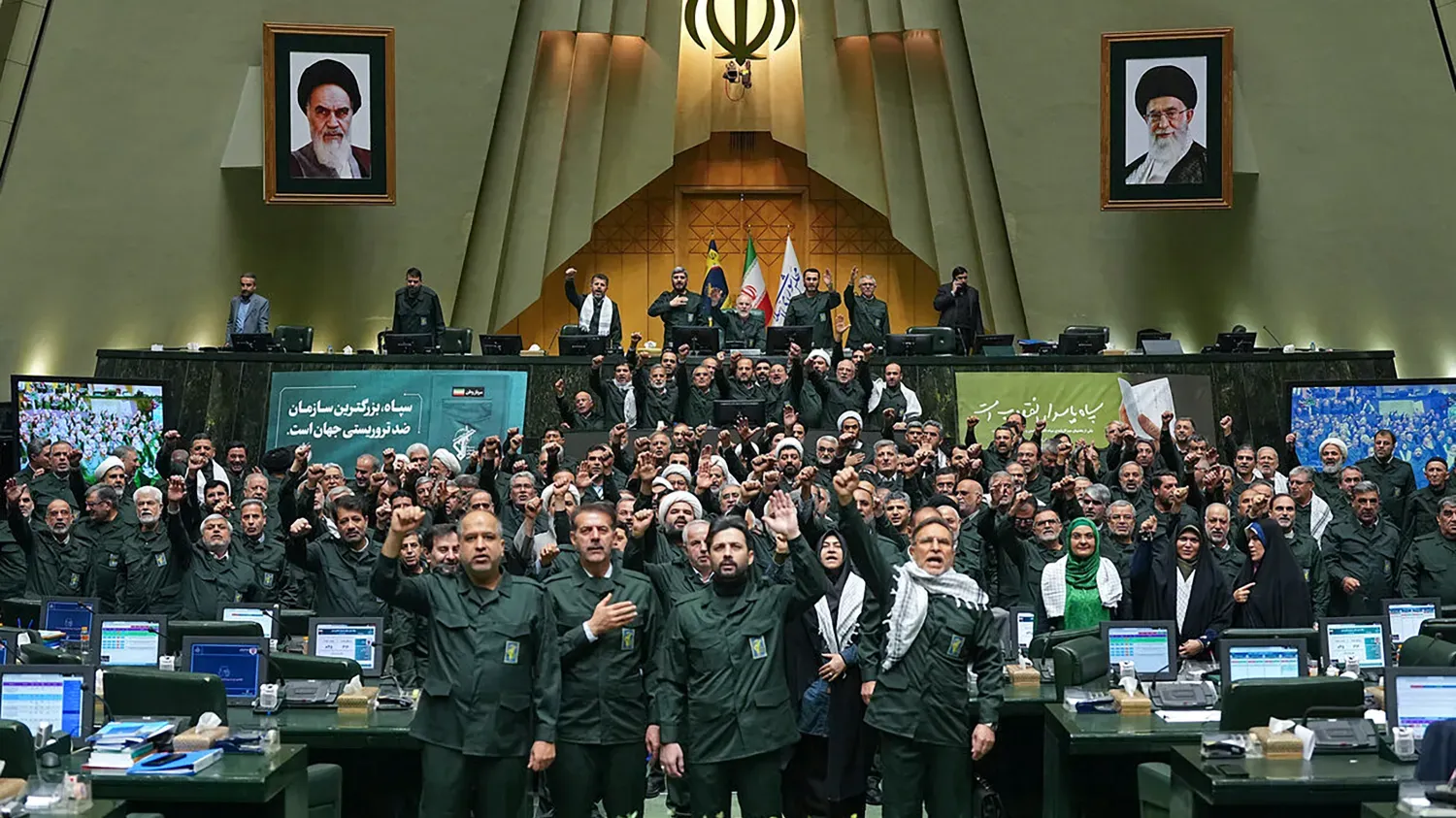
Iranian Foreign Minister Abbas Araghchi called the talks a positive start and confirmed the agreement to continue the dialogue. According to him, the parties exchanged arguments in a constructive atmosphere, and the format and timing of the next round are still to be determined. At the same time, Tehran insists that the discussions concern exclusively the nuclear programme and do not cover the country's missile capabilities.
At the same time, Washington's position remains tougher. US Secretary of State Marco Rubio previously stated that the United States also wants to discuss Iran's ballistic missiles, support for regional armed groups and Tehran's domestic policy. In addition, immediately after the talks ended, the US announced new sanctions against Iranian oil exports.
The talks took place against the backdrop of a significant build-up of American forces in the Persian Gulf. Although this force is smaller than during the strikes in June, it has grown significantly over the past month, making the threat of a military scenario more palpable. At the same time, US allies in the region, notably Saudi Arabia and the UAE, are warning against military escalation and refusing to allow their airspace to be used for possible attacks.