Why is fuel getting more expensive? An explanation from expert Serhiy Tykhanov

This is reported by ‘StopCor’ citing expert Sergei Tykhanov.
Lost infrastructure and new logistics
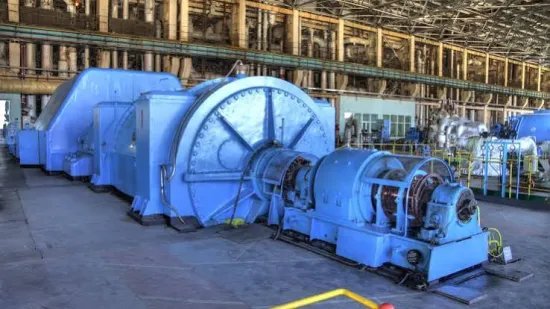
The Ukrainian fuel market is currently operating on a ‘day-to-day’ basis. According to Sergei Tykhanov, the current situation is a direct consequence of large-scale attacks on the country’s energy system.
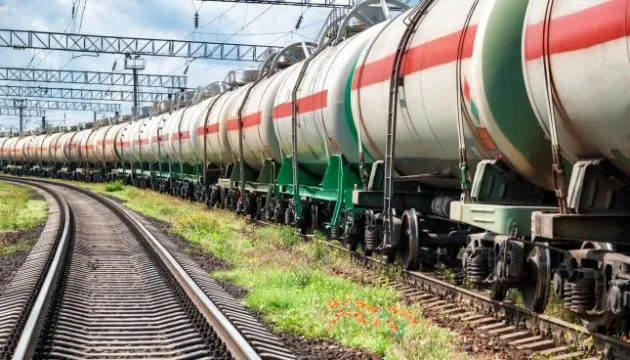
In 2022, production facilities, oil refineries, fuel storage tanks and underground storage facilities were damaged or destroyed. This had a negative impact on the energy system, forcing Ukraine to completely restructure its logistics chains within a matter of months. We began actively purchasing fuel from Europe and other countries. This transformation helped avoid a shortage, but created another challenge — the complete dependence of the cost per litre of fuel on external prices. When a country does not produce enough of its own fuel, it effectively loses the ability to control prices, becoming hostage to the global market.
The anatomy of the price: where your money goes
Many drivers believe that high prices are solely driven by petrol station chains’ desire to make excessive profits. However, the expert explains in detail the cost structure of each litre, where the majority of the price is determined outside the country.
According to data from Serhiy Tykhanov, the price of fuel consists of four main components:
-
40% is the direct purchase price on the international market.
-
40% — taxes and excise duties.
-
15% — delivery and complex logistics.
-
Only 5% — fuel companies’ profit.
In other words, the lion’s share of the price depends on factors over which Ukrainian companies have no influence, making the market extremely sensitive.
Risks and seasonal fluctuations
The fuel system remains vulnerable to any changes. Market stability is influenced by exchange rates, global oil prices, logistical problems and even public panic. War remains a critical factor: the destruction of depots or infrastructure can instantly change the market situation.
Seasonality also plays an important role. During periods of increased demand, for example, during field work, prices may rise slightly. The expert notes that this is a normal process for any market operating according to the laws of supply and demand.
Forecast: what drivers can expect
Despite high volatility and dependence on imports, Serhiy Tykhanov assesses the current situation as under control. The market has fully adapted to the new conditions, and the fact that the system is functioning stably during the war is already a significant achievement. According to the expert’s conclusion, unless serious external factors or new large-scale destruction arise, prices at Ukrainian petrol stations will remain at current levels in the near future. Only moderate fluctuations are possible, which will not lead to sharp changes in drivers’ fuel bills.
Follow us on Telegram