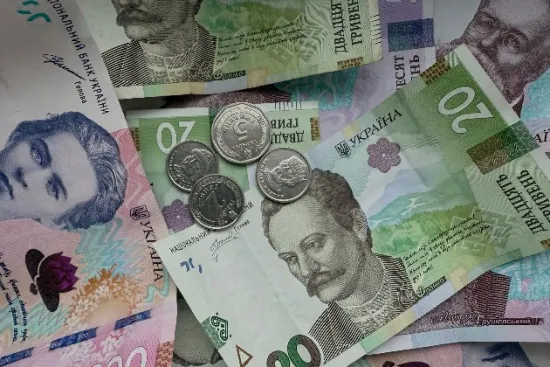
Russia's budget deficit has exceeded the annual target in just two months

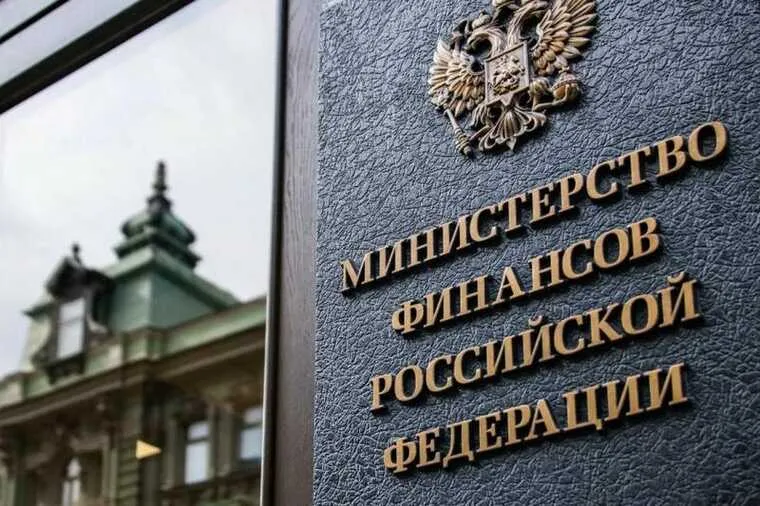
Russia’s federal budget for January–February 2026 recorded a deficit of $69.9 billion. This is almost double the Ministry of Finance’s previous estimate of $43.3 billion. Thus, in the first two months of the year, the deficit has already exceeded the annual target of $50.5 billion, according to Ukraine’s Foreign Intelligence Service.
The report highlights a significant discrepancy between the data from the Federal Treasury and the Ministry of Finance. According to the Treasury, revenue stood at $31.36 billion, whereas the Ministry of Finance’s report puts this figure at $59.79 billion. Meanwhile, expenditure figures are almost identical, standing at $101.47 billion and $103.10 billion respectively.
Western economists view this discrepancy as evidence of uncertainty in budgetary accounting and a possible overestimation of revenue in the Ministry of Finance’s forecasts. Minor differences in expenditure indicate that cost-cutting is not taking place.
The decline in oil and gas revenues has a significant impact on the budget. In the first quarter of 2026, these stood at $18.1 billion, a 45.5% year-on-year decrease. This is the lowest figure since 2022.
At the same time, expenditure remains high due to funding for security and defence, creating a structural imbalance between revenue and expenditure.
Russian think tanks, notably the Centre for Macroeconomic Analysis and Forecasting (CMAP), predict that the annual deficit could exceed official projections by two or three times if energy revenues remain at current levels and expenditure continues to rise.
Under current conditions, the deficit is planned to be covered by balances in treasury accounts and privatisation proceeds. These sources are not considered a long-term solution.
If current trends persist, Russia may face the depletion of reserves and the need to make decisions on cutting expenditure or seeking additional sources of funding.
Follow us on Telegram