Dozens of reposts by Tsyvinskyi instead of charges: how is the ESBU case against Telegram channels with a million subscribers progressing?

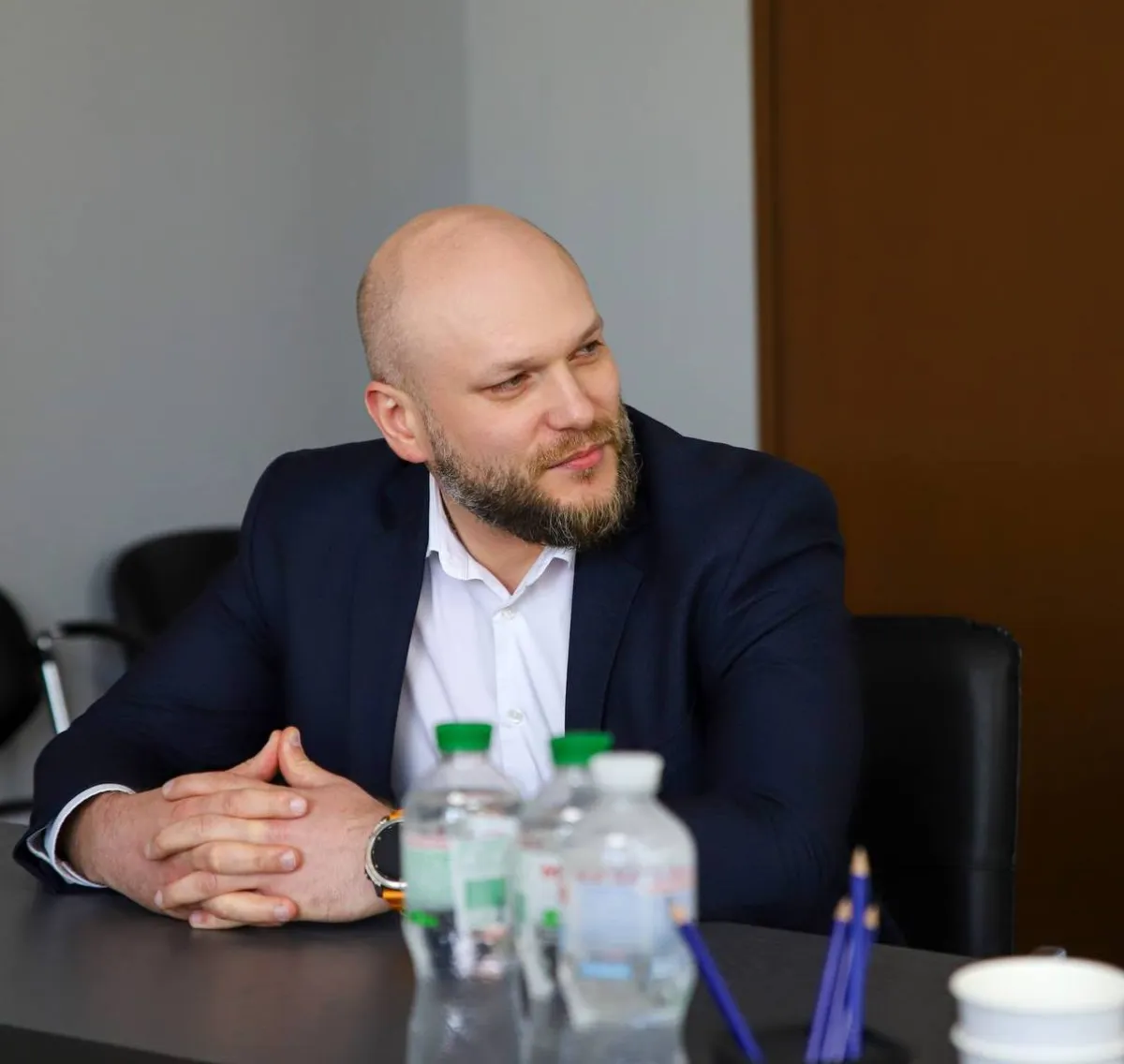
In early 2026, MP Yaroslav Zheleznyak claimed that the owners of Ukraine’s largest Telegram channels might be evading tax. According to him, these channels, with a combined audience of over 30 million subscribers, operate as major media businesses, generating revenue from advertising and political content, with some payments made in cash or cryptocurrency.
Zheleznyak submitted the findings of his investigation to the Economic Security Bureau of Ukraine (ESBU). Immediately afterwards, the Bureau announced the launch of a pre-trial investigation into breaches of tax and financial legislation.
“The ESBU emphasises that Telegram channels engaged in commercial activities are subject to Ukrainian legislation and are obliged to declare their income and pay taxes. The ESBU takes a systematic approach. The rules are the same for everyone – regardless of platform, audience or format of activity,” the institution wrote on its official website at the time.
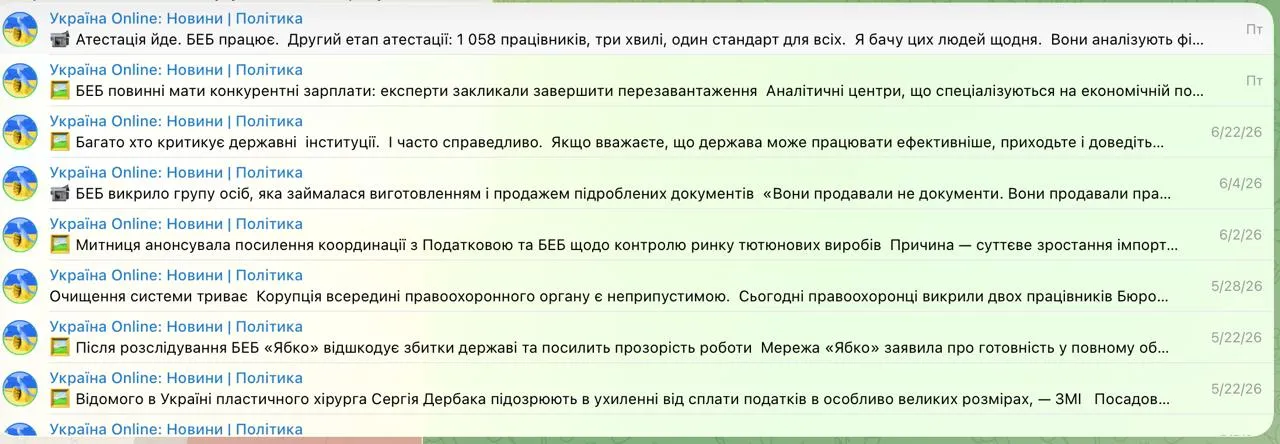
It is known that the MP’s statement referred to the Telegram channels Ukraine Online, Times of Ukraine, Insider and Real War. At the same time, the media speculated that Trukha, Grey Cardinal and the Monaco Battalion were also implicated in the ESBU’s criminal proceedings.
However, over the next six months, the Bureau’s detectives failed to bring any charges against the individuals whom the MP had accused of tax evasion. Moreover, Zheleznyak himself subsequently shifted his focus to issues relating to the appointment of certain Telegram channel administrators and ceased to mention their tax evasion in public.
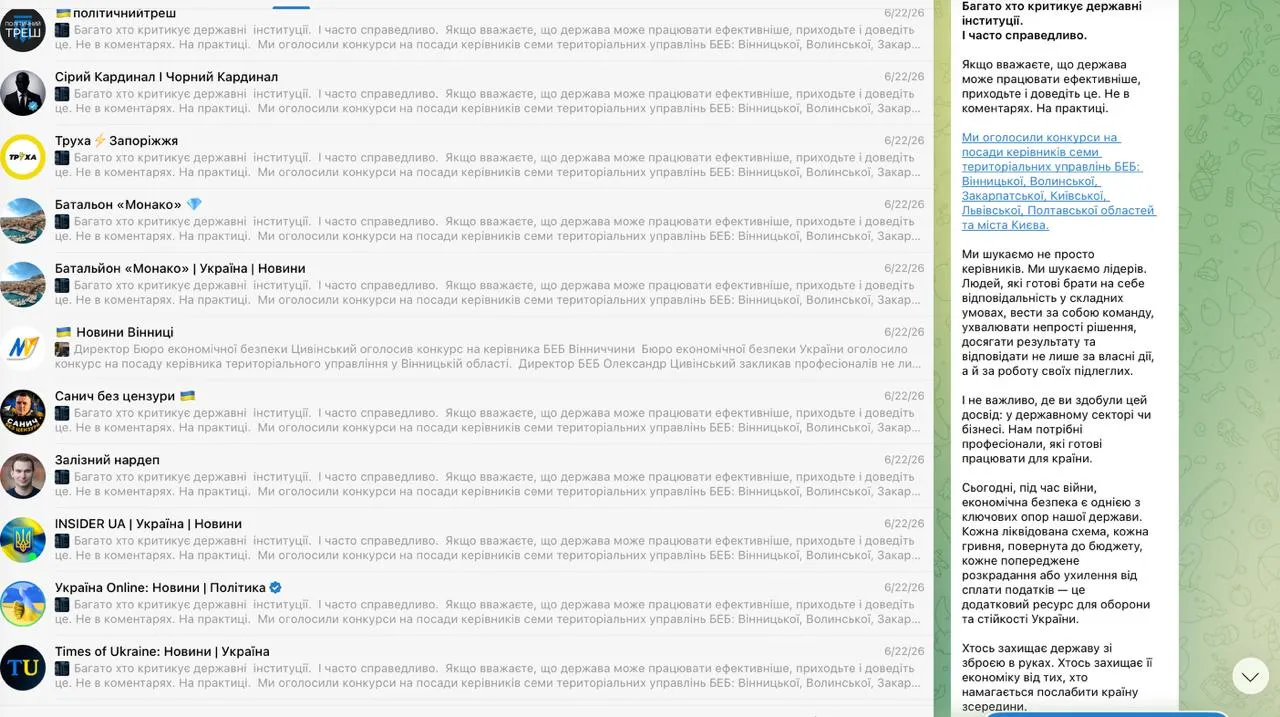
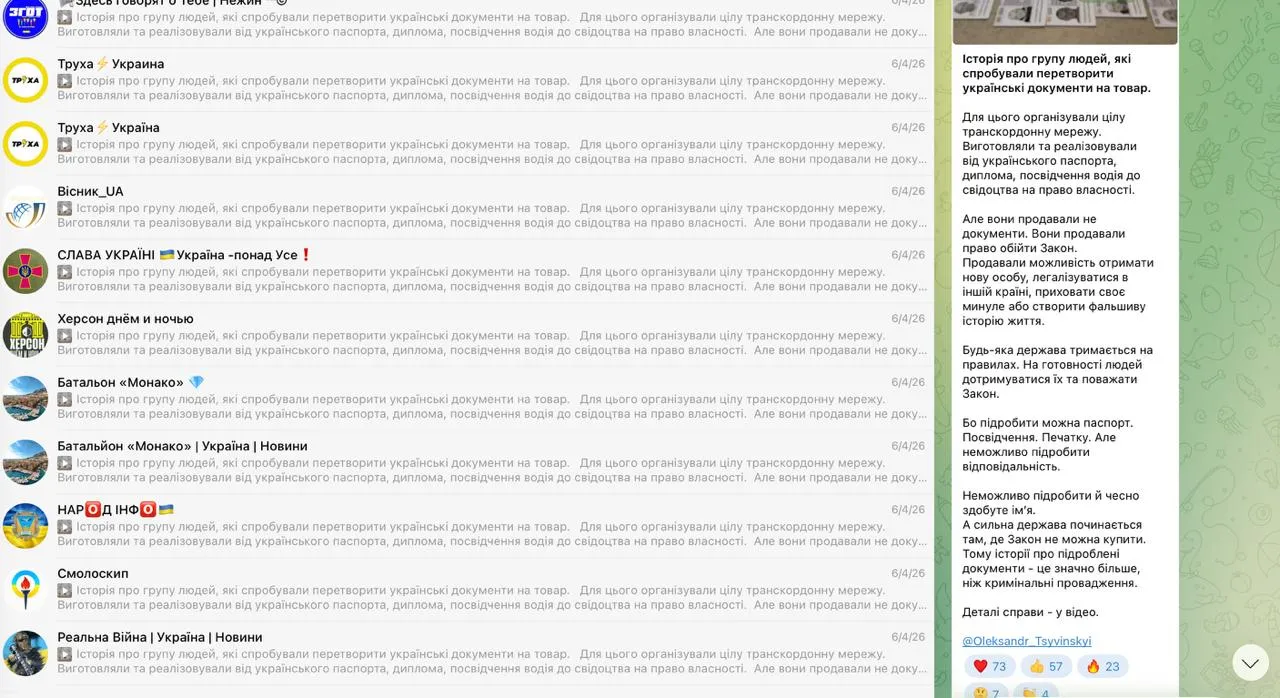
Instead, on the Telegram channels monitored by the ESBU, there has been a significant increase in the number of posts about the head of the institution, Oleksandr Tsyvinskyi. In particular, Trukha, Grey Cardinal, Ukraine Online, Battalion Monaco and Times of Ukraine regularly publish messages from his official Telegram channel. Such reposts often appear simultaneously or in two waves with a minimal time interval between them. In addition to Tsyvinskyi’s personal posts, the channels also consistently cover the activities of the ESBU itself, whilst, for example, the NABU is only systematically criticised.
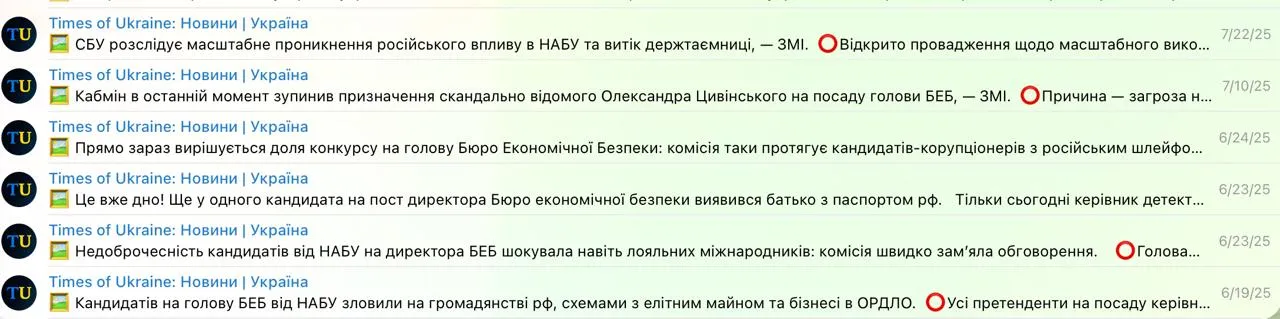
Following the opening of the criminal proceedings, the rhetoric of these Telegram channels regarding Tsyvinskyi has also changed: as recently as the end of last year, they were circulating posts about his father’s Russian citizenship and accusing the official of working for hostile intelligence services, whereas now all the content has an exclusively positive tone.
Meanwhile, MP Yaroslav Zheleznyak has already announced a new appeal to the Bureau. This time, it concerns the activities of so-called fortune-tellers and bloggers who sell esoteric services and evade paying taxes.
As previously reported by ThePublic, the Economic Security Bureau of Ukraine was unable to explain how it selects the companies with which it enters into the ‘tax compromise’ introduced by Tsivinsky, or what criteria it uses when exempting offenders from criminal liability.