Global crisis: IMF and World Bank warn of soaring prices


This was announced in a joint statement by the IMF, the G20 and the UN World Food Programme (Washington)
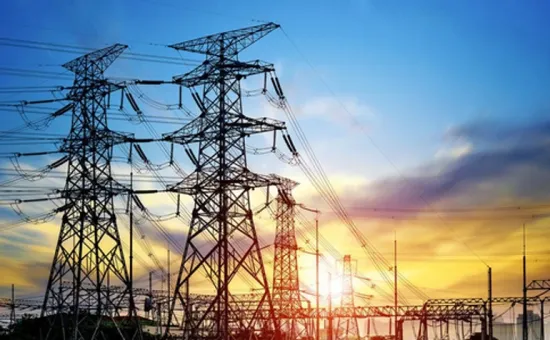
In Washington, leaders of the world’s leading financial and humanitarian institutions assessed the initial consequences of the conflict in the Middle East. A sharp rise in energy prices has already destabilised supply chains. Due to transport disruptions and a shortage of fertiliser, the world faces the threat of widespread famine in the most vulnerable regions.
Who will suffer the most?
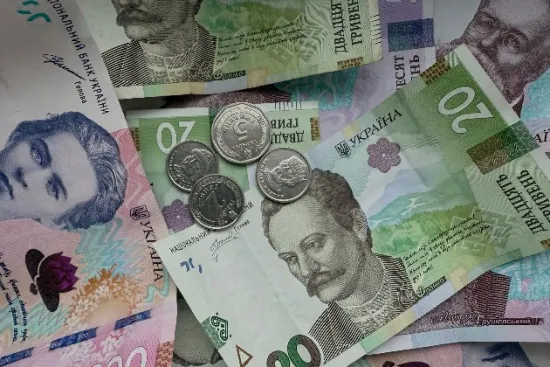
The brunt of the crisis will fall on low-income countries that are critically dependent on imports. Limited budgets and high debt burdens will prevent the governments of these states from effectively protecting their citizens from the inflationary shock.
Action plan by international institutions
The IMF, the World Bank and the UN WFP have announced that they will coordinate all available instruments to:
-
Support vulnerable households in crisis-hit areas.
-
Preserving the foundations of financial stability and monetary cooperation.
-
Laying the foundations for the further recovery of economies and the labour market.
The situation remains critical, and international institutions have pledged to monitor events on a daily basis in order to respond promptly to new challenges to global security.