How is the role of foreign volunteers in the Ukrainian Defence Forces changing?

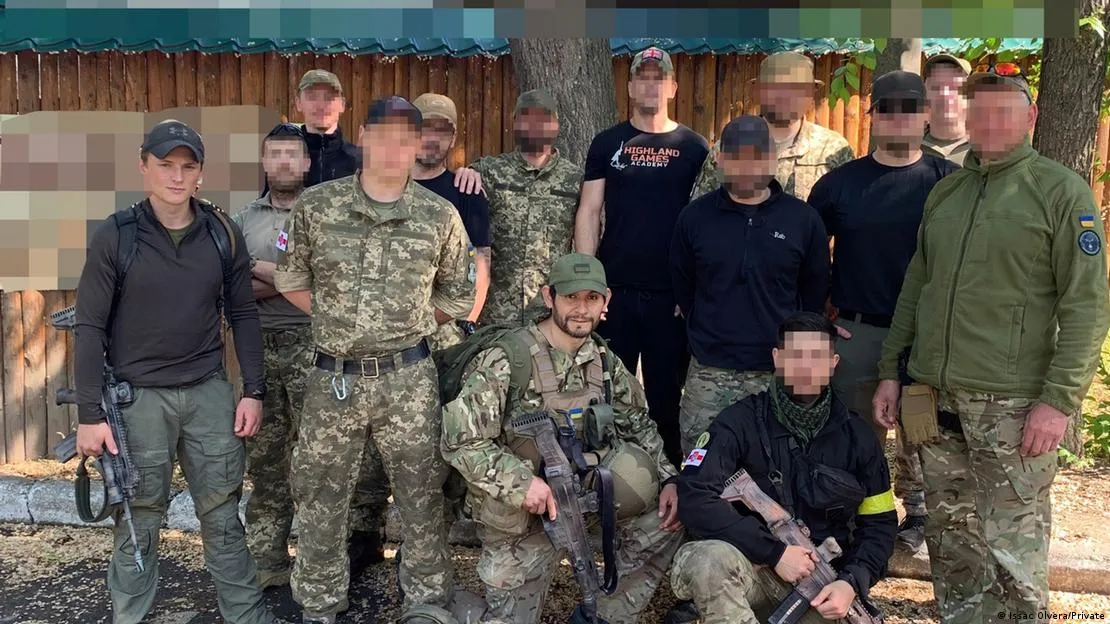
President Volodymyr Zelenskyy called on foreigners to join the defence of Ukraine right at the start of the full-scale war. The International Territorial Defence Legion was soon established. At the time, the authorities in Kyiv reported over 20,000 volunteers; however, according to DW’s sources within the military, it is only now that this figure has actually been approached.
Foreigners currently serve in dozens of brigades and battalions, but make up only up to two per cent of the Defence Forces. Expanding their involvement in combat operations is seen as one element of a future strategy to tackle the problems of insufficient mobilisation and desertion, which is being prepared by Defence Minister Mykhailo Fedorov.
The early years of foreign service were fraught with serious difficulties. Some volunteers lacked proper military experience, training and coordination were poor, and in certain units scandals arose over casualties, discipline, service conditions and non-payment of compensation. The situation was particularly problematic for Belarusian and Russian volunteers, who, upon termination of their contracts, effectively lost their legal grounds for staying in Ukraine.
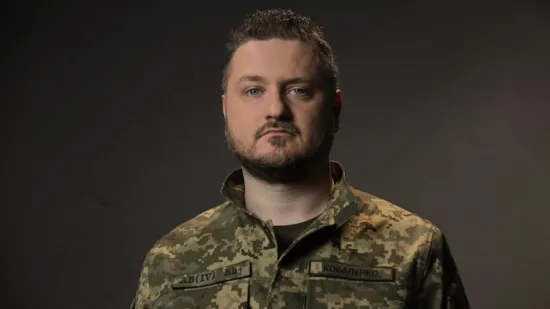
Over time, it became clear that there was a significant exodus among foreign nationals. According to Konstantin Milevsky, a representative of the Army, in the early years there were plenty of so-called ‘military tourists’ who could sign a contract quickly and terminate it just as quickly. In May 2024, the Verkhovna Rada amended the terms of service, and since then foreigners have been able to terminate their contracts only after six months of service. The command, in turn, gained the right to discharge a soldier after a two-month probationary period.
Today, the largest proportion of foreigners in the army are citizens of South and Central American countries, primarily Colombia. According to Milevsky, they make up around 60 per cent of all foreigners in the Army. They are valued for their diligence, but the language barrier, the specific nature of their previous combat experience and limited career prospects remain a problem. Most of them do not stay in Ukraine for long and usually terminate their contracts after 6–9 months.
In 2024, various brigades, the Marine Corps, the Airborne Assault Forces and the National Guard began forming their own international units. In March 2025, the government established a Single Centre for the Recruitment of Foreigners, which now centrally recruits fighters for 35 brigades and separate battalions.
In February 2026, President Volodymyr Zelenskyy signed a law on social guarantees for foreign fighters. From May this year, volunteers who are discharged from service will be able to obtain a six-month residence permit. The Ministry of Defence is not commenting on further plans regarding foreign legions until the official presentation of the new strategy.