Iran may allow Indian tankers to pass through the Strait of Hormuz

Iran may allow tankers flying the Indian flag to pass through the Strait of Hormuz. This was reported on 12 March by a source in the Indian government.
At the same time, an Iranian source outside the country denied that such an agreement had been reached.
The Strait of Hormuz is an important route for energy supplies to India. About 40 per cent of crude oil imports to this country pass through it.
Indian Foreign Ministry spokesman Randhir Jaiswal said during a weekly briefing that the foreign ministers of the two countries had held three telephone conversations in recent days. The last conversation this week concerned the safety of shipping and India's energy security.
"Beyond that, it would be premature for me to say anything," he said.
An Indian source familiar with the situation said Iran had given assurances about the safe passage of Indian-flagged vessels after a telephone conversation between the foreign ministers of the two countries on Tuesday.
According to the source, the situation remains unstable and there is still no complete clarity on how the relevant instructions are being communicated between the different levels of authority in Iran.
Following talks between Indian Foreign Minister Subrahmanyam Jaishankar and his Iranian counterpart Seyed Abbas Araghchi, the Iranian Foreign Ministry said that the United States was responsible for the dangerous situation in the Persian Gulf.
The statement made no mention of any agreement on the safe passage of Indian ships.
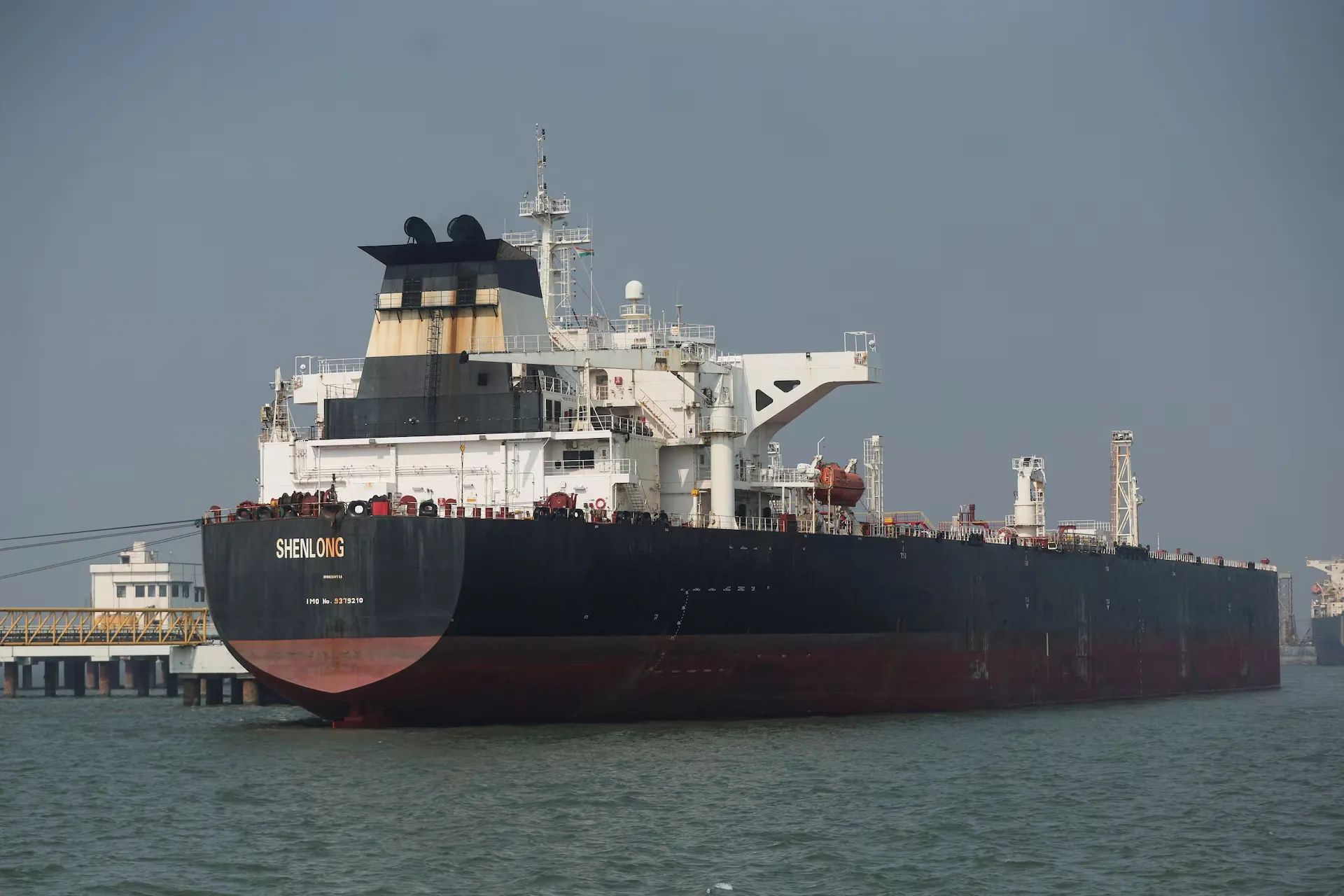
On 12 March, the Suezmax-class tanker Shenlong arrived at the port of Mumbai with Saudi oil on board. According to LSEG, the Liberian-flagged vessel was the first crude oil tanker to arrive in India from the Middle East since the war between Iran and the United States and Israel began in late February.
The cargo was ordered by the state-owned Bharat Petroleum Corp.
According to an Indian source, two more foreign-flagged tankers, likely bound for India, also recently passed through the Strait of Hormuz.
India has reported that 28 ships flying its flag are located west and east of the strait. There are 778 Indian sailors on board.
India's Ministry of Petroleum said that the authorities, shipowners and recruitment agencies are coordinating with Indian embassies and local authorities to ensure the safety of the sailors.
India has also provided refuge to 183 Iranian sailors from a ship that entered port after the start of the war between Iran, the United States and Israel.
New Delhi allowed three Iranian ships that had set sail after naval exercises in the Bay of Bengal to enter its ports. One of these ships was later sunk by an American submarine in international waters, while another sought help from Sri Lanka.
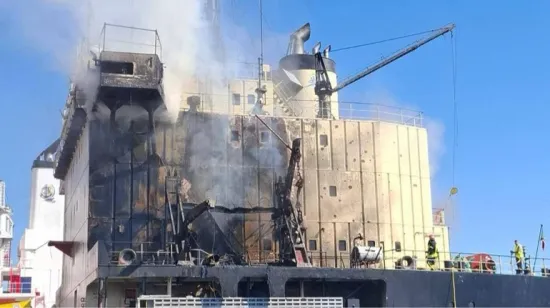
According to sources, Iran has attacked at least 16 ships in the Strait of Hormuz since the war began in late February.
Tehran warned that oil prices could almost double and reach $200 per barrel.
The day before, a Thai ship heading for the Indian port of Kandla was attacked in the Strait of Hormuz. India subsequently issued a statement of criticism.
"India is deeply concerned that civilian shipping is being targeted in the current conflict," the Indian Ministry of Foreign Affairs said. According to the ministry, Indian citizens were also killed in these attacks.
The almost complete blockade of the Strait of Hormuz forced India to look for alternative sources of oil supplies, in particular to increase purchases from Russia.