The EU calls on Ukraine to allow inspection of the damaged Druzhba oil pipeline

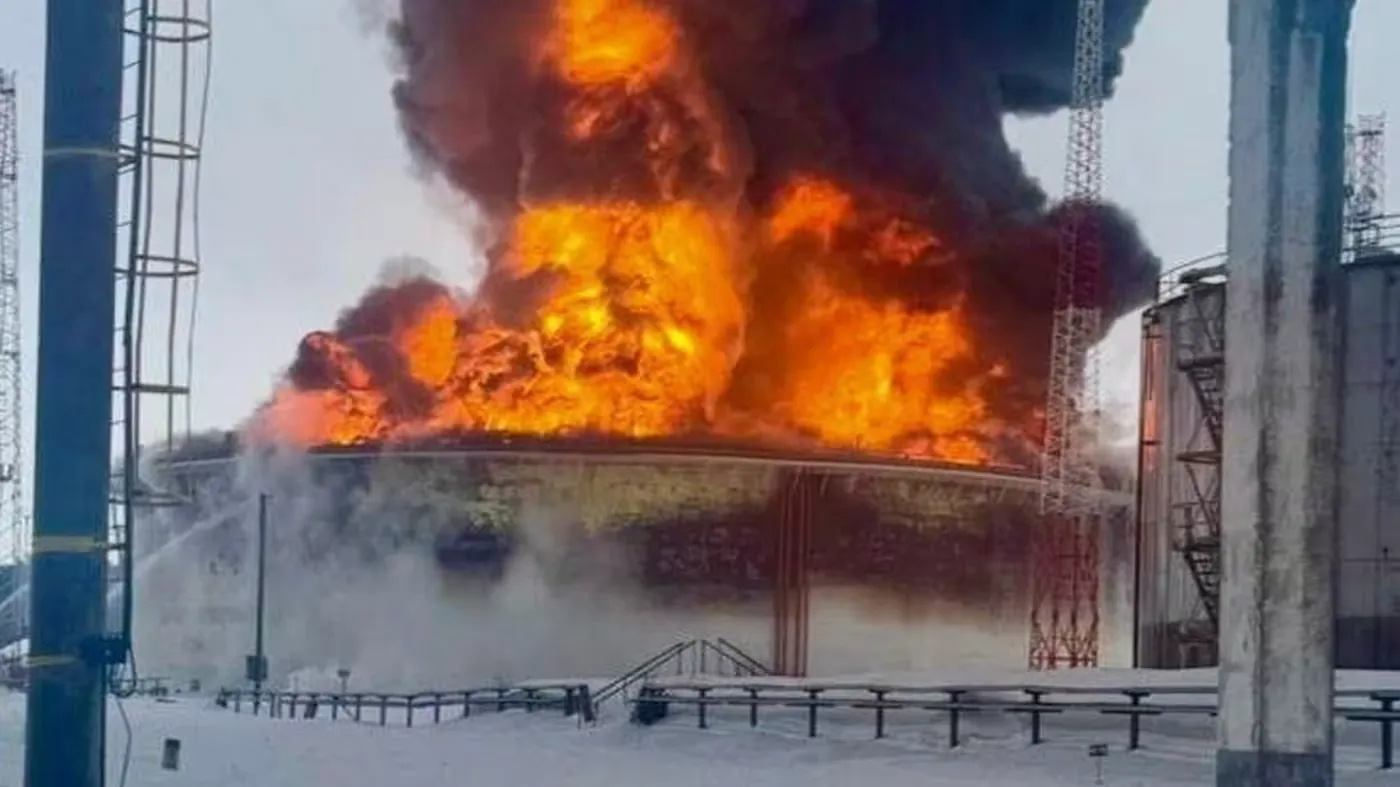
Ukraine is under pressure from the European Union to grant access to the damaged Druzhba oil pipeline, which transports Russian oil to Hungary and Slovakia. Both countries accuse Kyiv of exaggerating the consequences of Russia's attack in January, while Ukrainian officials claim that the damage is significant. This was reported by The Public, citing the Financial Times.
The Ukrainian side reports that the pipeline needs time to repair and has provided evidence of damage after the Russian air strike. At the same time, Hungary and Slovakia claim that Ukraine deliberately stopped transporting oil.
Hungary is delaying the approval of a European Union loan to Ukraine until the oil pipeline is restored and has proposed, together with Slovakia, to send a fact-finding mission to Ukraine.
According to five diplomats and EU officials, some European Union governments that support Ukraine, as well as the European Commission, have also called on Kyiv to allow the inspection. The purpose of the visit is to confirm that Ukraine is trying to resume oil supplies.
Two diplomats said that European Commission President Ursula von der Leyen and European Council President António Costa, during their visit to Kyiv on the fourth anniversary of Russia's full-scale invasion, asked the Ukrainian leadership to grant access to the Druzhba oil pipeline for an independent assessment of the damage. Access was denied.
The dispute intensified after energy prices rose due to US and Israeli military action against Iran, which affected global oil and gas supplies. Tensions also escalated due to Kyiv's refusal to allow European inspectors access.
Naftogaz CEO Serhiy Koretsky said the Russian strike caused a fire in a 75,000 cubic metre oil tank, which took ten days to extinguish.
"Numerous pieces of equipment, power cables, transformers and the leak detection system responsible for the tightness of the pipeline were damaged," he said.
According to Koretsky, the air strike caused a fire in Europe's largest oil tank, which is the size of a football field. Due to the scale of the destruction, a full assessment of the damage will take time.
After the attack, the state-owned company UkrTransNafta reported that emergency repair work was underway. The company also noted that constant Russian strikes were complicating the safe execution of the work.
A Ukrainian official noted that restoring oil transportation requires sending repair crews to potentially dangerous areas and using limited resources.
"Why should we repair a pipeline during a war and without a ceasefire that supplies oil from Russia to its allies?" the official said.
Hungarian Prime Minister Viktor Orbán has postponed approval of the European Union's €90 billion aid package for Ukraine. This comes amid his increased criticism of Ukraine ahead of the elections.
Ukrainian President Volodymyr Zelensky said that Orban is using this issue in his election campaign.
"You are now blocking €90 billion. This is money we need for weapons and for survival," Zelensky said.
The European Union's ambassador to Ukraine, Katarina Mathernova, asked the president's office to allow an inspection of the damaged oil pipeline or to send other diplomats. According to two people familiar with the situation, the request was rejected for security reasons.
Orbán said he had satellite data showing that the damage to the Druzhba pipeline was not critical to its operation. He also said he would maintain "countermeasures" until Ukraine resumed oil transportation.
Satellite images reviewed by the Financial Times confirm damage to the facility after the Russian air strike, but do not allow for an assessment of the extent of the damage.
Slovak Prime Minister Robert Fico said that a proposal to send a joint mission to assess the extent of the damage had been rejected.
A Ukrainian official said that Volodymyr Zelensky invited Fico to discuss the situation directly in Kyiv, but the invitation was rejected.