The EU is accused of financing Russia's war by importing Russian LNG
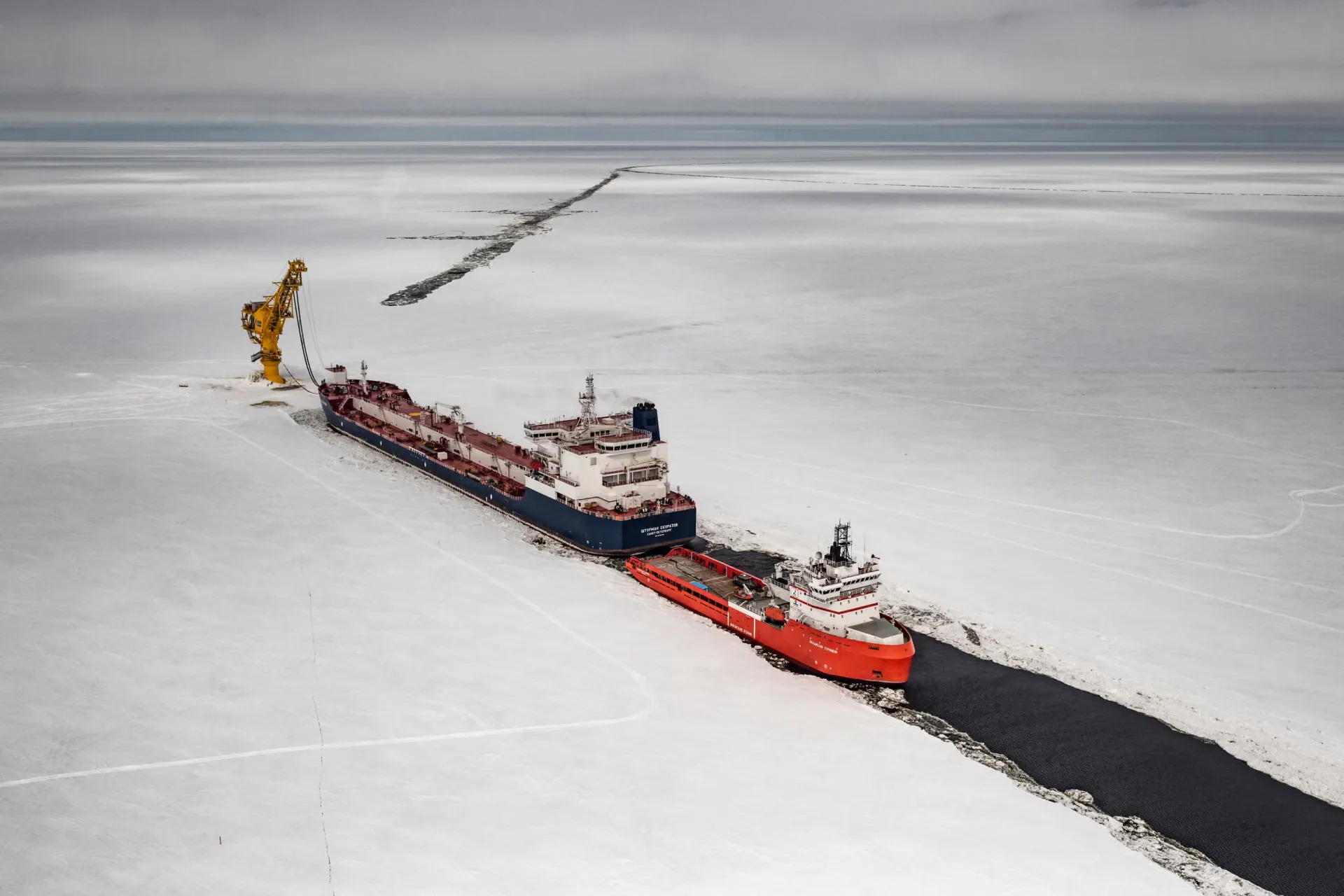
European governments have faced new accusations of indirectly financing Russia's war against Ukraine after the publication of data on a sharp increase in imports of Russian liquefied natural gas to the EU. According to the human rights organisation Urgewald, in 2025 Russia earned about 7.2 billion euros from LNG exports to the European Union, The Guardian reports.
Despite the European Union's stated intention to completely ban Russian LNG imports by 2027, supplies from the Yamal LNG complex have not only not decreased, but have increased. Over 15 million tonnes of Yamal LNG were delivered to European ports last year. The EU's share in global supplies of this project increased to 76.1%, while in 2024 it was 75.4%.
Analysts note that although Europe has significantly reduced purchases of pipeline gas from Russia after the full-scale invasion, LNG imports remain legal. The countries of Central and Eastern Europe remain particularly dependent on it, which restrains political decisions on an immediate ban.
European shipping companies play a key role in logistics. According to Urgewald, the UK's Seapeak accounted for 37.3% of Yamal LNG shipments, with Greece's Dynagas accounting for another 34.3%. Eleven of the fourteen specialised Arc7 icebreaking tankers belong to these companies. The UK has already announced its intention to ban the provision of maritime services to vessels carrying Russian LNG in 2026.
The Yamal project is critically dependent on access to EU ports, in particular Belgium's Zeebrugge and France's Dunkirk and Mont Ventoux de Bretagne. In 2025, 58 ships with 4.2 million tonnes of LNG arrived at the Belgian terminal, while 51 ships with 3.6 million tonnes arrived in China during the same period. France became the largest importer, taking in 6.3 million tonnes of LNG, with energy giant TotalEnergies remaining one of the key investors in the Yamal project.
The Urgewald emphasises that each batch of gas unloaded in European ports actually replenishes the Russian military budget and continues the war against Ukraine. Human rights activists call on Brussels to immediately close the so-called Yamal loophole and stop using EU infrastructure to support Russian energy exports.
Photo: The Guardian.