Europe compensated for the cessation of US aid and became Ukraine's main donor

In 2025, European Union institutions and individual European states effectively compensated for the cessation of military and economic aid to Ukraine from the United States. This is stated in an analytical report by the Kiel Institute for the World Economy (IfW), prepared in collaboration with the Ukraine Support Tracker project, which tracks the volume of international support for Ukraine, according to DW.
According to the study, military aid from European countries increased by 67 per cent in 2025 compared to the average for 2022-2024. Financial and humanitarian support increased by 59 per cent. All calculations are adjusted for inflation.
At the same time, due to the suspension of military aid from the United States, the total amount of military support for Ukraine in 2025 was 13 per cent lower than the average for the previous three years. The total amount of financial and humanitarian aid decreased by about five per cent, which analysts called a relatively insignificant decline.
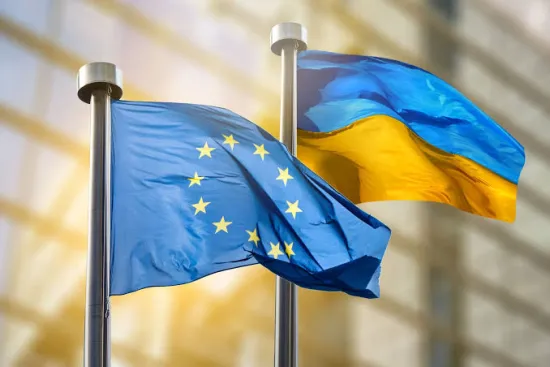
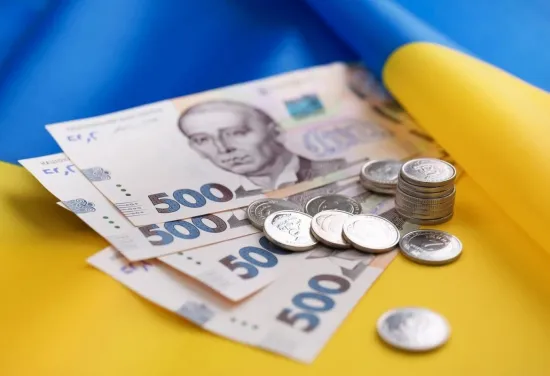
One of the main trends was the centralisation of funding through EU structures. While in 2022 about half of the financial and humanitarian aid went through EU mechanisms, in 2025 this share reached almost 90 per cent, or €35.1 billion. At the end of 2025, a new loan for Ukraine in the amount of €90 billion was also agreed.
Christoph Trebesh, head of the Ukraine Support Tracker project, noted that Ukraine's growing needs are being met through loans and grants at the EU level. This model allows the financial burden to be distributed among countries according to their share of GDP.
In the area of military aid, the format remains predominantly bilateral. In 2025, 62 per cent of all European military support came from Western European countries, with Germany and the United Kingdom being the largest donors. Northern Europe's share rose from 18 per cent in 2022 to 36 per cent in 2023 and remained high thereafter. At the same time, the contribution of Eastern European countries fell from 17 per cent in 2022 to two per cent in 2025, and that of Southern Europe from seven to three per cent.
According to Trebesh, the growth in military aid in 2025 is accompanied by an increase in imbalance, as an increasing burden is being borne by only a few states. Northern European countries provided about one-third of all European military aid, although their share of the GDP of the 31 donor countries is only 8 per cent. Western Europe's share roughly corresponds to its economic weight, while Southern Europe, with 19 per cent of GDP, remains a relatively small donor.
Thus, in 2025, Europe not only made up for the loss of American support, but also structurally changed the model of aid to Ukraine, with an emphasis on centralised funding through the EU and the growing role of individual countries in the military sphere.