Europe considers alternatives to NATO amid changes in US policy

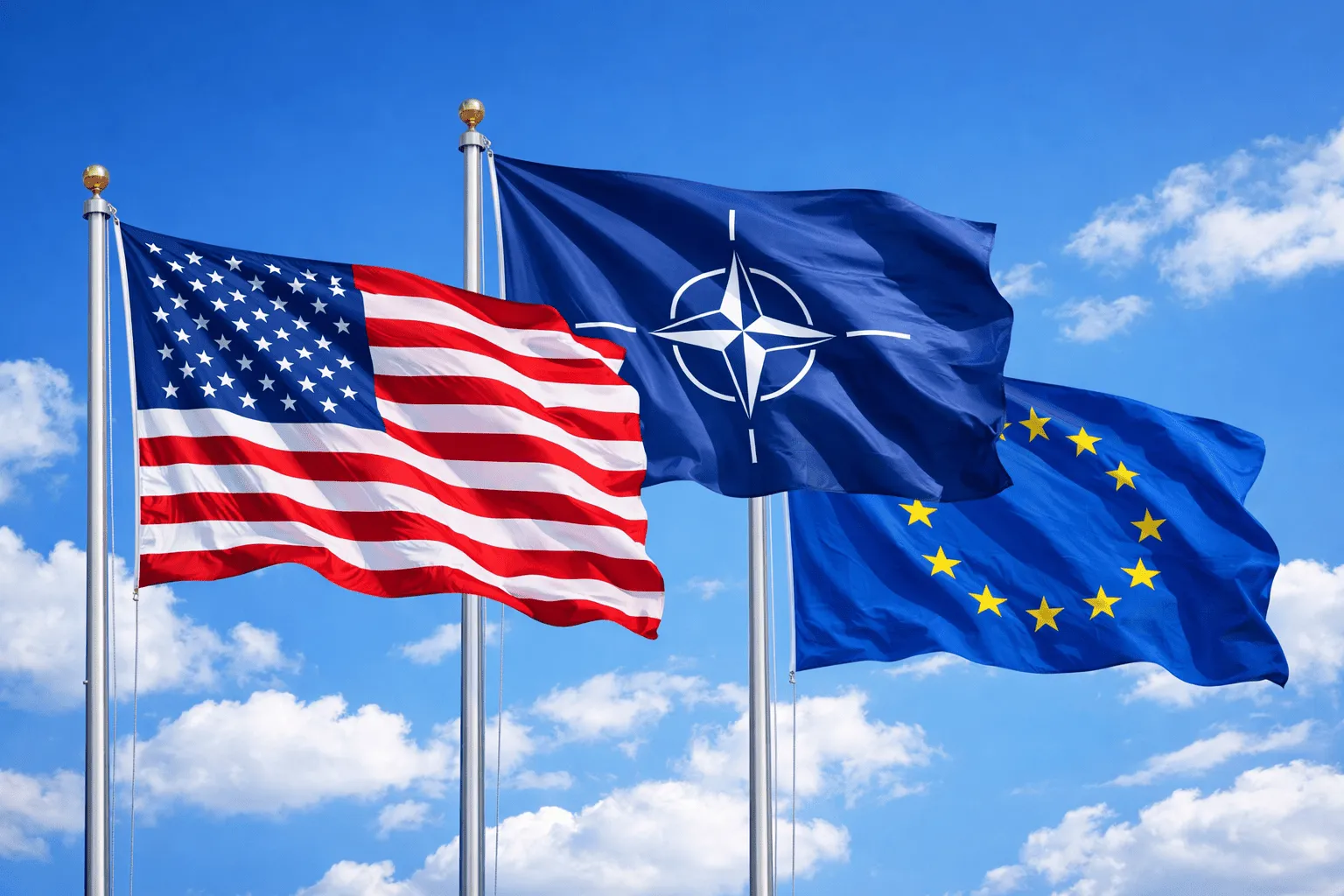
European countries are increasingly discussing the possibility of creating their own defence alliance as an alternative to NATO due to the change in the US approach to security issues. This was reported by Politico, noting that the unstable and controversial policies of US President Donald Trump's administration have undermined the confidence of some European allies in traditional collective defence guarantees.
Concerns in Europe have been heightened by Trump's statements about his willingness to resume contacts with Russian President Vladimir Putin and reach agreements on the war in Ukraine without the participation of European states and, possibly, without the involvement of Kyiv. In addition, the American president has repeatedly criticised the level of defence spending by European countries and publicly questioned the long-term effectiveness of the North Atlantic Alliance.
According to Politico, national security advisers from approximately 35 countries maintain constant contact, both through online meetings and informal channels of communication. This circle has developed a high level of trust and a habit of coordinating actions in situations where Washington's decisions create additional risks for European security. Leaders of major European countries, including British Prime Minister Keir Starmer, French President Emmanuel Macron, European Commission President Ursula von der Leyen, German Chancellor Friedrich Merz, Finnish President Alexander Stubb, and Italian Prime Minister Giorgia Meloni regularly exchange messages and coordinate positions, particularly in closed group chats.
At the same time, according to journalists, the US is pressuring its partners to increase purchases of American weapons and ammunition, as well as to deepen cooperation in the energy sector. Representatives of Trump's team have unofficially signalled that European countries could avoid increasing defence spending to 5% of gross domestic product if they increase military integration with the US and investments in American companies.
Against this backdrop, calls for greater defence autonomy are becoming increasingly vocal in the European Union. In particular, European Commissioner for Defence Andrius Kubilius has stated the need to consider creating a permanent EU armed force of up to 100,000 troops. And Spanish Foreign Minister José Manuel Albares has publicly advocated for the formation of a European army and the complete independence of the Union's defence industry from so-called third parties.
Europe, NATO, Politico, defence alliance, security, United States, Donald Trump, Greenland