The head of the Uzhhorod Territorial Control Centre has been convicted for obstructing an inspection

This was officially announced by Ombudsman Dmytro Lubinets, who emphasised that this decision sends a clear signal to all regions.
A systemic problem and the case of Zakarpattia
According to Dmytro Lubinets, instances of obstructing the work of his representatives during monitoring visits have become systemic. Regional delegations from the Ombudsman’s Office are often denied access to premises, not provided with the necessary information, or have their visits physically blocked. Most frequently, such incidents occur precisely at territorial recruitment and social support centres.
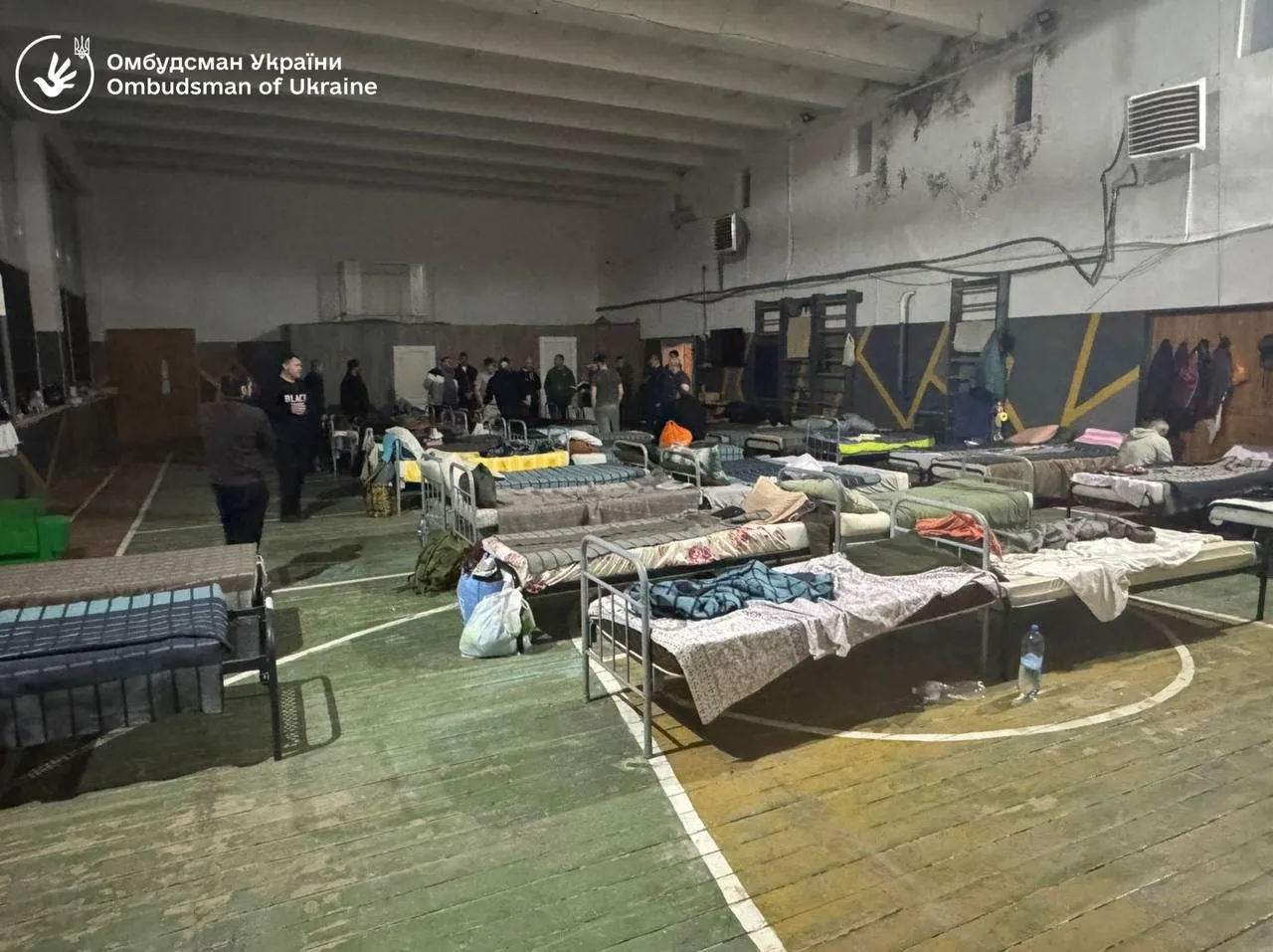
Transcarpathia has become the most telling example of resistance to parliamentary oversight. As the Commissioner noted, attempts to restrict access and conceal information at the Uzhhorod Regional Recruitment and Social Support Centre were used to cover up flagrant human rights violations. In particular, during the inspection, facts were recorded that may indicate the unlawful detention of citizens and the use of metal handcuffs.
Legal assessment and court ruling
The Uzhhorod City and District Court examined the case materials in detail and sided with the Ombudsman’s Office. The head of the Uzhhorod Regional Centre for Temporary Accommodation and Social Services was officially found guilty of obstructing the activities of the Ombudsman’s representative. This is the first case in Ukrainian judicial practice where an official of a temporary accommodation centre has been held liable specifically for restricting the Ombudsman’s mandate.
In addition to the court ruling, Dmytro Lubinets highlighted the following important aspects:
-
Signs of inhuman treatment: Materials regarding the recorded violations within the TCC have already been forwarded to law enforcement agencies for further investigation.
-
Personal oversight: The Ombudsman has pledged to monitor every instance of his representatives being denied access in any region of Ukraine.
-
Equality before the law: The court’s decision proves that parliamentary oversight is mandatory for all state bodies without exception.
Conclusions for the future
Dmytro Lubinets emphasised that obstructing the activities of his office is, first and foremost, about a specific individual whose rights remain unprotected due to the actions of officials. The legal precedent in Uzhhorod should put an end to the TCC’s attempts to operate in a ‘closed mode’ outside the legal framework. The Commissioner assured that every such situation will henceforth receive a prompt legal assessment and be brought before a court.
Follow us on Telegram