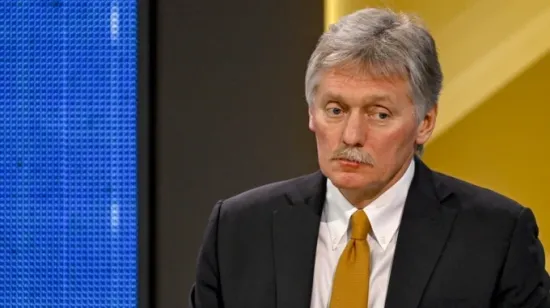
The Kremlin is trying to show economic strength and is preparing to put informational pressure on Ukraine.

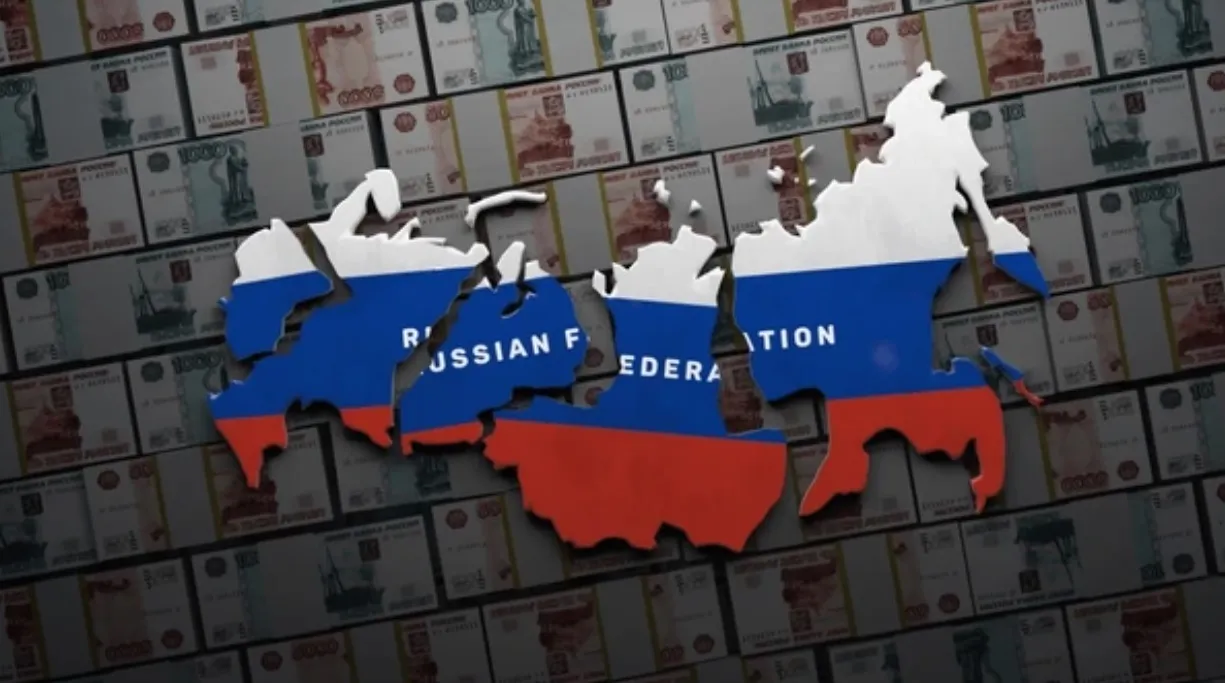
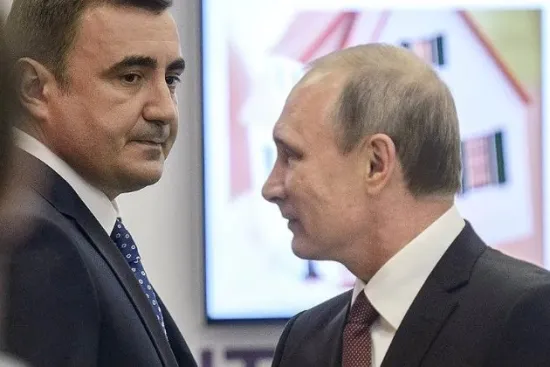
Russian dictator Vladimir Putin said in a speech on 8 December that the Russian economy is capable of sustaining a long war. He spoke of GDP growth, low unemployment and plans to increase the birth rate. The Kremlin presents this as proof of the country's resilience despite sanctions.
The Russian president claims that demographic indicators are improving, especially in the occupied territories of Kherson and Zaporizhzhia, where pro-Russian policies are being imposed. According to the The Public, this is stated in the report of the Institute for the Study of War.
However, in practice, economic indicators are significantly worse than the Kremlin shows. Such statements coincide with Moscow's political contacts with the United States and are aimed at convincing the West of the ineffectiveness of sanctions and the impossibility of forcing Putin to make concessions. The Kremlin is trying to combine economic messages with the narrative of the inevitability of Russian victory in order to put pressure on Ukraine and its allies during negotiations.
Official representatives of the Russian Federation openly demonstrate their unwillingness to compromise. Deputy Chairman of the State Duma Defence Committee Alexei Zhuravlev said that Russia does not care who signs the ‘surrender,’ as long as the terms satisfy Moscow. The Kremlin has again voiced its demand for negotiations with the US rather than Ukraine and called for them to be conducted ‘in silence’ without publicity.
"Putin also conspicuously avoids discussing the ongoing war in Ukraine in his speeches about the Russian economy, presumably to hide the link between Russia's losses on the battlefield and its economic problems. The Kremlin seems to be trying to combine its statements about the Russian economy with a false narrative that Russia's victory on the battlefield is inevitable. This is intended to force the West and Ukraine to capitulate to Russia's demands now, fearing an intensification and prolongation of Russian military operations in the future," analysts believe.
Ukraine warns that Russian special services are preparing provocations. Ombudsman Dmytro Lubinets said that Russia plans to organise pseudo-protests in large cities with the participation of women and relatives of military prisoners to put pressure on the state leadership.
Such measures portray the Ukrainian government as illegitimate and are intended to reinforce Russian propaganda during the negotiations.
Analysts emphasise that despite the Kremlin's attempts to create an image of an all-powerful state, weaknesses on the front lines and in the economy give the West and Ukraine room to exert pressure and that a Russian victory is not inevitable.