Latvian intelligence has warned that Russia is preparing hybrid attacks on NATO’s eastern flank

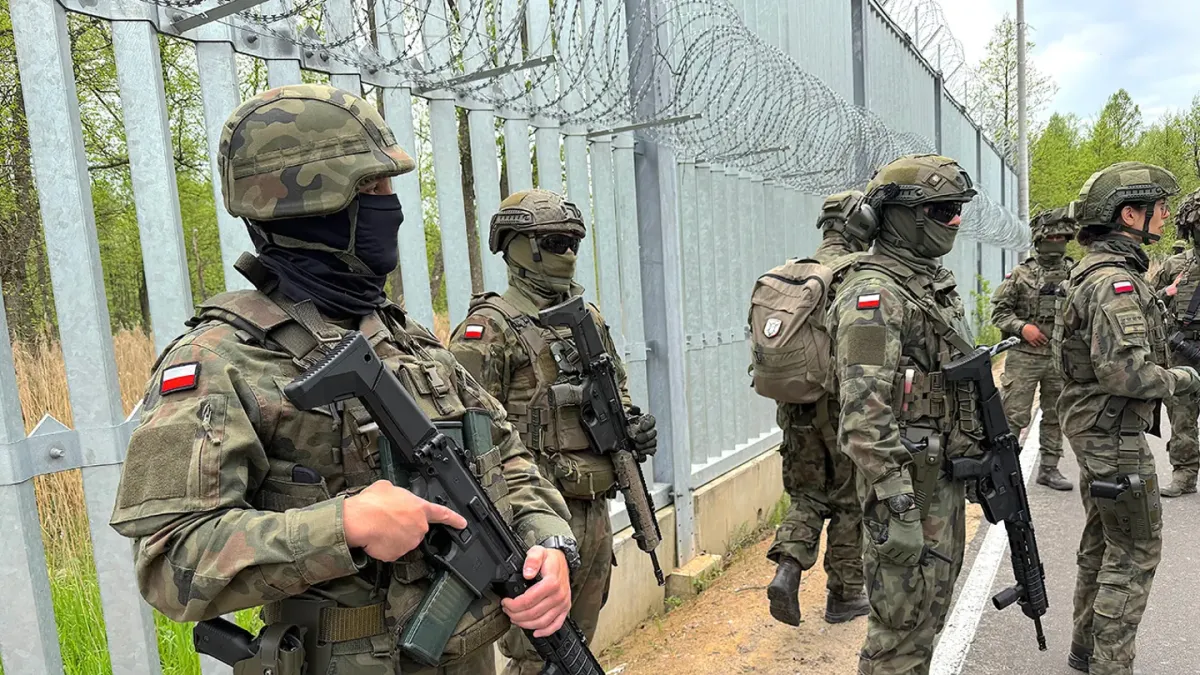
Latvian intelligence has warned of signs that Russia is preparing possible provocations against the Baltic states or Poland. According to the assessment of the security services, Moscow is not currently ready for a full-scale war with NATO, but may resort to hybrid attacks, Fox News reports.
Latvian intelligence notes that this could involve potential strikes using drones or missiles, or other actions aimed at increasing pressure on NATO member states. The aim of such moves may be to force the allies to reduce their support for Ukraine.
The main concern, according to the Latvian side, relates not so much to Russia’s readiness for direct military conflict as to the risk of misguided decisions due to a distorted perception of the situation among the Russian leadership.
Intelligence sources believe that Russian institutions are presenting Vladimir Putin with information in the form he wants to hear. In their view, this creates a dangerous cycle that could lead to erroneous and ill-considered decisions.
The Baltic states and Poland are members of NATO, so any Russian provocation on their territory could quickly test the effectiveness of allied commitments and create the risk of a wider confrontation.
Latvian intelligence has also noted that Western sanctions are having a real impact on Russia, despite Moscow’s public claims to the contrary.
According to the assessment of the security services, the pressure from sanctions is limiting Russia’s financial resources, reducing its capacity for military spending and forcing the authorities to make difficult decisions regarding mobilisation resources, defence expenditure and pressure on businesses.
Separately, a report by the Latvian Constitution Protection Bureau discusses Russia’s intensification of so-called ‘lawfare’ tactics, which involve the use of courts, legal claims and international institutions to exert pressure on Western countries.
The document notes that Russia is studying Iran’s experience in challenging Western sanctions through international legal mechanisms. In particular, it analyses Iran’s 2016 case against the US at the International Court of Justice.
Latvia has also stated that Russia has prepared a complaint to the International Court of Justice against the Baltic states, accusing them of discriminating against Russians and the Russian-speaking population.
According to Latvian intelligence, this legal campaign is aimed not only at court proceedings but also at shaping a narrative that could be used in the future as a pretext for further pressure or hybrid operations.
The security service emphasised that there is currently no direct military threat to Latvia. At the same time, it is precisely the possibility of provocations – in particular involving the use of drones, missiles and other hybrid tools – that is causing the greatest concern.
According to Latvian assessments, even if the war in Ukraine were to end today, it would take Russia between three and five years to rebuild sufficient military capability.