Wholesale petrol prices in Russia have exceeded 100 roubles per litre amid a fuel shortage

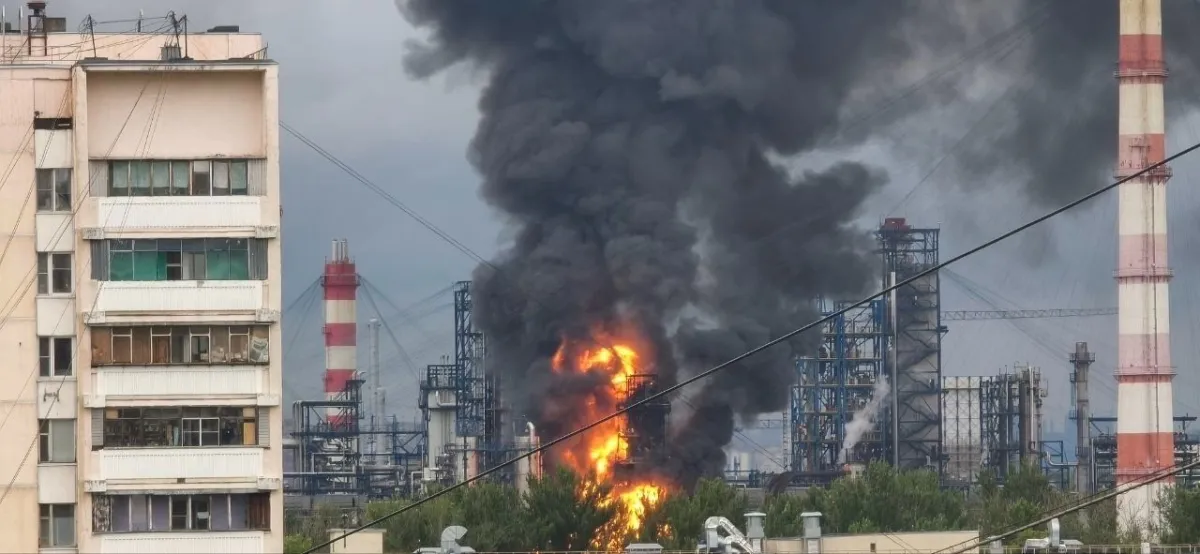
The crisis in Russia’s fuel market continues to worsen following a series of attacks on oil refineries, which have caused petrol production to fall by around 25 per cent.
According to Reuters, citing traders, due to the growing shortage, actual wholesale prices for petrol and diesel at oil depots have reached record highs and are 80–90 per cent higher than the quotations on the St Petersburg Commodity and Raw Materials Exchange.
In the European part of Russia, petrol is being sold for 130–140 thousand roubles per tonne. Meanwhile, official exchange prices stand at 70.6 thousand roubles per tonne for Ai-92 and 75.6 thousand roubles per tonne for Ai-95.
In the small-scale wholesale segment, as of Monday, prices had reached 95–105 roubles per litre for petrol and 115 roubles per litre for diesel. This is almost one and a half times higher than the average retail prices at petrol stations. According to Rosstat, as of 15 June, A-92 petrol cost 65.41 roubles per litre, and A-95 cost 71.11 roubles.
Sources speaking to Reuters note that following strikes on refineries in Moscow, Nizhnekamsk, Tyumen and Volgograd, fuel production is lagging behind consumption by around 20 per cent.
Even fuel purchased on the exchange does not always reach petrol stations on time. According to traders, shipment delays have been increasing since the start of the year and now stand at 2–3 months. To have petrol delivered in at least a month’s time, one has to pay an extra 20–30 thousand roubles, after which delivery may be delayed by a further two weeks or so.
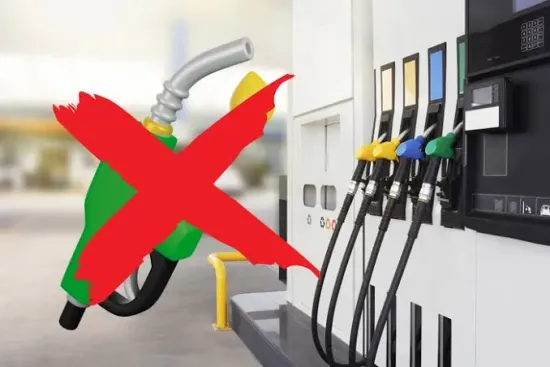
Oil companies have either drastically reduced or completely halted small-scale wholesale sales of petrol in order to supply their own petrol station networks, which are facing rising demand.
To stabilise the situation, the government has already allowed oil refineries to lower the quality of petrol. Fuel purchases from Belarus and maritime imports from Asia have also begun.
Serhiy Vakulenko, a senior research fellow at the Carnegie Berlin Centre for Russia and Eurasia, believes that the situation on the fuel market has reached a critical point.
According to him, one possible scenario for the government could be to abolish the price cap mechanism, which keeps retail petrol prices at a level 20–30 roubles per litre below the potential market price.
An alternative could be administrative restrictions, such as via QR codes or the Max messaging app, or informal regulation through queues at petrol stations.
“From a political point of view, scrapping the price cap could prove extremely unpopular. But it seems the authorities have run out of easy solutions in the current situation,” the expert noted.