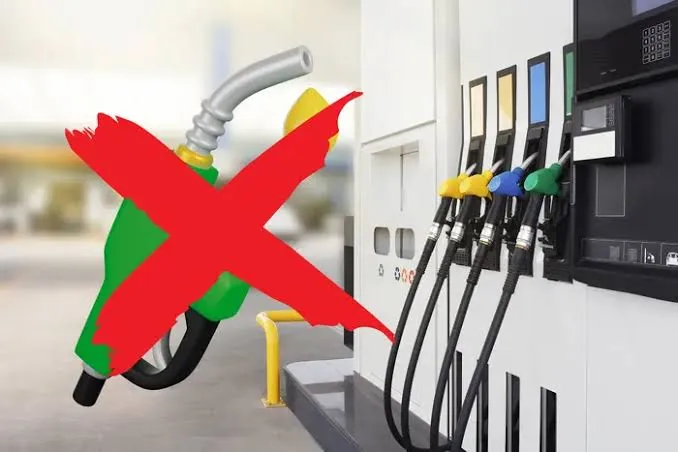
More than 50 regions in Russia have fuel rationing in place, and the online sale of petrol is banned

This is reported by the Russian publications Bell and *Kommersant*.
From 23 June, restrictions will be introduced in the Voronezh region. A maximum of 30 litres of petrol and 60 litres of diesel may be purchased per visit; on motorways, the limits are 60 litres of petrol and 200 litres of diesel.
In the Saratov region, from 23 June, it will be prohibited to sell more than 30 litres of petrol per vehicle. In the Omsk region, a limit of 40 litres of petrol and 80 litres of diesel will be introduced.
In addition, similar restrictions have been reported in the Amur, Tambov, Lipetsk, Tula, Tver and Vladimir regions.
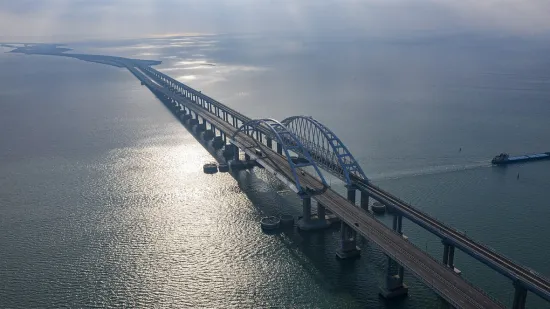
A limit of 50 litres is also in place in occupied Crimea and in the occupied territories of the Zaporizhzhia, Kherson, Donetsk and Luhansk regions of Ukraine.
According to estimates by the publication Bell, fuel shortages were being observed in 53 regions of the Russian Federation as of mid-June. So far, there are no restrictions on fuel quantities in 11 regions of the Russian Federation.
Furthermore, Russia has begun banning the resale of petrol on popular marketplace websites such as Avito, Ozon and Wildberries. The Federal Antimonopoly Service has announced that it is blocking such online advertisements.
The fuel crisis in Russia: what we know
As a reminder, against the backdrop of regular drone attacks on Russian oil refineries, Moscow has banned petrol exports for all market participants until 31 July. Exports of aviation fuel are also restricted until 30 November.
Despite this, fuel shortages have arisen at petrol stations in some regions. In occupied Crimea, the free sale of petrol was suspended in early June, whilst in the Krasnodar Krai of the Russian Federation, fuel sales have been temporarily suspended at 15 petrol stations. Temporary limits have also been introduced at certain petrol stations in Tatarstan.
According to Rosmedia, the Russian government has allowed some oil refineries to produce lower-quality petrol and diesel for the domestic market — labelled as ‘Euro 5’ but meeting only ‘Euro 3’ standards.
Follow us on Telegram