Medicines sold outside pharmacies: 12 companies have already been granted licences
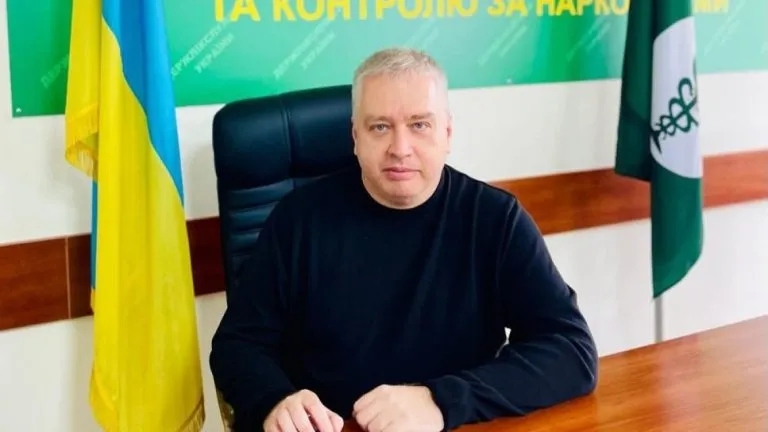
The State Service of Ukraine on Medicines and Drugs Control has clarified the conditions for selling medicines at petrol stations, and amendments to the licensing conditions have been approved by government resolutions.
In Ukraine, 12 licence holders have already been granted the right to sell medicines outside pharmacies. In total, this involves 273 outlets across 19 regions.
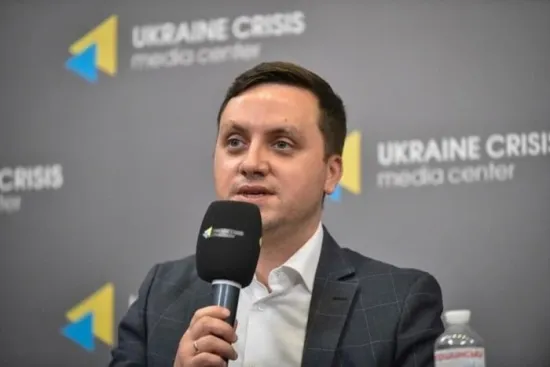
According to Andriy Dolgovskyi, a representative of the State Service of Ukraine on Medicines and Drugs Control, a new segment of the pharmaceutical market is effectively taking shape in Ukraine. The SOCAR petrol station network has become the twelfth licensee.
Among the companies that have already received licences are OKKO, UPG, BRSM, KLO and Ukrnafta. According to Ekonomichna Pravda, Ukrnafta operates through four business entities and has licensed outlets at 93 of its petrol stations.
Where the sale of medicines has already been permitted
According to the State Service of Ukraine on Medicines and Drugs Control, licensed outlets for the sale of medicines outside pharmacies already cover 19 regions of Ukraine.
There are currently no such outlets in six regions: Luhansk, Donetsk, Kherson, Mykolaiv, Sumy and Chernivtsi regions.
The highest number of applications in the first few months following the launch of the new mechanism were submitted for opening such outlets in Kyiv, Kyiv and Lviv regions.
Also, according to Dolgovskyi, there are already eight outlets operating in Zaporizhzhia region, two in Kharkiv region, and one chain is actively opening outlets in Dnipropetrovsk region.
Who has been granted licences
The list of licence holders includes almost all major petrol station chains.
SOCAR, OKKO, UPG, BRSM, KLO and “Ukrnafta” already hold licences. There is also mention of a company planning to install vending machines on a lease basis within one of the networks.
OKKO and “Ukrnafta” were the first to receive licences to sell medicines at petrol stations in March. At that time, this involved 38 petrol stations.
However, not all companies that have already received licences have actually started selling. The State Service of Ukraine on Medicines and Drugs Control notes that some businesses are likely still selecting safer and more profitable locations.
What medicines can be sold outside pharmacies
This does not refer to full-fledged pharmacies at petrol stations, but to the controlled sale of over-the-counter medicines.
The State Service of Ukraine on Medicines and Drugs Control explained that such sales are permitted at petrol stations provided a licence is obtained and licensing requirements are met.
Cabinet of Ministers Resolution No. 1803 of 26 December 2025 permitted the controlled sale of over-the-counter medicines on petrol station premises. At the same time, in March 2026, the government further updated the licensing conditions via Resolution No. 275.
What are the requirements for petrol stations?
To sell medicines at a petrol station, a licence from the State Service of Ukraine on Medicines and Drugs Control must be obtained.
The requirements include compliance with rules for the storage of medicines, a separate area for medicines, quality control and compliance with the conditions set out in the licence.
The State Service of Ukraine on Medicines and Drugs Control also announced an update to the licensing conditions specifically regarding the sale of over-the-counter medicines on petrol station premises.
Accessibility for people with disabilities and other groups with reduced mobility remains a separate issue. According to Dolgovskyi, this is precisely why the submission of new applications has slowed down somewhat.
Why was the sale of medicines at petrol stations permitted?
The government permitted the sale of over-the-counter medicines outside pharmacies to improve access to essential medicines, particularly in communities where there are no pharmacies or where they operate on a limited basis.
According to the State Service of Ukraine on Medicines and Drugs Control, around 40% of licensed outlets are geographically located in villages and small towns.
This is important for remote areas, as well as for situations where access to pharmacies is difficult due to power cuts or military risks.
Follow us on Telegram