Oil prices surged following Iran’s attacks on the Middle East’s energy infrastructure

This is according to Reuters.
On 19 March, the oil market reacted sharply to a new wave of escalation in the Middle East. Following Iranian strikes on energy infrastructure in the region, oil prices rose, with the benchmark Brent crude briefly gaining more than $5 a barrel. As of 04:00 GMT, Brent was trading at $112.04, which is $4.66, or 4.3%, higher than the previous level. US WTI rose to $97.28 per barrel, although earlier in the session it had also risen by more than $3.
A new wave of price surges began after Iran launched strikes on energy facilities in several Middle Eastern countries. This was in response to an attack on South Pars – the Iranian sector of the world’s largest gas field, which Iran shares with Qatar. Reuters describes this as a serious escalation of the conflict involving the US, Israel and Iran.
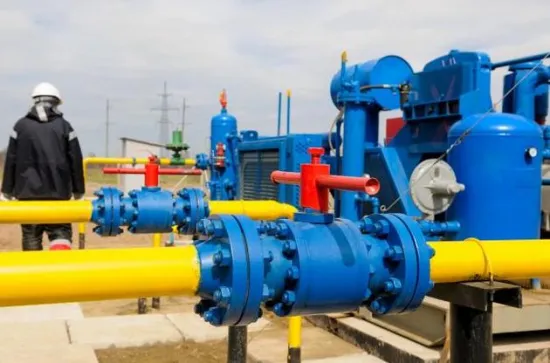
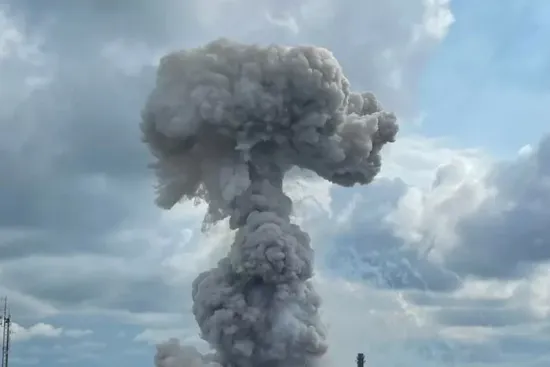
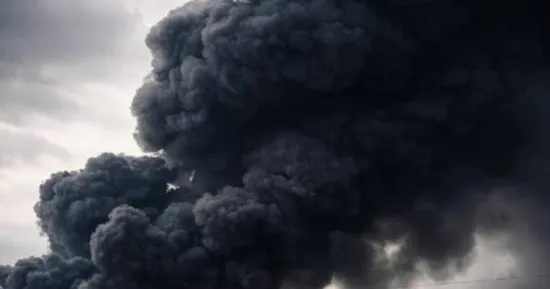
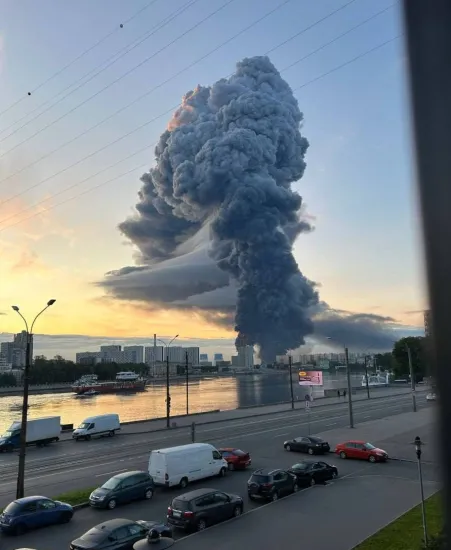
In Qatar, QatarEnergy stated that Iran’s missile strikes on Ras Laffan, where Qatar’s main LNG processing hub is located, caused “extensive damage” to the energy hub. Saudi Arabia, for its part, reported that it had intercepted and destroyed four ballistic missiles heading towards Riyadh, and had also repelled an attempted drone attack on a gas facility.
Prior to these strikes, Iran issued warnings to evacuate personnel from a number of energy facilities in Saudi Arabia, the UAE and Qatar. Reuters notes that Tehran was preparing a retaliatory strike following attacks on its own energy infrastructure in the South Pars and Asaluyeh regions.
The general uncertainty surrounding the Strait of Hormuz is also putting additional pressure on the market. Analysts directly link the current rise in oil prices to the risk of prolonged supply disruptions, strikes on energy facilities and the lack of signs of a swift de-escalation. Reuters also notes that Brent closed up 3.8% the previous day, whilst WTI remained virtually unchanged, and the spread between them widened to an 11-year high due to the release of US strategic reserves and high transport costs.
According to analysts, the combination of strikes on oil infrastructure, the deaths of senior Iranian officials and tougher rhetoric from Washington points to the risk of a prolonged disruption to supplies. The US Federal Reserve’s decision to leave interest rates unchanged, whilst signalling higher inflation against the backdrop of the war, also provided a separate backdrop for the market.
US President Donald Trump stated that the strike on South Pars was carried out by Israel, and neither the US nor Qatar were involved. He also warned that Washington would respond if Iran took further action against Doha. Meanwhile, Reuters reported that the Trump administration is considering deploying thousands of US troops to bolster operations in the Middle East.
Consequently, the oil market is currently being driven not by a single factor, but by several simultaneously: direct strikes on energy hubs, the threat of further attacks, tensions surrounding the Strait of Hormuz, and the risk of an expanded US military presence in the region. That is precisely why, following Iran’s latest strike, the market reacted not with a brief spike but with a full-scale reassessment of the risks to global energy supplies.