New sanctions against Russia and record-breaking aid for Ukraine
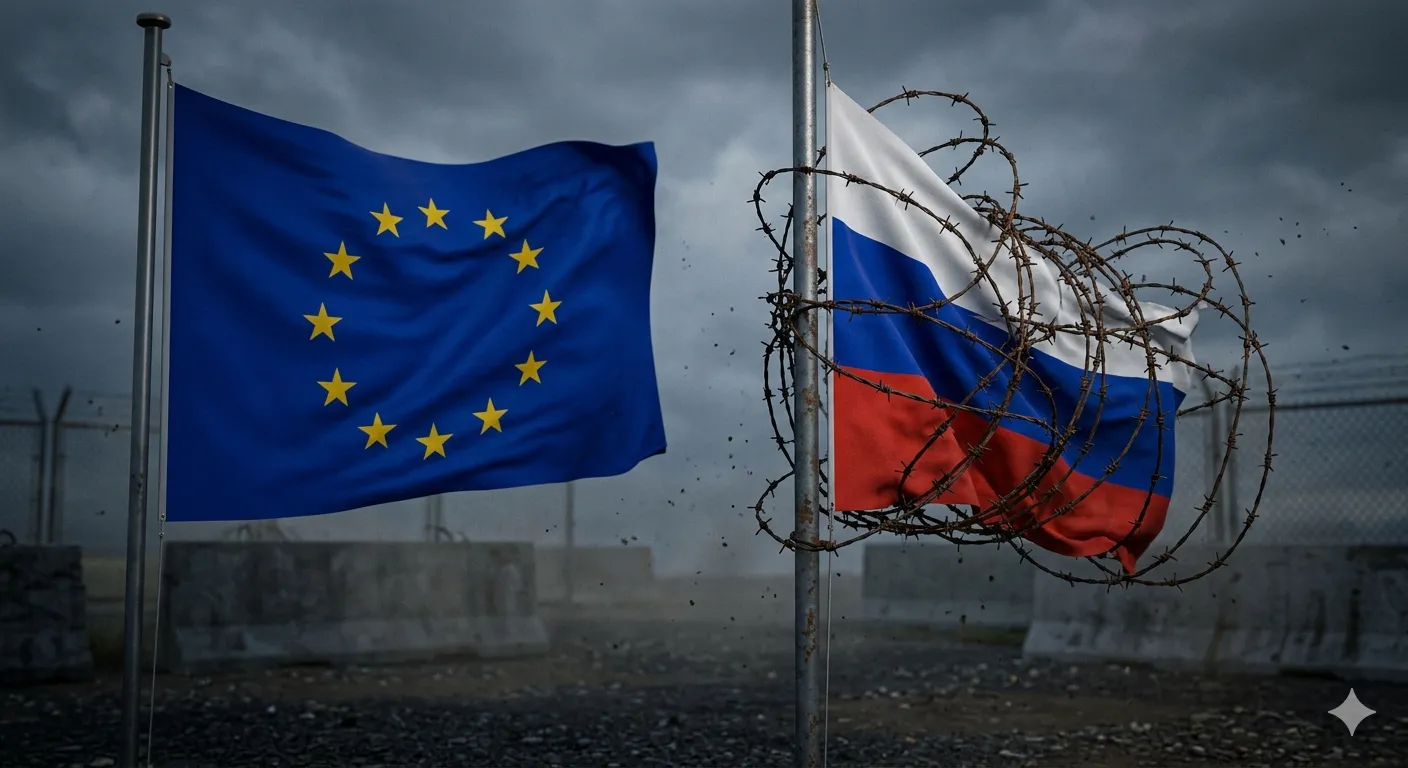
This is reported by UNIAN
A blow to the Kremlin’s revenues
The new EU sanctions directly affect the Yamal LNG and Arctic LNG-2 projects. From 1 January 2027, the bloc will completely ban imports of gas condensate — a strategic raw material for petrochemicals and fuel, which Russia has been exporting in large quantities to European ports. Previously, this resource remained exempt from restrictions to ensure energy stability, but Brussels is now finally closing this ‘loophole’.
The ban on condensate is part of a strategy to completely phase out Russian gas. According to the timetable, imports of liquefied natural gas (LNG) are to cease in early 2027, and pipeline gas in the autumn of the same year.
Record loan for Ukraine
At the same time, the EU has officially approved the allocation of €90 billion to Ukraine. This financial aid is intended to support economic stability amid the ongoing war. The decision was taken despite temporary difficulties in the energy market caused by restrictions in the Strait of Hormuz, which forced the EU to temporarily increase gas purchases from Russia in early 2026.
Despite these necessary measures, the course towards the complete isolation of Russian energy resources remains unchanged, and the new funding package is set to provide a solid foundation for the Ukrainian budget in the coming period.
What you need to know about the restrictions
The European Union has been consistently phasing out Russian raw materials since December 2022, when an oil embargo was introduced. Whereas Russia previously supplied almost a quarter of the bloc’s energy needs, these supplies are now being replaced by alternative sources. The new sanctions package effectively puts an end to official trade in Russian gas condensate on the European market, depriving the aggressor of significant windfall profits.
Follow us on Telegram