After Maduro's overthrow, the US is betting on Venezuelan oil: what's next

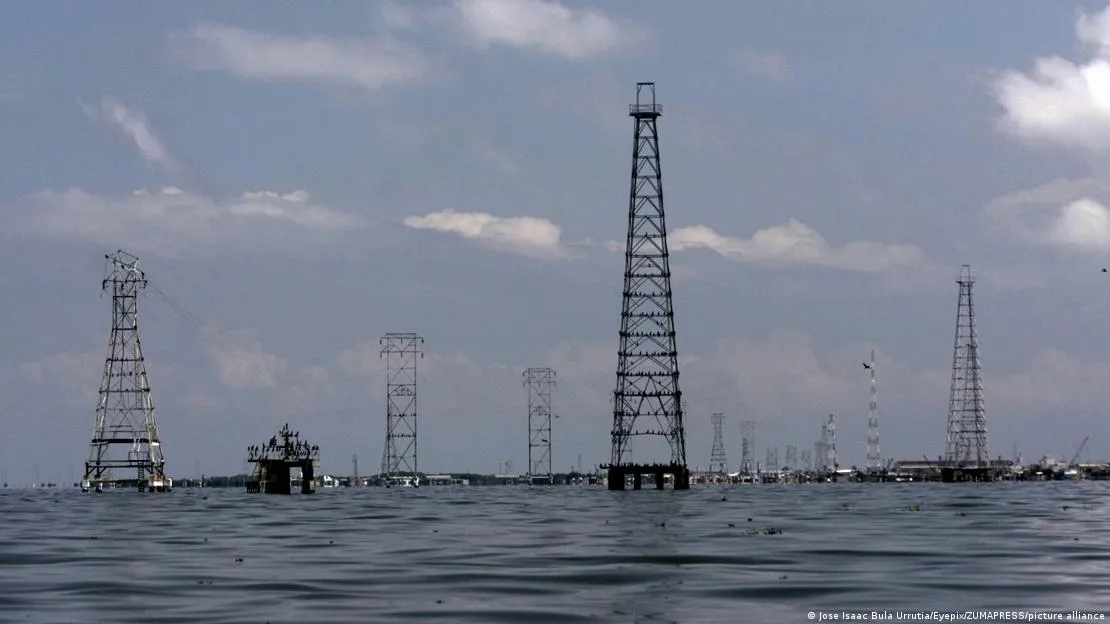
After seizing power in Venezuela and ousting Nicolas Maduro, US President Donald Trump announced his intention to allow more US oil companies into the country and invest billions of dollars to rebuild the destroyed infrastructure. The key question is how quickly this can be implemented. This was reported by DW.
Oil is the backbone of the Venezuelan economy. It accounts for about 90 per cent of export earnings. Venezuela has the world's largest proven reserves of over 300 billion barrels. At the same time, its share of global production is less than 1 percent, down from more than 10 percent in the 1960s. Production has fallen by more than 70 per cent since the end of 1990 due to corruption, accidents, lack of investment and US sanctions
State-owned PDVSA is currently maintaining production at around 1 million barrels per day. This is partly due to special US licences for certain foreign partners. Chevron remains the only US company that actually operates in Venezuela, with about 3,000 employees in the country
The Trump administration does not rule out the return of other giants, including ExxonMobil and ConocoPhillips, whose assets were nationalised under Hugo Chavez. They won multibillion-dollar arbitrations, but have not received compensation
Despite being the world's largest oil producer, Venezuelan crude remains attractive due to its heavy type. This is the type of oil that many US refineries, especially those on the Gulf Coast, need. Switching refineries exclusively to light US crude would require tens of billions of dollars and years of modernisation
At the same time, the prospects for rapid production growth remain limited. The political model of governance after Maduro has not yet been determined, the sanctions regime remains in place, and infrastructure requires large-scale investment. Experts point out that even under favourable conditions, additional oil volumes will appear gradually, not abruptly. China remains a separate factor, as it is a key buyer of Venezuelan oil and has sharply criticised the US actions as a violation of the country's sovereignty