Rising transport costs in Ukraine: where and by how much fares are increasing

ThePublic reports:
1. Which cities have already changed their fares
2. What is happening with prices in Kyiv
3. Where travel is most expensive and cheapest
4. Why transport operators are raising prices
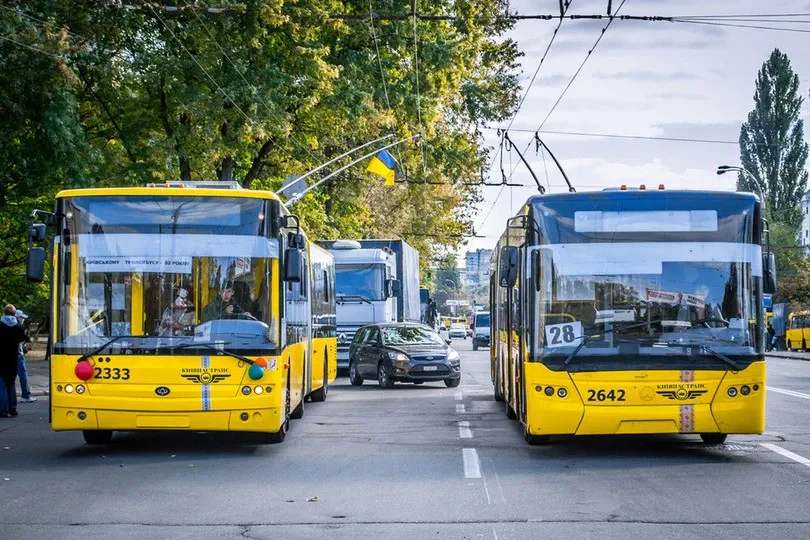
In Ukraine, public transport fares are rising in cities as well as on suburban and intercity routes. In some regions, the new fares have already come into effect, whilst in others the authorities are only preparing to review fares.
What is happening in Kyiv
Kyiv is preparing for its first fare review since 2018. Mayor Vitali Klitschko has instructed the relevant departments to prepare the necessary calculations.
At present, public transport in the capital remains subsidised. During 2026, the city plans to allocate around 12 billion hryvnias to support municipal transport operators.
According to Klitschko, the price increase is linked to rising costs of electricity, fuel and logistics services. He also emphasises that the city budget covers the costs of subsidised transport itself due to the lack of full compensation from the state. The authorities expect that the new fares will allow part of the funds to be channelled into preparations for the next heating season and strengthening the city’s energy resilience.
Meanwhile, private transport operators are already raising fares. On some Kyiv minibus routes, the price has risen from 15 to 20 UAH.
Meanwhile, urban planning expert Heorhii Mohylnyi questions the arguments regarding the need to raise fares. According to him, the financial model of the capital’s metro already provides for significant budgetary compensation that exceeds actual costs.
According to the 2025 financial report, passengers paid an average of 7.28 UAH per metro journey, whilst the company’s costs amounted to 17.83 UAH per passenger. At the same time, the company received 22.55 UAH from the city budget for each journey to cover the fare difference.
Thus, total revenue amounted to 29.83 UAH per passenger against costs of 17.83 UAH, resulting in a difference of approximately 12 UAH per journey. Mogilny claims that significant amounts of budget funds are being transferred to the utility company’s accounts without proper justification, creating conditions for the misuse of resources under the guise of own revenue.
Where fares have already changed or are being reviewed
In Lviv, the city council is considering a moderate adjustment to fares. Transport operators proposed setting the fare at 42 UAH, but the city council did not support this initiative. Over the coming month, the process of agreeing new fares will continue, which the executive committee is subsequently due to approve.
The city is proposing the following prices: student ticket – 11.5 UAH instead of 8.5 UAH, payment by LeoCard – 23 UAH instead of 17 UAH, by bank card – 26 UAH instead of 20 UAH, and in cash – 30 UAH instead of 25 UAH.
In Ternopil, the new payment rules have been in force since 23 March. The city has introduced a single fare for municipal and private buses, but the final cost depends on the payment method. The “Ternopil Resident Social Card” e-ticket costs 15 UAH, a non-personalised e-ticket – 17 UAH, and payment by bank card, NFC or single-use ticket – 20 UAH.
Free travel has been retained for pensioners and war veterans. Schoolchildren and students are entitled to free travel on public transport and a 50% discount on private minibuses. The city also operates the “Single Ticket” service, which allows passengers to change buses without additional payment within 30 minutes.
In Zhytomyr, the new payment system has been in operation since 16 March. On electric transport, a journey costs 12 UAH with a transport card and 14 UAH with a bank card. On buses, the fare is 18 UAH regardless of the type of card. Cash payment remains the most expensive option – 20 UAH.
For schoolchildren with a transport card, the fare is 7 UAH on trolleybuses and 10 UAH on buses. Pensioners and people with a Group III disability travel free of charge on public transport, whilst on buses they pay a reduced fare of 10 UAH.
In a number of other cities, fares have already been revised or changes are currently being prepared. In Chernivtsi, the fare on trolleybuses will rise from 13 to 16 UAH. In Lutsk, there is a proposal to set the fare at 24–25 UAH; in Dnipro, an increase to 22–25 UAH is being considered; in Vinnytsia, there is a proposal to raise fares to 15–17 UAH on electric transport and to 18–20 UAH on buses. In Pivdennoukrainsk, prices have already risen by 10 UAH.
Suburban and intercity routes
The sharpest price rises have been recorded on suburban and intercity routes.
In the Cherkasy region, prices have risen by approximately 25%. In the Chernivtsi region, some routes have gone up by 5–10 UAH, whilst others have risen by as much as 150 UAH. In the Khmelnytskyi region, fares have increased by 10–20 UAH.
In the Sumy region, prices for intercity minibuses have already been raised, but the cost depends on the distance. In particular, a journey from Sumy to Kyiv has risen from 700 to 850 UAH.
Where fares are the most expensive and the cheapest
The highest fares are found in major cities. In Lviv, a journey now costs 25 UAH in cash and 17–20 UAH when paying by card. In Uzhhorod, fares are 18 UAH by card and 23 UAH in cash; in Cherkasy, they are 16 and 20 UAH respectively. In Ivano-Frankivsk, prices on private transport reach 20 UAH, whilst minibuses in Odesa cost 20 UAH. In Kyiv, private minibuses charge up to 20 UAH, whereas public transport remains at 8 UAH or 6.5 UAH with a travel card.
In the regions, prices vary depending on the type of transport. In Dnipro, electric transport costs 10 UAH, in Zaporizhzhia – 15 UAH, and minibuses – 17–18 UAH. In Poltava, a trolleybus fare is 10 UAH or 9 UAH with an e-ticket, and minibuses cost 15 UAH.
In Rivne, a journey on minibuses and buses costs 18 UAH, and on trolleybuses 12–14 UAH. In Chernihiv, prices range from 12 to 17 UAH depending on the payment method. In Khmelnytskyi, a trolleybus costs 9 UAH and a bus 15 UAH.
The lowest fares are found in several cities. In Sumy, a trolleybus costs 6 UAH; in Kherson, 6 UAH on trolleybuses and 8 UAH on minibuses; in Kropyvnytskyi, 8 UAH on trolleybuses and 10 UAH on buses; and in Dnipro, 10 UAH on electric transport.
Kharkiv stands out as an exception, where travel on public transport remains free during the war. The city authorities state that this arrangement will remain in place for as long as the budget allows.
Why fares are rising
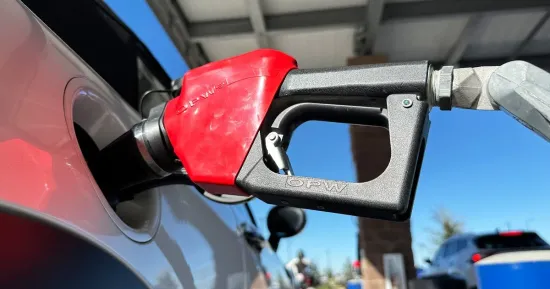
In almost all regions, transport companies attribute the need to raise fares to the sharp rise in fuel prices.
According to experts, diesel fuel has risen in price by more than 50%, and petrol prices have also increased. In addition, transport operators are factoring in costs for repairs and spare parts, pay rises for drivers, tax burdens and vehicle maintenance costs.
As reported by ThePublic, Kyiv is preparing to review public transport fares — the Departments of Economy and Transport have been tasked with preparing the relevant calculations.
Follow us on Telegram