Neither Russian nor Chinese systems helped Iran's air defence forces

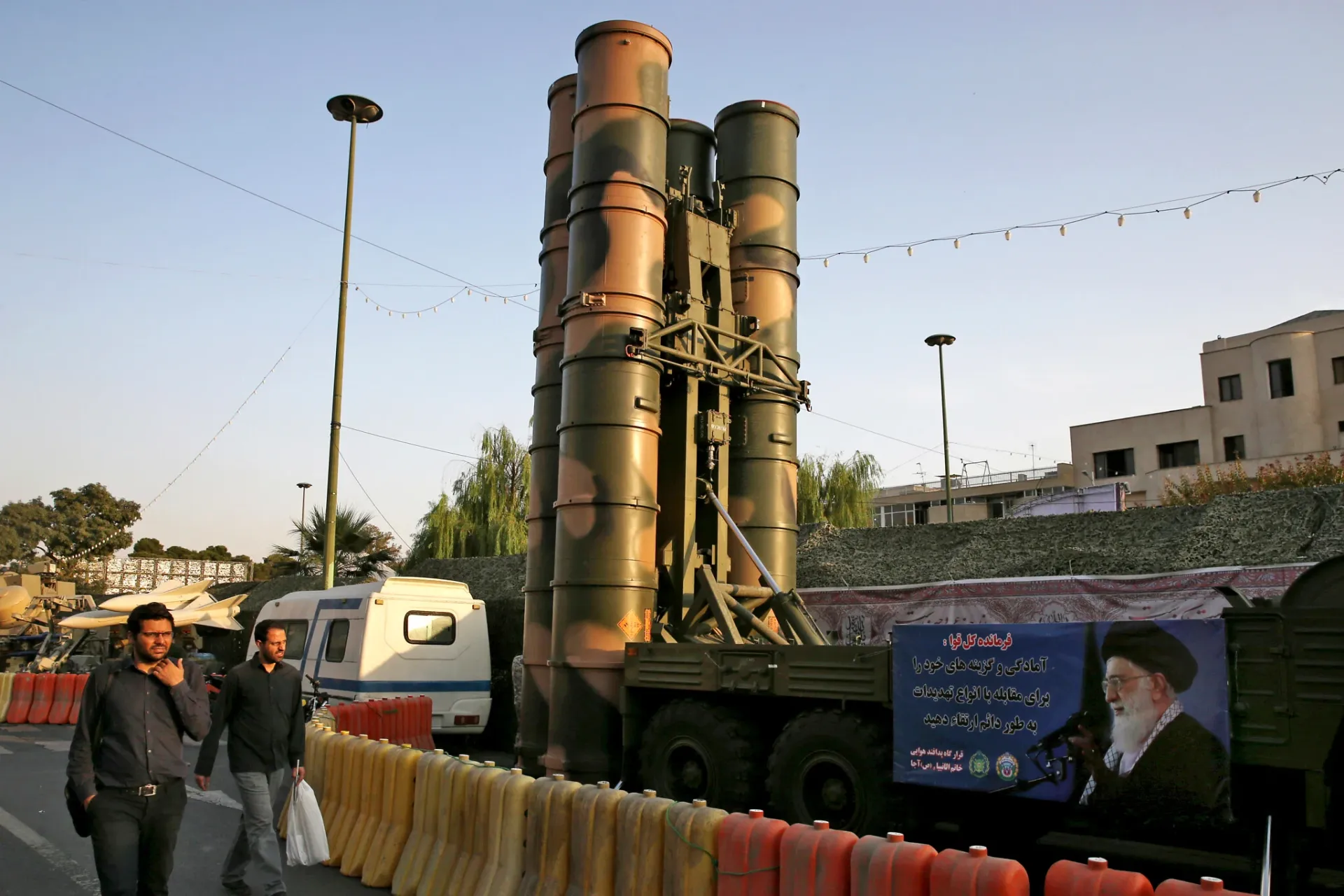
Recent long-range strikes by the US and Israel on Iran have demonstrated the limited capabilities of Iran's air defence system. According to preliminary estimates by military experts, the network, which consists of Russian, Chinese and Iranian systems, proved ineffective against intense electronic jamming and high-precision strikes. This was reported by The Public with reference to Storm Media.
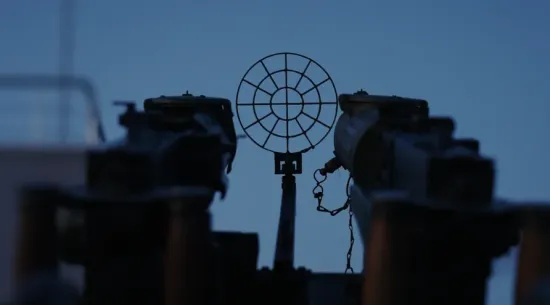
Iran has been developing its own air defence system for many years by purchasing foreign weapons and copying technologies. The basis of long-range defence is the Russian S-300PMU-2 complex, which is designed to counter modern air attacks. Tor anti-aircraft missile systems are used for close-range protection of critical facilities.
In the conflict that has been ongoing since June 2025, Israeli forces have employed the tactic of precision strikes on radar systems. According to experts, the first targets were the fire control radars and command vehicles of the S-300 systems. After their destruction, the anti-aircraft missiles lost their effectiveness.
To compensate for the loss of Russian systems, Iran recently imported Chinese HQ-9B long-range air defence systems. These systems have high technical specifications, but during combat use, problems arose with the integration of data transmission channels between Chinese, Russian and Iranian components.
According to experts, this combined structure created gaps in the control zone. This allowed F-35 fighter jets used by the US and Israeli forces to penetrate the defences.
Iran also has its own developments. These include the Bavar-373 system and the Gadir long-range radar with a claimed detection range of up to 1,100 kilometres. However, in real conditions, these systems have shown unstable performance during electronic suppression.
Analysis by international media indicates that Iran's air defence system does not have a unified command platform at the theatre of operations level. Data transfer between Russian, Chinese and Iranian systems is delayed, which can be critical in combat conditions.
In addition to technical factors, intelligence could have played an important role. According to foreign media reports, Israeli intelligence agency Mossad may have established a network of agents in Iran.
These reports also note that small drones could have been used during the operation, which were delivered inside the country and used to attack energy systems and communication channels of air defence positions. This could have paralysed some of the facilities even before the air strikes began.
Experts note that the failure of the air defence system has called into question the effectiveness of combining weapons of different origins in a single network.