The Rada has backed a bill to protect street stalls, markets and small businesses

Bill No. 15035, which concerns the protection of small businesses, self-employment and employment, is being put forward in the Verkhovna Rada. The relevant committee has recommended that parliament include the bill on the session’s agenda and adopt it in principle.
In addition, the committee proposed that the initiative be put forward for discussion within the Congress of Local and Regional Authorities under the President of Ukraine, and that public consultations be held.
The aim of the document is to strengthen guarantees of the right to work and prevent the loss of jobs or sources of self-employment due to decisions by state authorities or local self-government bodies.
Committee Chair Galina Tretyakova stated that she would like to see the creation of a “zone of maximum concessions” by municipalities. According to her, small retail stalls and markets should be viewed not only as commercial activities, but also as part of sustainable regional development and food security for city residents.
One of the main innovations of the draft law is the enshrinement in law of the principle of protecting the right to work and employment from being restricted or lost as a result of decisions by the authorities.
The document also provides for a mandatory assessment of the impact of administrative decisions on employment and self-employment. This applies, in particular, to decisions in the areas of urban planning, urban development, land use and the management of municipal property. It is proposed that such an assessment be taken into account through regional and local employment programmes.
Another proposal is for mandatory public consultation on draft territorial and local employment programmes and amendments thereto, if they relate to decisions that could reduce the number of jobs.
Separately, the draft law proposes to prohibit the adoption of decisions that could result in the cessation of business activities or job losses in the small business sector. Exceptions are permitted only in cases expressly defined by law.
The authors of the initiative have included among such exceptions the needs of national defence, ensuring the functioning or protection of critical infrastructure, and the elimination of a real and immediate threat to human life and health.
Even in cases where a decision falls under the exceptions, the draft law requires preliminary economic, socio-economic and budgetary assessments to be carried out.
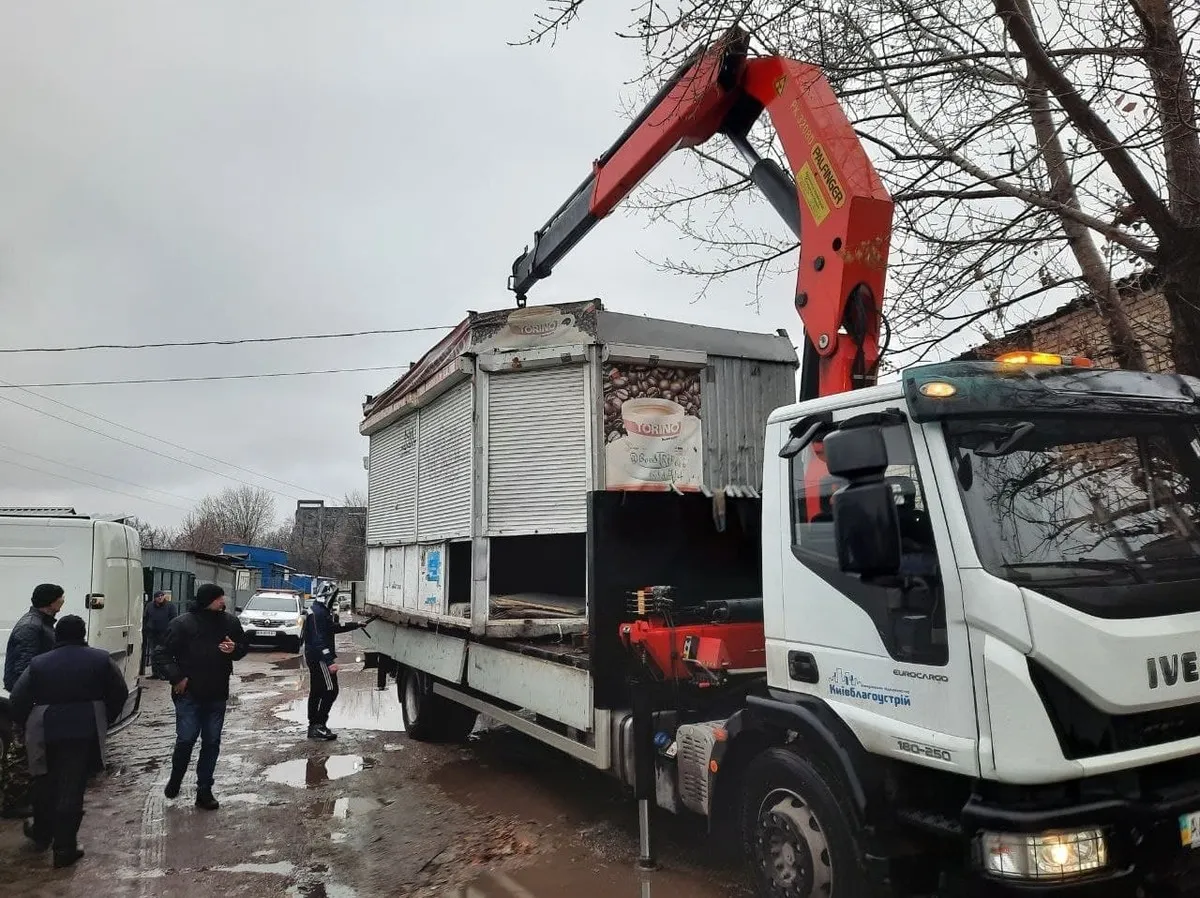
A separate section of the document concerns temporary structures used for business purposes. In the event of the compulsory dismantling or relocation of such structures, it is proposed to introduce a compensation mechanism, with the associated costs borne by local budgets.
Furthermore, the initiative provides for priority access to social services and employment support programmes for people who have lost their jobs or sources of self-employment specifically as a result of decisions by the authorities.
The committee also notes that the draft law should harmonise legislative provisions in the areas of employment, urban planning and public amenities to avoid legal conflicts and prevent disproportionate interference with citizens’ labour rights.
According to the authors of the document, its adoption should reduce the risk of job losses, strengthen legal certainty in the field of public administration and ensure a balance between the interests of the state and the rights of citizens.
The committee meeting at which this draft law was considered took place via videoconference.