Iran announced the closure of the Strait of Hormuz and threatened to set ships on fire

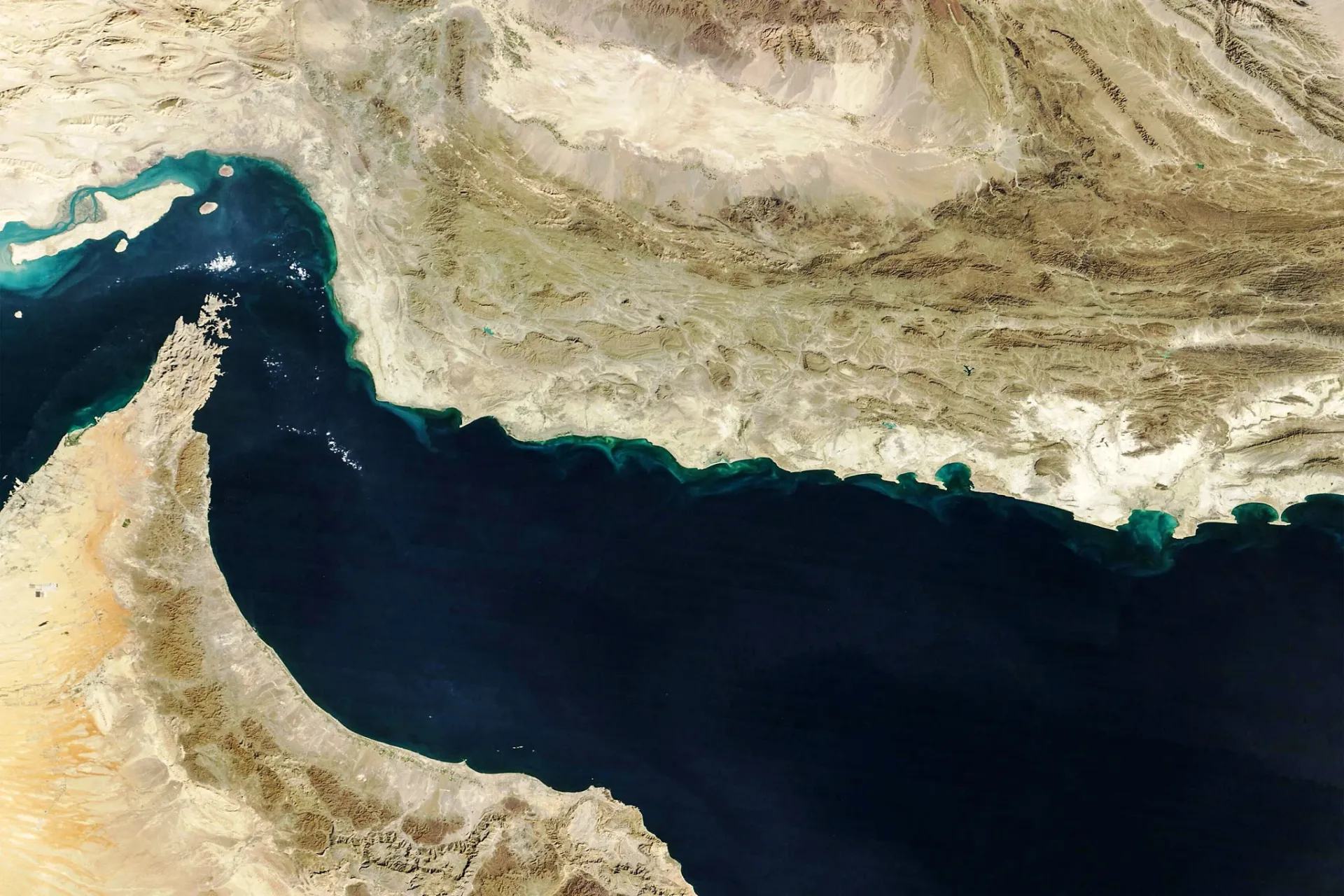
A senior representative of the Islamic Revolutionary Guard Corps said that the Strait of Hormuz is closed. According to him, any ships that try to pass through it may be attacked. This was reported by Iranian state media, writes The Times of Israel.
Ebrahim Jabari, an adviser to the commander-in-chief of the Islamic Revolutionary Guard Corps, said that ships attempting to pass through the strait could be destroyed.
"The strait is closed. If anyone tries to pass through, the heroes of the Islamic Revolutionary Guard Corps and the regular navy will set these ships on fire," he said.
This is the toughest statement from the Islamic Revolutionary Guard Corps regarding the movement of ships in the straits after ships were informed on Saturday that the oil export route was closed.
Despite these statements, Fox News, citing the US Central Command, reported that the Strait of Hormuz remains open.
Earlier on Monday, the Islamic Revolutionary Guard Corps announced an attack on an oil tanker allegedly linked to the United States in the Strait of Hormuz. According to the Iranian military, the tanker ATHE NOVA caught fire after being hit by two drones.
Restrictions on traffic through the strait are linked to US and Israeli strikes on Iran on 28 February. According to the source, these strikes were aimed at changing the government in the country. Iran's Supreme Leader Ali Khamenei was killed during the first wave of attacks.
US President Donald Trump has repeatedly threatened to strike Iran. Initially, this was explained by the suppression of protests in the country in January, and later by Iran's refusal to abandon its nuclear programme.
In response to the US and Israeli strikes, Iran launched missile strikes on Israel and the Persian Gulf countries where US military bases are located, including Qatar, Kuwait and the United Arab Emirates.
The Strait of Hormuz is one of the key routes for global oil exports. About 20 per cent of the world's daily oil consumption passes through it. The narrowest part of the strait is approximately 33 kilometres wide. It connects the largest oil producers in the Persian Gulf, including Saudi Arabia, Iran, Iraq and the United Arab Emirates, with the Gulf of Oman and the Arabian Sea.
Amid escalating tensions between Iran, the US and Israel, fears of possible supply disruptions have grown in the oil market. On Monday, oil prices jumped to their highest level since January 2025. The increase was up to 13 per cent.
International shipping has already been disrupted by drone and missile attacks carried out by Yemeni Houthis, allies of Iran. They began attacking ships in the Red Sea after the Hamas attack on 7 October 2023, which led to war in the Gaza Strip.