US Republicans concerned: Trump's unpopularity could cost them control of the Senate

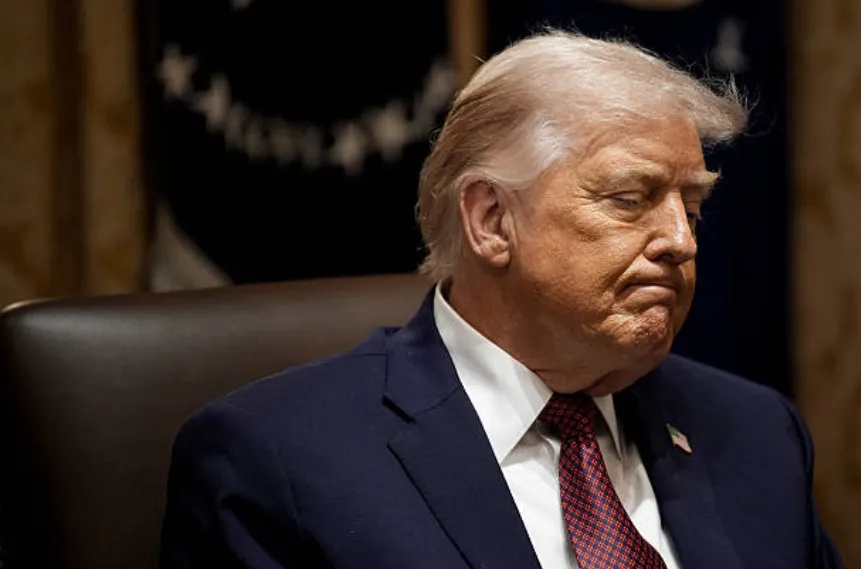
Republican senators are increasingly vocal about the threat of losing control of the US Senate amid public dissatisfaction with President Donald Trump's policies. Within the party, there are fears that voters' negative reaction to the economic situation and aggressive deportation measures could trigger a massive Democratic wave that threatens not only the Republican majority in the House of Representatives, but also their advantage in the upper house of Congress. This was reported by The Public with reference to The Hill.
The victory of Democratic candidate Taylor Remet in the state senate election in North Texas was an alarming signal for the party. In 2024, Trump won this district by a margin of 17 points, but this time the Democrats scored an unexpected victory. Republican senators called this result a "wake-up call" ahead of November.
After a closed briefing at the Republican National Committee on the Senate elections, one of the Republican senators said that the level of concern about the upcoming elections "should be very high." According to him, colleagues from key states, including Maine and North Carolina, have long been warning about the deterioration of the political environment for the party.
Republicans currently control 53 seats in the Senate, and the vice president can decide the outcome of votes in the event of a tie. Democrats need to win at least four additional seats to regain the majority. The party acknowledges that with a powerful wave of discontent, Democrats could win even in states that have traditionally leaned Republican, such as Ohio, Alaska and Iowa.
Polling data reinforces these fears. According to aggregate polls, Trump's approval rating is 42.2%, while his disapproval rating is 54.6%. A Harvard CAPS Harris poll showed that 51% of voters consider his performance to be worse than that of his predecessor. According to CNN, 55% of Americans believe that the economic situation has deteriorated during his presidency. A Fox News poll at the end of January showed that 7 out of 10 voters rate the state of the economy as poor.
Senate Majority Leader John Thune acknowledged that the party needs to be more active in explaining its economic initiatives to voters, particularly with regard to tax cuts and deregulation. At the same time, the party points out that historically, midterm elections during a president's second term often result in serious losses for his political party. The Republicans themselves admit that this time they are increasingly shifting into defence mode.