Russia compensated for losses from sanctions with gold worth over $216 billion

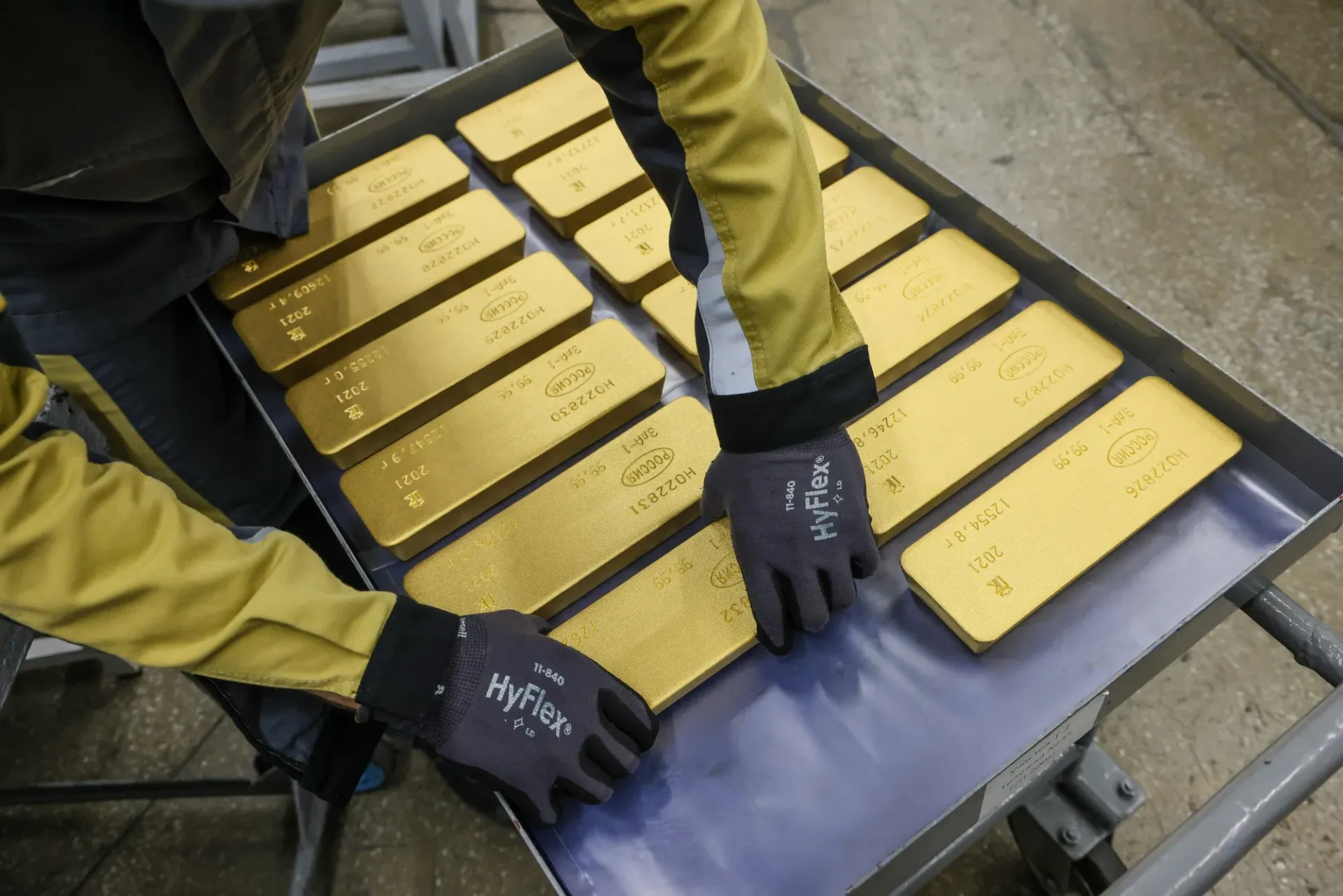
Russia has benefited significantly financially from the rise in gold prices since the start of the war against Ukraine. According to Bloomberg estimates, the value of the Russian Central Bank's gold reserves has increased by more than $216 billion since February 2022. This is comparable to the volume of Russian sovereign assets frozen in European Union countries.
This amounts to approximately €210 billion, which the EU decided to keep frozen at the end of 2024. Against this backdrop, the rise in gold prices has effectively restored most of Russia's financial potential, even though the frozen reserves themselves remain inaccessible.
During this period, the Central Bank of the Russian Federation made almost no large purchases of gold and was in no hurry to use its existing reserves, even though access to foreign exchange reserves and securities abroad was lost due to sanctions. At the same time, gold retains its liquidity and can be monetised if necessary, unlike frozen assets in Europe.
Russia is the world's second-largest gold producer, mining over 300 tonnes of the metal annually. However, since 2022, Russian bullion has not been accepted by the London Bullion Market Association, which has effectively closed access to the largest over-the-counter market. This complicates large-scale sales even for Asian buyers and intensifies competition with new gold from Russian companies, which are also under sanctions.
Global gold prices have risen sharply over the past four years due to inflationary risks, geopolitical instability and active purchases by central banks. In 2025, gold rose in price by about 65 per cent, the best annual result since 1979. At the beginning of 2026, the price exceeded $4,700 per ounce.
According to the Central Bank of the Russian Federation, the country's international reserves reached $755 billion at the end of last year, of which $326.5 billion was in gold. The share of gold in reserves rose to 43 per cent from 21 per cent before the war, while foreign currency and asset reserves fell by about 14 per cent.
Source and photo: Bloomberg