Russia fails to meet OPEC+ quota: sanctions and drone strikes reduce oil production

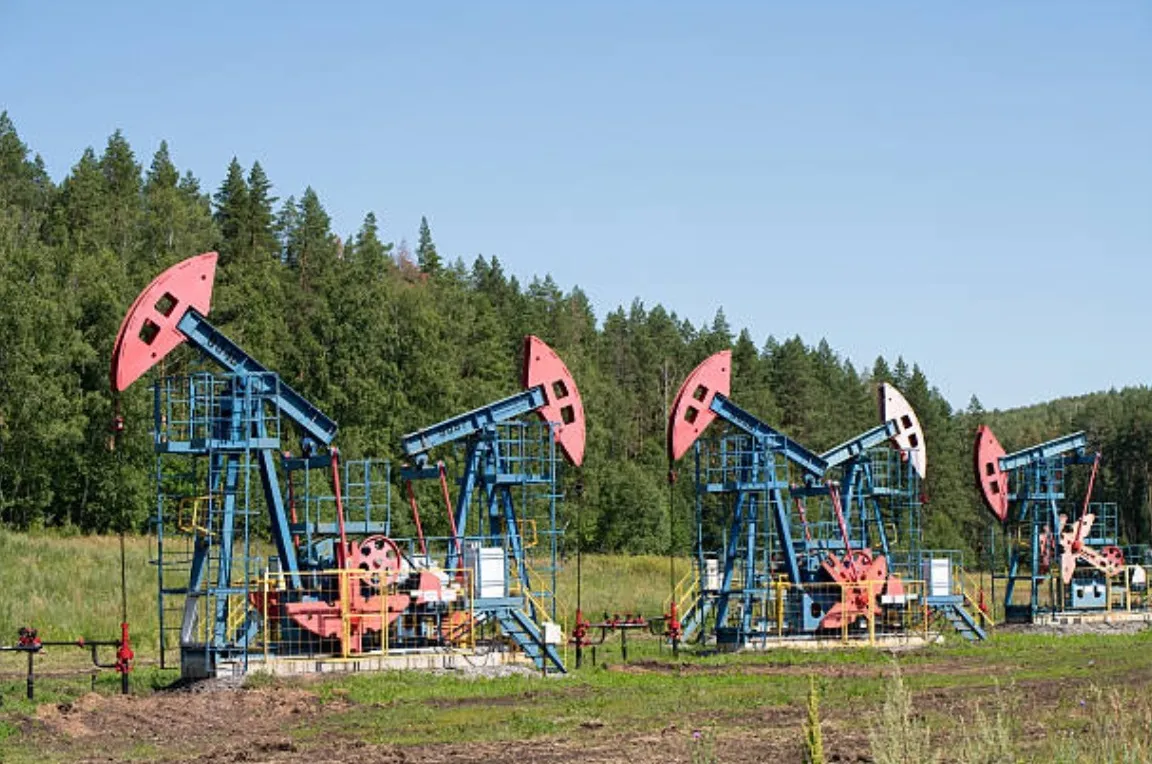
Oil production in Russia averaged 9.43 million barrels per day in November. This is 19,000 barrels more than in October, but more than 100,000 barrels less than the monthly quota. This was reported by The Public, citing an analysis of data reviewed by Bloomberg.
This is the largest gap between Russia's actual production and its OPEC+ targets in more than two years. The data confirms that Moscow is finding it increasingly difficult to find buyers for oil, which is a key source of revenue for the Kremlin to finance its war against Ukraine.
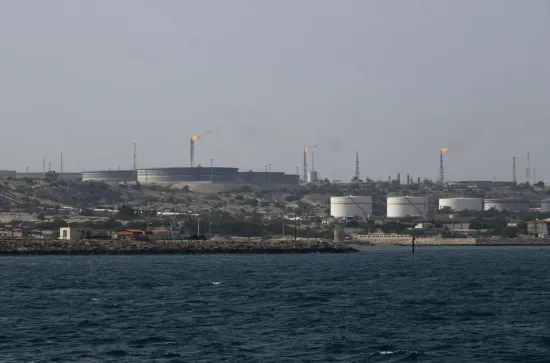
US sanctions against oil giants Rosneft and Lukoil in recent weeks have reduced interest from India, one of the main consumers of Russian raw materials. Traders suggest that volumes may partially recover through intermediaries and unauthorised suppliers, but the market is already seeing an increase in the volume of oil ‘stuck’ at sea. Some tankers are idle for long periods or are making longer voyages.
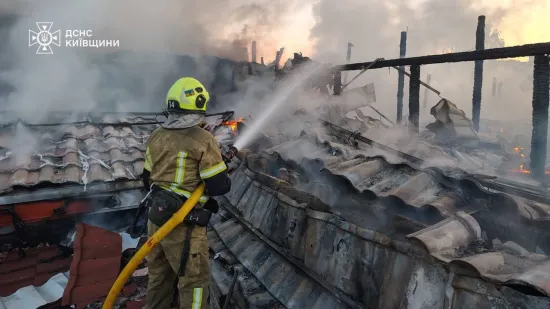
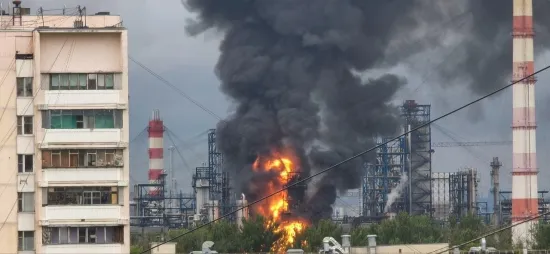
Another factor was the record attacks by Ukrainian drones on Russian oil refineries in November. As a result of the strikes, refining volumes declined, and refinery owners urgently repaired the infrastructure. The parties are waging an increasingly intense energy war, trying to shift the balance of power amid protracted peace talks.
The Russian Ministry of Energy has not commented on the results for November. Deputy Prime Minister Alexander Novak previously stated that Russia is ready to gradually increase production and is not affected by sanctions, although the actual figures suggest otherwise.