Russia sharply cuts spending to keep budget deficit in check

At the end of 2025, Russia sharply reduced government spending in an attempt to keep the budget deficit within the latest revised target amid a collapse in oil revenues. This is evidenced by Bloomberg calculations based on data from the Russian Ministry of Finance.
At the end of December, budget spending fell by 19 per cent year-on-year. At the same time, spending for the whole of 2025 increased by only 7 per cent, significantly less than the 24 per cent increase a year earlier. This allowed the government to keep the deficit within 2.6 per cent of gross domestic product. In monetary terms, the shortfall amounted to 5.6 trillion roubles, or about 71.6 billion dollars. The initial deficit plan of 0.5 per cent of GDP was disrupted by the weakest oil and gas revenues in five years.
Russia ended its fourth consecutive year with a budget deficit amid the war against Ukraine, but this time the key factor was not record spending, but a sharp drop in revenues. Lower global oil prices, a growing discount on Russian oil due to tougher sanctions, and an unexpectedly strong rouble reduced energy sector revenues by 24 per cent compared to the previous year.
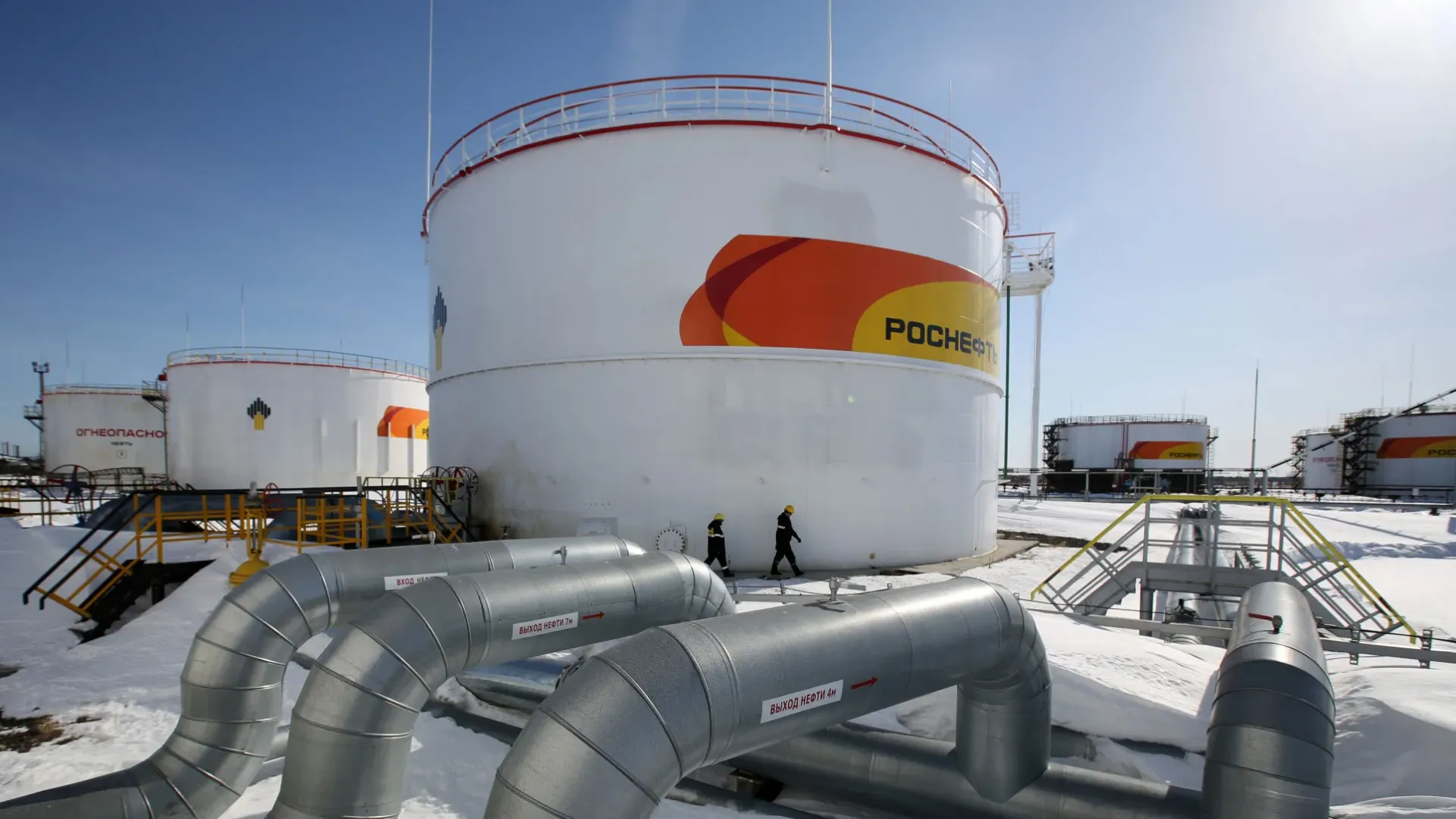
In December, the situation worsened even further. After the US imposed sanctions on the two largest oil companies, Rosneft and Lukoil, oil and gas revenues plummeted by 43 per cent. Weaker-than-expected revenues from other sectors of the economy were an additional blow. According to analysts' estimates, economic growth in 2025 may not exceed 1 per cent, compared to 4.3 per cent a year earlier.
Although the current deficit has not exceeded the record level of the pandemic year 2020, when it reached 3.8 per cent of GDP, Russia's financial position is now much more vulnerable. At that time, the National Welfare Fund had about 8.8 trillion roubles in liquid assets, more than double the current level. Borrowing has also become more expensive and difficult due to the central bank's key rate of 16 per cent, compared to a record low of 4.25 per cent in 2020, and the exit of foreign investors from the market.
Taken together, these factors signal the end of a period when the state had sufficient resources to finance the war, the economy and social programmes. The situation is complicated by weak oil market prospects and signals from US President Donald Trump about possible tougher sanctions against the Kremlin until peace is achieved. Non-oil budget revenues will also remain limited amid sluggish economic growth, estimated at 1.3 per cent this year.
Finance Minister Anton Siluanov has previously acknowledged that the country cannot count on consistently high oil and gas revenues in the long term. For the first time, Russia plans to cut defence spending in 2026 by about 10 per cent on an annualised basis. Despite this, the budget is expected to remain in deficit, with expensive domestic borrowing becoming the main source of funding as reserves are almost depleted.
USA, Trump, Russia, Ukraine