Russia cut oil production in April due to drone attacks

In April, Russia cut oil production due to drone attacks on ports and refineries, as well as the suspension of supplies via the only operational pipeline to Europe. According to sources and Reuters calculations, production volumes may have fallen by 300–400 thousand barrels per day compared with the average figures at the start of the year.
Sources note that, against the backdrop of infrastructure damage and planned spring maintenance, it is difficult for Russia to maintain exports without reducing production. The overall drop in output in April could amount to 500–600 thousand barrels per day compared to the level at the end of 2025.
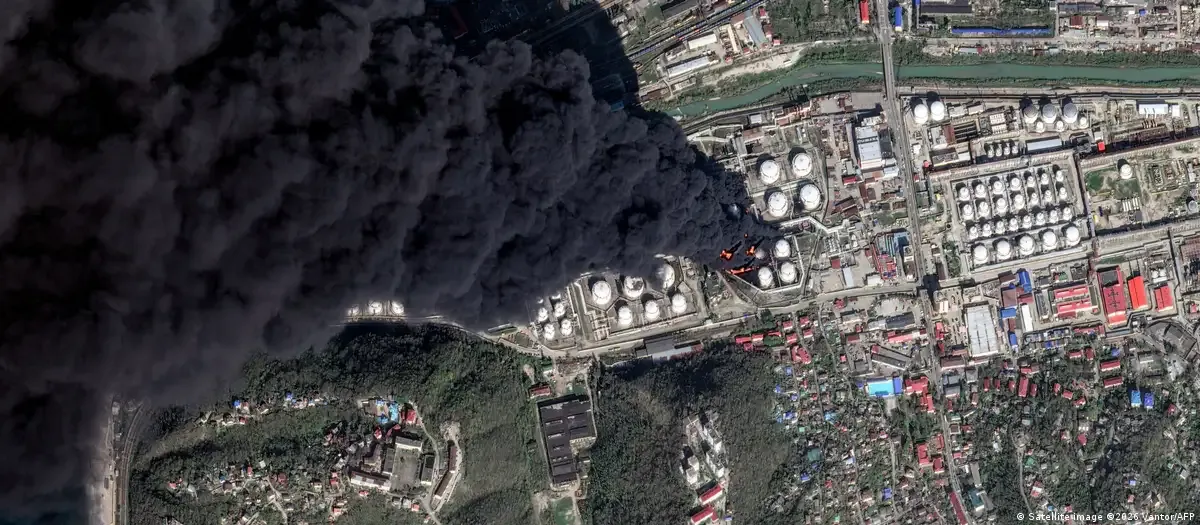
In recent weeks, drones have struck key Russian ports, including Ust-Luga, Primorsk and Novorossiysk, as well as oil refineries. Furthermore, supplies via the Druzhba pipeline to Hungary and Slovakia remain suspended following infrastructure damage at the end of January.
According to estimates by the International Energy Agency, due to the attacks, the forecast for oil supplies from Russia for the rest of the year has been reduced by 120,000 barrels per day. The agency also notes that it will be difficult for the country to increase production in the near future due to damage to port and energy infrastructure.
In March, oil production in Russia rose to 8.96 million barrels per day compared to 8.67 million in February, according to the International Energy Agency. Meanwhile, the Organisation of the Petroleum Exporting Countries estimates that production levels remained stable at 9.167 million barrels per day.
Against the backdrop of strikes on infrastructure, volumes of seaborne oil exports from Russia have fallen to their lowest levels since the summer of 2024. According to an estimate by Serhiy Vakulenko, an expert at the Carnegie Endowment for International Peace, the average volume of shipments from ports fell from 5.2 million to 3.5 million barrels per day between late March and mid-April, meaning that around 30 million barrels did not reach the market during this period. Ukrainian President Volodymyr Zelenskyy estimated the losses to the Russian economy from strikes on oil infrastructure at $2.3 billion in lost export revenue.
Economists estimate that part of these losses will be offset by rising oil prices due to the blockade of the Strait of Hormuz. At the same time, Serhiy Vakulenko notes that the shortfall in volumes is more likely to be deferred than lost. According to him, the terminal in Ust-Luga, which suffered the heaviest damage, resumed shipments at a rate of one or two tankers per day as early as 7 April, and on 14 April, four tankers were being loaded there. Postponing exports to a later date could lead to further losses should global prices fall. A second strike on the Tuapse refinery has shown that Russian air defences are unable to protect this facility.
According to ThePublic, the Tuapse and Novokuybyshevsk oil refineries suspended operations following drone strikes in April.