Russia suspected of creating network of facilities near military bases in Europe

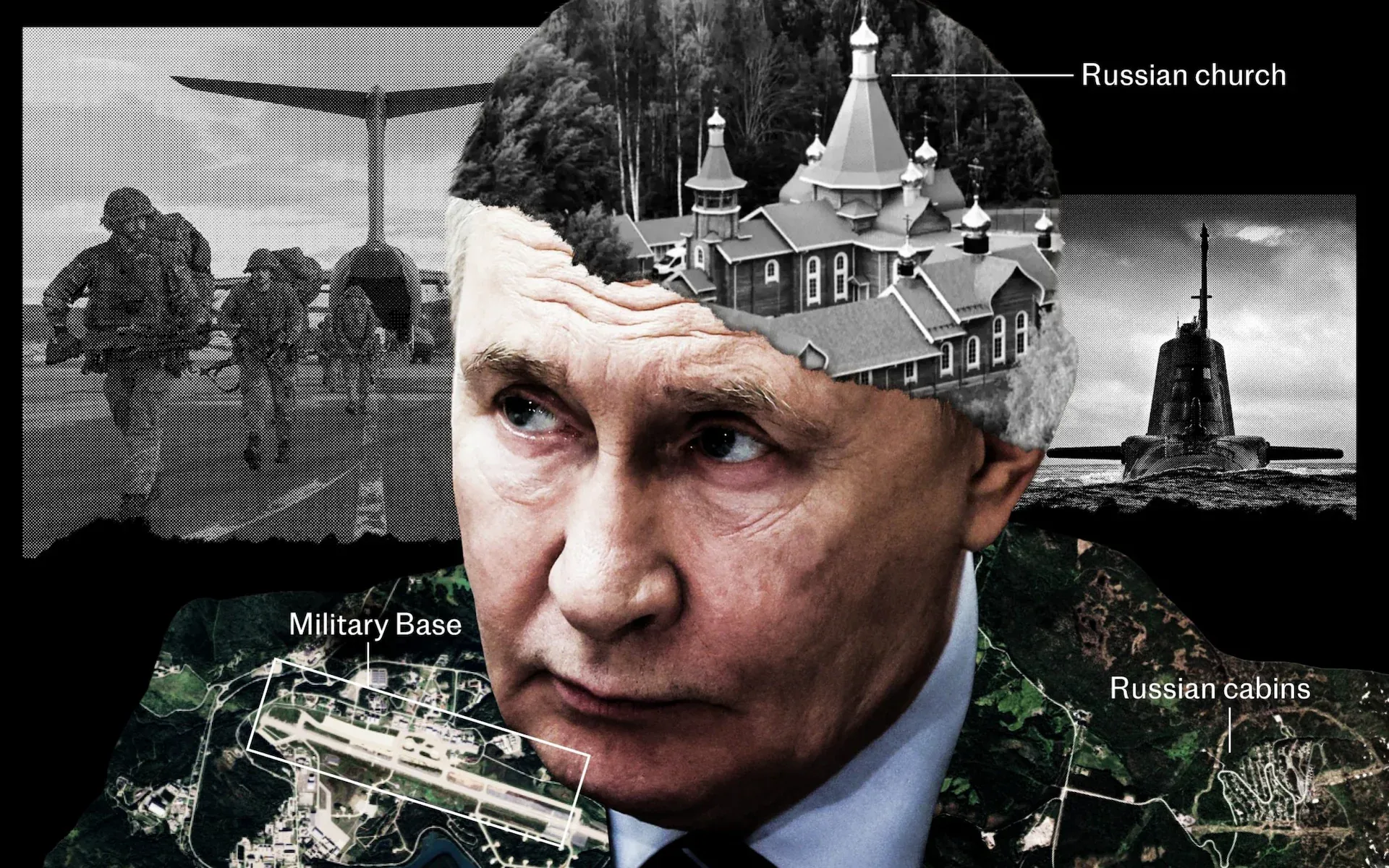
Representatives of three European intelligence services have reported that Russian agencies may be forming a network of facilities in Western Europe for possible sabotage operations. These include summer houses, warehouses, abandoned schools, city apartments and even islands purchased near military bases and critical infrastructure facilities.
According to the interlocutors, there are fears that some of these facilities may store explosives, drones, weapons, or trained agents who can be activated in a crisis situation.
Since the start of Russia's full-scale invasion of Ukraine, there has been an increase in sabotage incidents linked to Moscow. These include arson attacks in London and Warsaw, parcels containing explosives, assassination attempts and sabotage of rail links. Some Western intelligence officials suggest that these incidents may have been a test run for larger-scale operations.
In the UK, suspicious property purchases near MI6 headquarters in Vauxhall and the US Embassy in Nine Elms have been investigated. There are also concerns about possible targets near the submarine base in Faslane and submarine cable landing points in the Shetland Islands.
In July, Finland introduced an almost complete ban on the purchase of real estate by citizens of Russia and Belarus. This was prompted by events surrounding Airiston Helmi, which acquired 17 properties in the Archipelago Sea area, including the island of Sakkiluoto near important shipping routes and telecommunications infrastructure near Turku. In 2018, Finnish authorities conducted an operation on the island, where they discovered a helipad, nine berths, surveillance systems and buildings resembling barracks. The owner of the company, Pavel Melnikov, was subsequently given a suspended sentence for fraud.
In Norway, concerns were raised about facilities near the Bardufoss air base and the Gokkonvern naval base in Bergen. In Västerås, Sweden, a church built next to a strategic airport could be used as a platform for espionage, according to intelligence services. The priest who looked after the church received an award from the Russian Foreign Intelligence Service.
Intelligence officers also report the purchase of real estate near military facilities in Sicily, Crete, mainland Greece, and near strategic locations in London, Paris, and Geneva. In Switzerland, interest has been noted in properties near the Federal Institute for Chemical Protection and the Large Hadron Collider.
Experts note that a number of Baltic countries and Norway have tightened controls, and Estonia plans to introduce restrictions this summer. A proposal for a Europe-wide ban on the sale of real estate to Russians was not adopted last year.
Security service representatives believe that the threat is transnational in nature, while counterintelligence remains predominantly national.