Russia has lost around 40 per cent of its oil refining capacity as a result of Ukrainian strikes

The Financial Times reported that the fuel crisis in Russia has become the most severe since the collapse of the Soviet Union. According to the newspaper’s estimates, around 50 million motorists are directly affected, representing approximately 35 per cent of the country’s population.
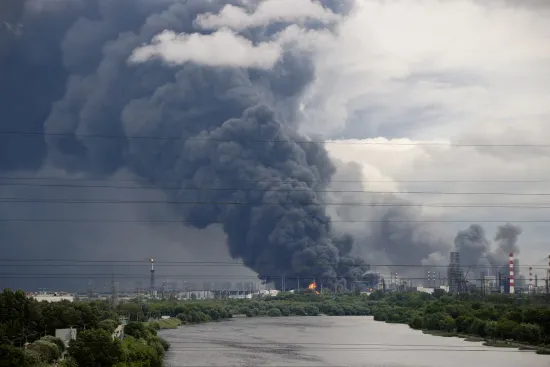
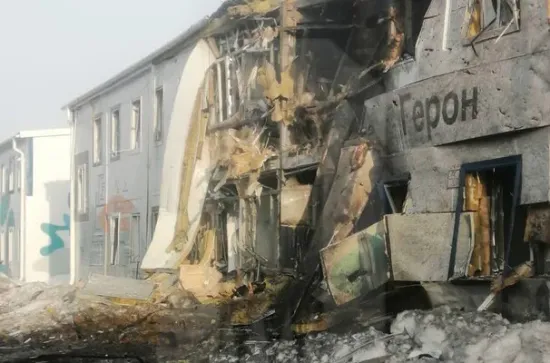
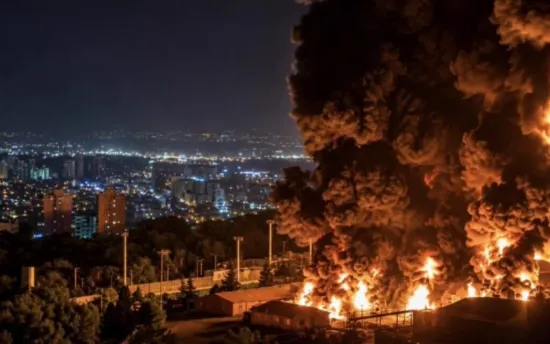
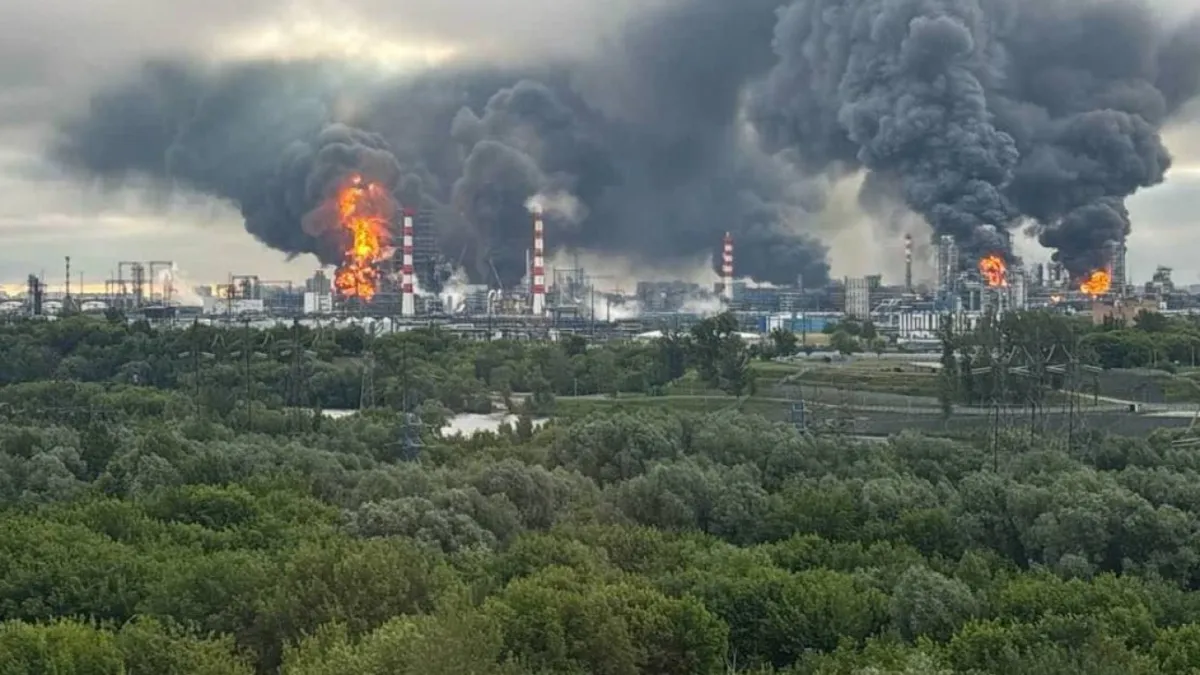
The crisis was triggered by massive strikes by Ukrainian drones on Russian energy infrastructure, which intensified significantly in May. Since then, ten of Russia’s largest oil refineries have come under attack, including the Omsk refinery, which accounts for around 7 per cent of the country’s refining capacity and is located approximately 2,500 kilometres from the front line.
According to various estimates, the attacks have put between 20% and 40% of Russia’s oil refining capacity out of action. Boris Dodonov, head of the energy and climate research department at the Kyiv School of Economics, reported that in June, Russian oil refineries processed an average of 4.1 million barrels of oil per day. This is 28 per cent below the average for the last five years and 35 per cent below design capacity.
Sergey Vakulenko, a senior research fellow at the Carnegie Russia Eurasia Centre, noted that the fuel crisis is real and is being felt by the population, but it has not yet escalated into a full-scale economic crisis involving disruptions to the supply of goods and the unavailability of services.
A senior representative of the Russian energy sector told the publication that the number of drones attacking facilities has risen significantly.
“There are simply far more of them targeting a single objective than before; they are physically breaking through defences, like a medieval cavalry wedge. Defences that used to work can no longer withstand such pressure. This has become the new normal,” said the source.
According to the Financial Times, restrictions on fuel sales have been introduced in many regions of Russia. In some regions, cars are refuelled on a rota basis depending on the even or odd number of their number plates. In Crimea, which Russia has temporarily occupied, a state of emergency is in force, and petrol is dispensed using electronic vouchers.
Queues at petrol stations in a number of regions last for several days. Videos of clashes between drivers are circulating on social media. In one of the southern regions, Cossacks have been called in to maintain order at petrol stations, whilst in one of the Siberian regions, the local authorities have instructed that hot meals be provided to people waiting in queues.
Some businesses are already reporting the consequences of the fuel shortage. In the city of Chita, a waste collection operator has temporarily suspended operations until the situation returns to normal. Two small airlines and a taxi association have warned of possible price rises for their services. Russia’s largest online marketplace, Wildberries, has also attributed the increase in commission charges for sellers to rising fuel prices.
To stabilise the situation, the Russian authorities have allowed oil refineries to supply lower-grade fuel to the domestic market, promised to increase imports of petroleum products, and introduced a ban on diesel exports.