The US has resumed air strikes on targets in Iran and announced a new military operation

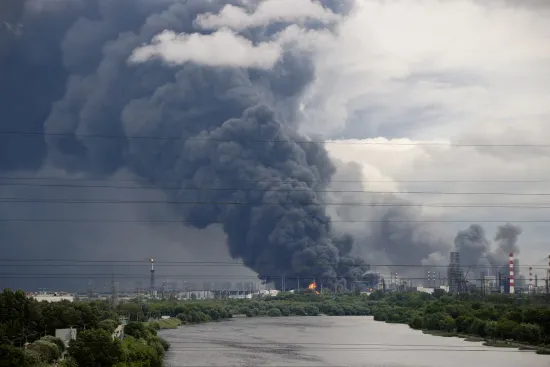
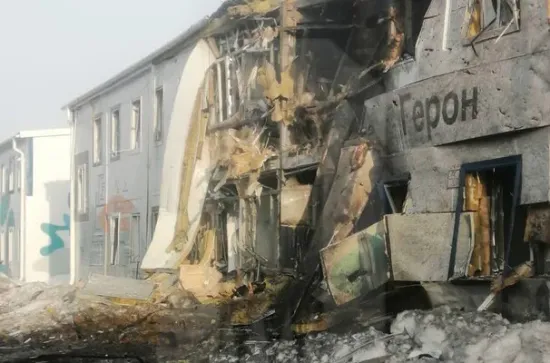
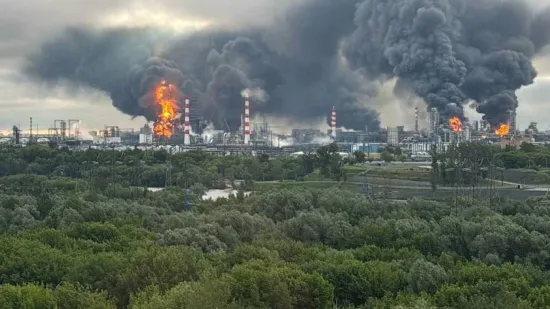
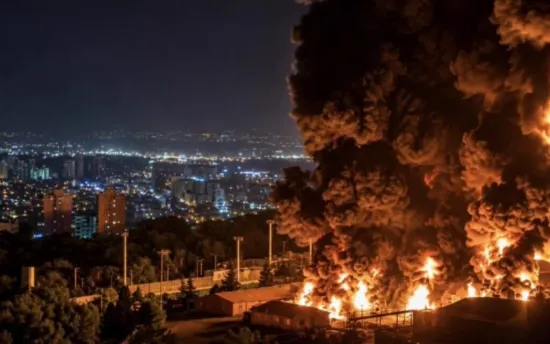
The United States has resumed air strikes on targets within Iran. US Central Command (CENTCOM) has stated that the operation is being carried out on the orders of President Donald Trump and is aimed at further undermining Tehran’s ability to threaten freedom of navigation in the Strait of Hormuz.
CENTCOM stated that the US is holding Iran to account for its recent aggression against commercial shipping and civilian crews transiting the international maritime route. The US military has not disclosed details regarding the new targets.
The day before, the command reported strikes on more than 80 targets within Iran. According to CENTCOM, the strikes targeted air defence systems, command and control networks, coastal radar stations, anti-ship missile defences, as well as more than 60 vessels belonging to the Islamic Revolutionary Guard Corps.
The US stated that the previous operation was in response to the firing upon three tankers in the Strait of Hormuz. CENTCOM described Iran’s actions as “unprovoked, dangerous aggression” and a breach of the ceasefire.
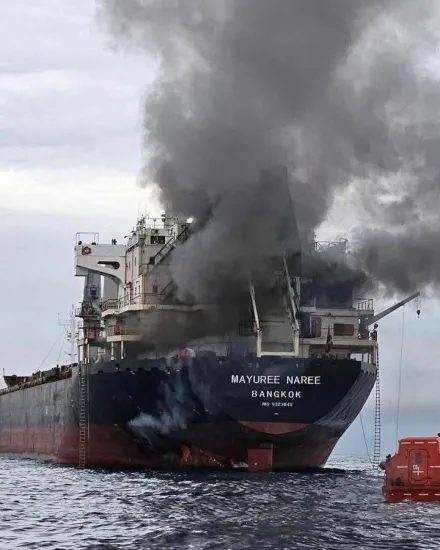
According to the Maritime Trade Coordination Centre of the Royal Navy, one tanker was struck by a drone and sustained minor damage. The centre also reported serious damage to the Qatari gas tanker Al-Rekajat, which, according to the crew, was struck by an “unknown projectile”. No further details were given regarding the third vessel.
Shortly before the announcement of the new strikes, Washington also reinstated sanctions on Iranian oil, which had been lifted just over two weeks ago.
In response, Iran accused the US of violating the fifth clause of the memorandum on freedom of navigation in the Strait of Hormuz. Iranian Foreign Ministry spokesman Ismail Baghai stated that Washington had “effectively breached the agreement through its unilateral actions and aggressive moves against Iran”, and that Tehran would defend its sovereignty and national interests.
Iranian media reported that, following the first wave of US strikes, the country’s authorities announced retaliatory measures. Kuwait and Bahrain reported shelling from Iranian territory. The Islamic Revolutionary Guard Corps claimed responsibility for the attacks, stating that they were in response to air strikes on coastal bases and civilian targets in the provinces of Hormozgan and Mahshahr.
During the NATO summit on 8 July, Donald Trump, responding to journalists’ questions regarding the validity of the ceasefire with Iran and the memorandum on the cessation of hostilities, stated: “I think that’s over. I no longer want anything to do with them.” He also described any contact with Iranian representatives as a waste of time, whilst noting that he would allow his negotiators to continue the dialogue if they deemed it necessary.
Meanwhile, negotiations between Washington and Tehran on a range of issues, including Iran’s nuclear programme, the presence of US troops in countries neighbouring Iran, and shipping regulations in the Strait of Hormuz, are continuing. The parties have not reported any progress since the memorandum was signed.
According to media reports, Tehran has not yet granted Western countries permission to fully clear the Strait of Hormuz of mines. As a result, shipping is restricted to just two narrow routes, and the volume of traffic is reportedly less than half of pre-war levels.