The Financial Times has suggested a likely timeframe for the start of substantive talks between Russia and Ukraine

Russia is unlikely to take part in substantive negotiations on ending the war against Ukraine before February 2027. This is according to the Financial Times, which cites a source in Moscow involved in discussions via closed diplomatic channels.
According to the publication, this timeframe may be linked to Russian President Vladimir Putin’s intentions to seize the remainder of Donetsk Oblast by the end of 2026. Ukrainian President Volodymyr Zelenskyy had previously spoken of such plans. The Financial Times also cites sources familiar with Ukrainian intelligence data and individuals in contact with the Russian leadership.
According to the publication, during previous peace talks, the Russian delegation told the American side that the United States must secure major concessions from Ukraine. This was reported to the Financial Times by senior Ukrainian officials who took part in the discussions. The newspaper’s sources also consider it unlikely that trilateral talks involving the US will resume before the end of the summer.
A Financial Times source in Moscow confirmed that the Russian side expects precisely this course of events. According to him, Russia continues to favour a scenario in which the US persuades Ukraine to make concessions. The source noted that Moscow is showing no willingness to make compromises of its own and continues to insist on its previously stated objectives.
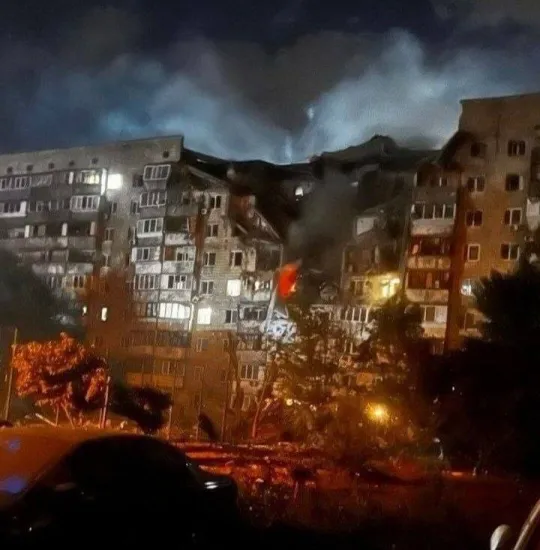
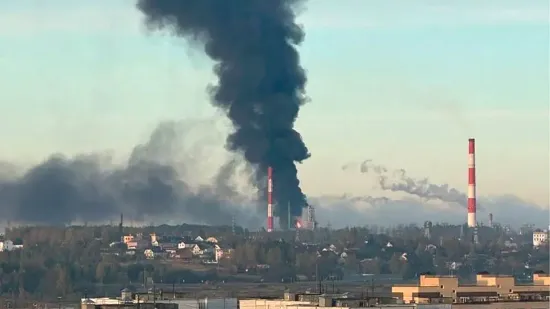
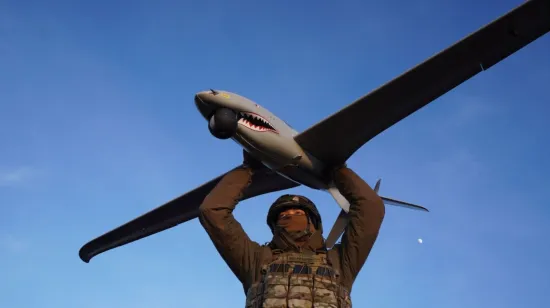
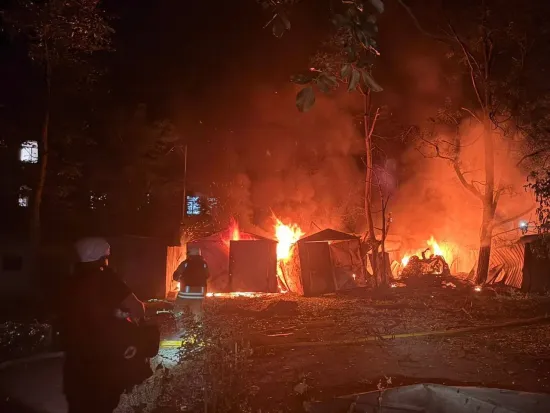
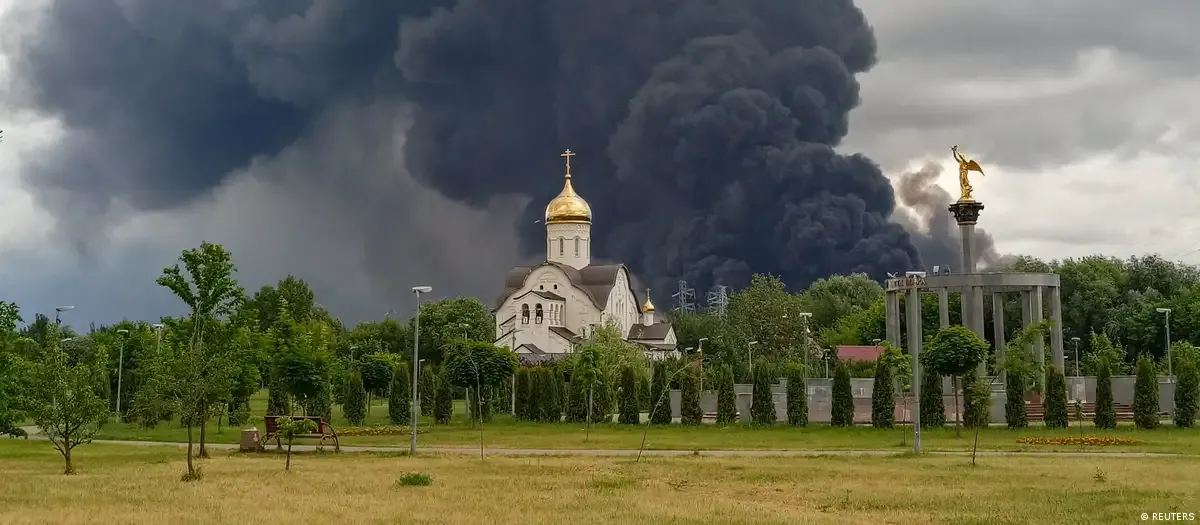
Separately, the Financial Times draws attention to the increasing scale of Ukrainian drone strikes on Russian territory. The publication describes their intensity as unprecedented and notes that they have led to the most serious fuel crisis in the Russian Federation in recent decades.
According to the Polish analytical group Rochan Consulting, in May Ukrainian drones successfully struck Russian oil refineries 16 times, a record number for a single month. In total, since the start of 2026, Russian oil refineries have been attacked at least 194 times, which is 11 times higher than the figure for the same period last year.
At the same time, the Russian Ministry of Defence claims that in the first six months of 2026, nearly 70,000 Ukrainian drones were allegedly intercepted over Russian territory and the temporarily occupied Ukrainian territories. Half of these incidents, according to the Russian side, occurred in the last two months.
The Financial Times notes that the increase in the number of Ukrainian drones is placing an additional strain on Russia’s air defence system and complicating the protection of critical military and energy facilities.
According to the publication, senior Ukrainian officials also reported that the improved accuracy of the strikes was aided by intelligence provided by the US, which helped to determine the optimal flight paths for the drones and bypass Russian air defences. Furthermore, the intensity of the attacks was increased thanks to a ramp-up in drone production and improvements to their control systems.