Russia could launch another massive strike as early as tomorrow: what Ignat said

This was reported by RBC-Ukraine, citing Yuriy Ignat, head of the Communications Department of the Ukrainian Air Force, during the ‘Yedyni Novyny’ telethon.
According to Ignat, on average, Russia’s massive strikes on Ukraine recur approximately once every 10 days, though this frequency is not consistent. He did not rule out the possibility that the enemy could launch a new strike the very next day following a previous large-scale attack.
“We must be prepared for the possibility that the enemy may repeat the strike,” Ignat said.
Why the intervals between attacks may be getting shorter
Ignat explained that it all depends on the Russian army’s ability to stockpile weapons. According to him, the process of preparing a massive strike is not a quick one, but Russia may be holding back some of its missiles or drones for subsequent attacks.
He noted that previously the intervals between massive barrages were longer, but Russia is now trying to shorten the pauses and keep Ukraine’s air defences on constant alert.
At the same time, Ignat emphasised that the Russians’ capabilities are not limitless. He said that if Russia were able to launch massive strikes every day, it would already be doing so.
What is known about the attack on 6 July
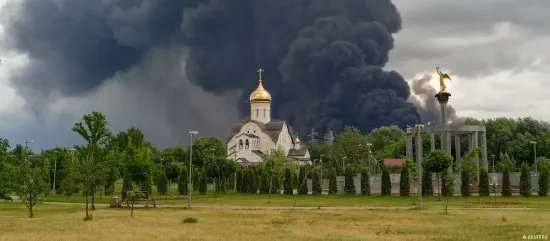
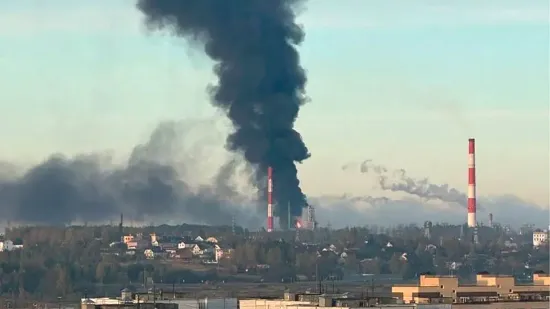
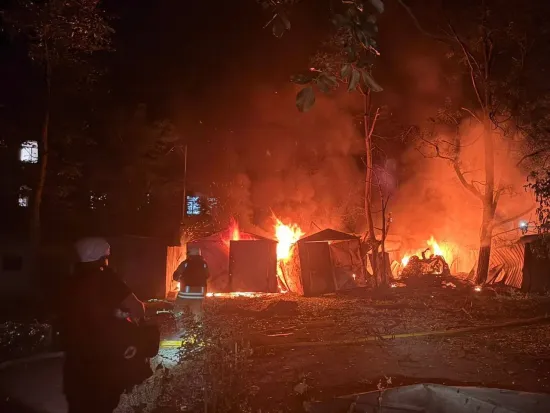
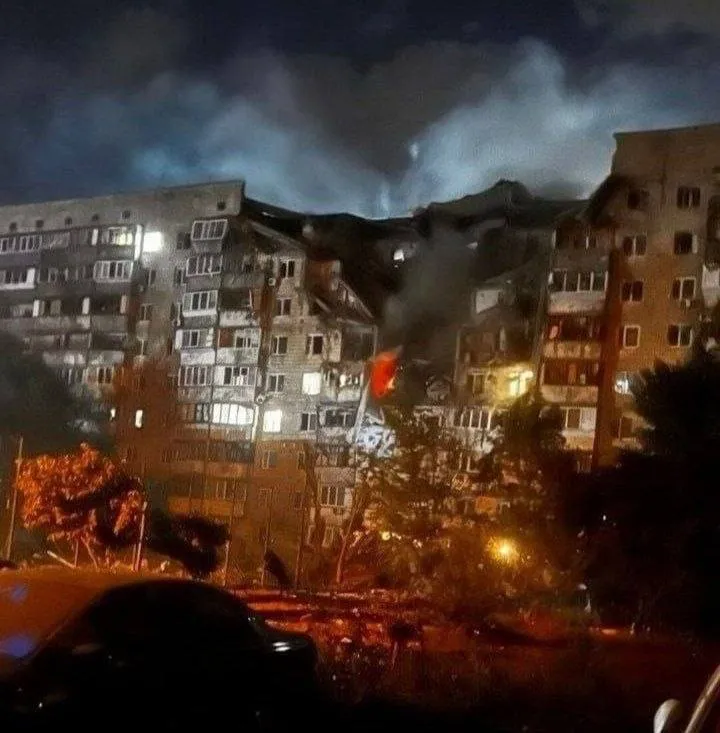
On the night of 6 July, Russia launched a massive combined strike against Ukraine. According to the Ukrainian Air Force, the enemy deployed 419 air-attack assets: 68 missiles of various types and 351 drones. The main target of the attack was Kyiv. This was reported by the Air Force and Ukrainian media, citing official data.
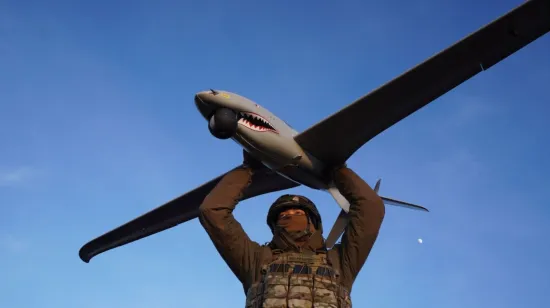
Among the projectiles launched were 6 ‘Zircon’/‘Onyx’ anti-ship missiles, 23 ‘Iskander-M’/S-400 ballistic missiles, 33 Kh-101 cruise missiles, six ‘Kalibr’ cruise missiles, as well as Shahed, ‘Gerbera’ and ‘Italmas’ strike drones and decoy drones. Ukrainian air defence forces intercepted 37 missiles and 326 drones.
According to Reuters, at least 11 people were killed and a further 46 were injured during the second large-scale attack on Kyiv in less than a week. The agency also reported that residential buildings in the Podilskyi and Darnytskyi districts of the capital sustained significant damage.
Why ballistic missiles are difficult to shoot down
Following the attack, Ignat drew particular attention to the problem of intercepting ballistic missiles. In a previous comment on the strike on 2 July, he explained that ballistic missiles remain one of the most challenging types of targets for Ukrainian air defence. At the time, he reported 25 ballistic missile strikes and emphasised that Ukraine intercepts cruise missiles much more effectively, particularly thanks to the work of its air force and F-16 fighter jets.
Following the attack on 6 July, President Volodymyr Zelenskyy also stated that the difficulties in shooting down ballistic missiles were linked to an insufficient supply of interceptor missiles. According to him, Ukraine needs to strengthen its air defence systems, particularly to protect against ballistic and hypersonic missiles.
How Russia’s tactics are changing
Ignat noted that Russia continues to adapt its tactics of massive strikes. According to Ukrainian media reports citing his comments, the enemy is combining various types of missiles with large numbers of drones in an attempt to overwhelm Ukraine’s air defence and identify weaknesses in its defences.
According to the Institute for the Study of War, in the first half of 2026, Russia carried out massive attacks in waves: after one to three large-scale attacks in a week, it would usually pause for one to two weeks to stockpile missiles and drones, before beginning a new cycle.
This is precisely why the Air Force is urging people not to ignore air raid alerts, even following the recent massive strike. According to Ignat, a follow-up attack could occur sooner than the public expects.
Follow us on Telegram.