At least 40 per cent of Russia’s oil export capacity has been halted

At least 40 per cent of Russia’s oil export capacity has been shut down following attacks by Ukrainian drones, an incident on one of the main pipelines and the detention of tankers. These figures were reported by Reuters based on market data.
This is the most serious disruption to oil supplies in the modern history of Russia, which is the world’s second-largest oil exporter. The situation has arisen against a backdrop of oil prices rising above $100 per barrel due to the war in Iran. Oil production remains one of the key sources of revenue for Russia’s state budget and a vital component of its $2.6 trillion economy.
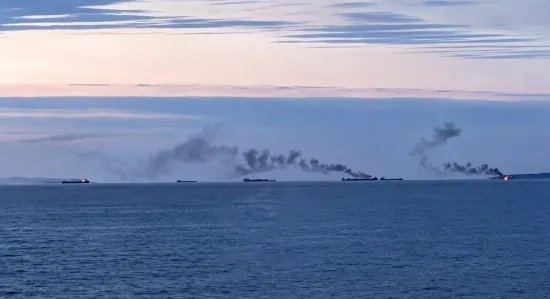
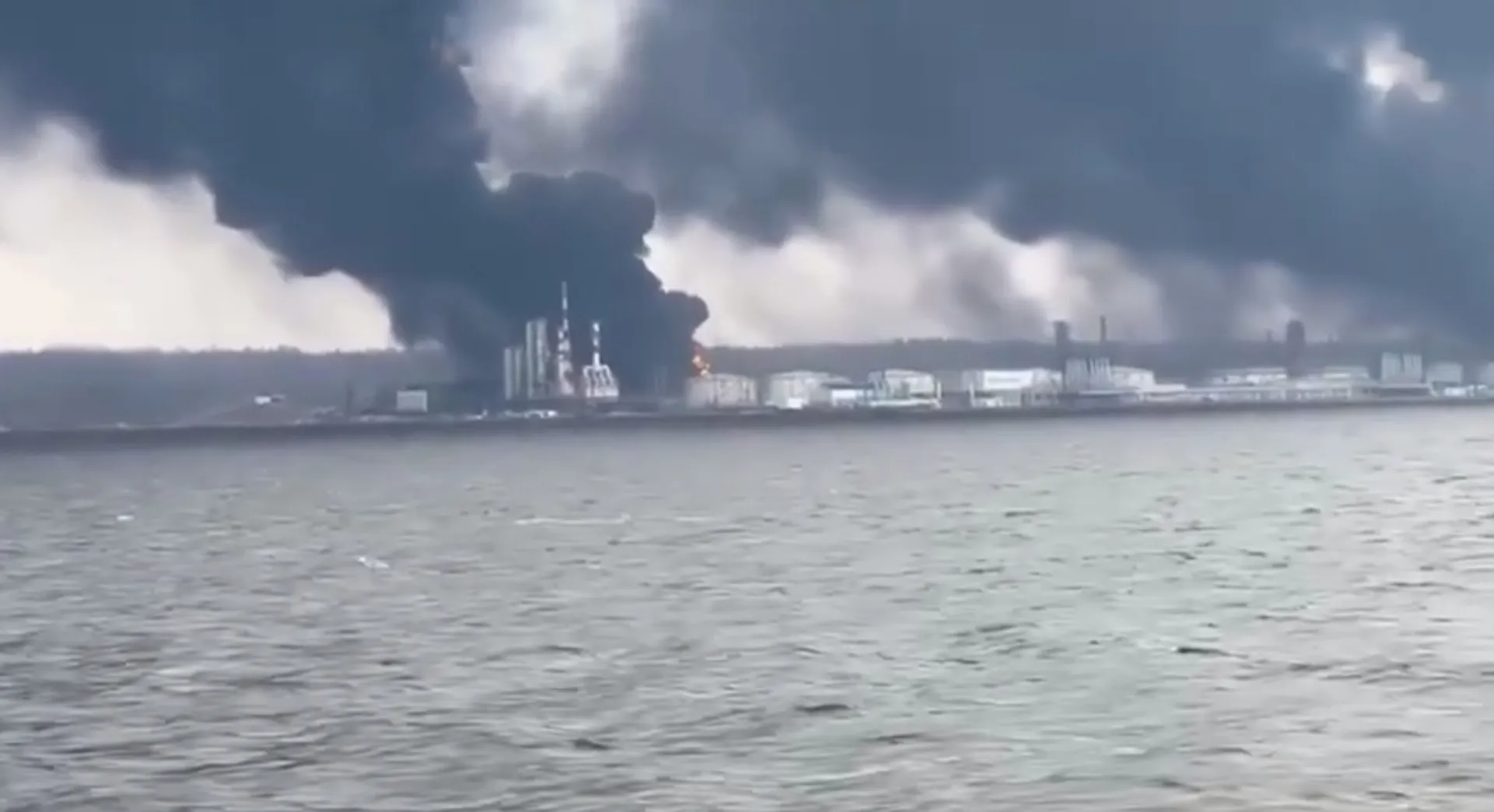
Over the past month, Ukraine has intensified drone attacks on Russia’s oil and fuel export infrastructure. Damage has been reported at all three of Russia’s main western oil ports, including Novorossiysk on the Black Sea, as well as Primorsk and Ust-Luga on the Baltic Sea.
According to Reuters estimates, as of Wednesday, around 40 per cent of Russia’s crude oil export capacity, or approximately 2 million barrels per day, had been halted following the latest attack.
This figure includes the ports of Primorsk and Ust-Luga, as well as the Druzhba pipeline, which runs through Ukraine to Hungary and Slovakia. Ukraine has also carried out strikes on oil pipeline pumping stations and refineries. Kyiv states that the aim is to reduce Moscow’s oil and gas revenues, which account for around a quarter of Russia’s state budget, as well as to weaken its military capabilities.
Russia claims that Ukraine’s strikes are terrorist attacks and has stepped up security measures on its territory.
Ukraine reported that part of the Druzhba oil pipeline was damaged as a result of Russian strikes in late January. Slovakia and Hungary have demanded that Kyiv immediately resume supplies.
The oil terminal in Novorossiysk, which can handle up to 700,000 barrels per day, is operating below planned volumes following significant damage caused by an attack by Ukrainian drones earlier this month.
Furthermore, the detention of Russia-linked tankers in Europe has disrupted exports of around 300,000 barrels of Arctic oil per day from the port of Murmansk, traders note.
Due to problems on western export routes, Moscow is forced to rely more heavily on oil supplies to Asia, but these routes are limited in capacity.
Russia continues uninterrupted pipeline supplies to China, notably via the Skovorodino–Mohe and Atasu–Alashankou routes, as well as maritime shipments of ESPO Blend via the port of Kozmino. Collectively, these routes account for around 1.9 million barrels per day.
Russia also continues to ship oil from two Far Eastern projects on Sakhalin at a rate of around 250,000 barrels per day. According to traders, approximately 300,000 barrels per day are being supplied to refineries in Belarus.