Single-crystal turbine blades were found in the engine of the downed X-101 missile

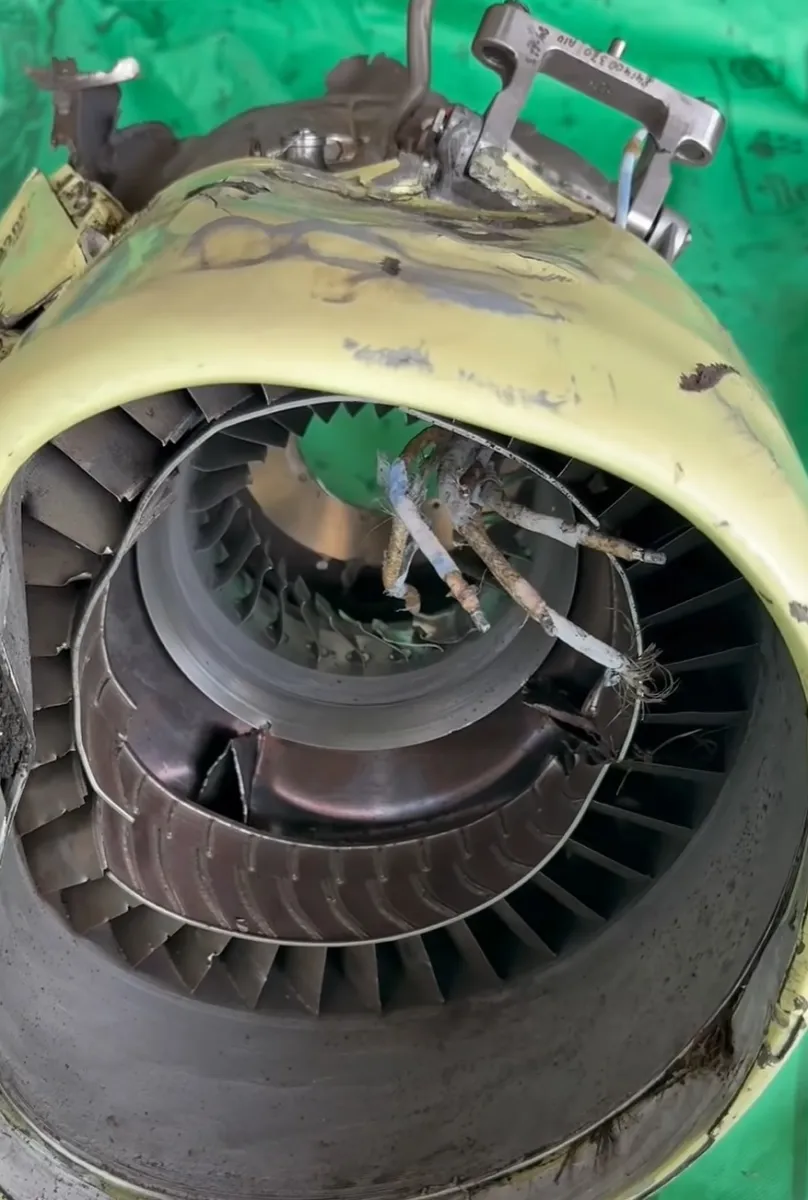
During an analysis of the wreckage of a Russian Kh-101 cruise missile, manufactured in late 2025, experts discovered single-crystal turbine blades in the engine. The results of the investigation were reported by the ‘Zampotech’ charitable foundation.
According to the experts, the use of a single-crystal structure eliminates the boundaries between the metal’s crystal grains, which increases the strength of the components, their resistance to high temperatures, and improves fuel efficiency, durability and corrosion resistance. Such technologies are traditionally used by certain global aircraft engine manufacturers, notably General Electric and Rolls-Royce.
Following the publication of the research findings, experts began discussing the possible origin of this technology. Among the theories put forward are both the possible supply of equipment via third countries and the use by Russian enterprises of their own developments, based on Soviet technologies for growing single crystals. However, there is no confirmed information regarding the origin of the relevant manufacturing capabilities.
The article also notes that the production of small turbofan engines of the TRDD 50 family for the Kh-55, Kh-555 and Kh-101 has for many years been carried out by the ‘Salyut’ Research and Production Association and the All-Russian Institute of Aviation Materials.
Experts link the engine’s modernisation to changes in the missile’s design. According to their estimates, from 2024 onwards, Russia began deploying modernised X-101 missiles equipped with a dual-warhead warhead. This increased the payload mass from approximately 450 to 800 kilograms, which necessitated a reduction in the volume of the fuel tanks and could have reduced the flight range.
According to preliminary estimates, an improved propulsion system could compensate for these changes and restore the missile’s range to approximately 5,500 kilometres, or even increase it.
The authors of the article note that the emergence of such technological solutions may indicate the continued modernisation of Russian cruise missiles, despite the current restrictions on the supply of high-tech products.