The US and Israel are discussing a possible ground operation to seize Iranian uranium

The United States and Israel have discussed the possibility of sending special forces into Iran to gain control of its stockpiles of highly enriched uranium. This was reported by four sources familiar with the discussions.
According to them, such an operation could take place at a later stage of the war. It is not yet clear whether this would be an American, Israeli or joint mission.
One of the stated goals of US President Donald Trump's war is to prevent Iran from obtaining nuclear weapons. Approximately 450 kilograms of uranium enriched to 60 per cent is considered a key element in this issue. Such material can be brought to a level suitable for the creation of nuclear weapons within a few weeks.
A possible operation would involve the presence of American or Israeli military personnel on Iranian territory and access to well-fortified underground facilities during the war.
According to sources, such actions could only be considered after both countries were confident that the Iranian military was no longer capable of posing a serious threat to the forces involved in the operation.
On 3 March, during a briefing in Congress, US Secretary of State Marco Rubio was asked whether there were plans to gain control of Iran's enriched uranium.
"People will have to go and take it," he replied, without specifying who exactly would carry out such a mission.
A representative of the Israeli Defence Ministry said that the US administration is seriously considering sending special forces to Iran to carry out specific tasks.
According to the American official, two options are being discussed in Washington. The first involves the complete removal of the material from Iranian territory. The other option is to bring in nuclear experts to reduce the level of uranium enrichment directly on site.
It is expected that special forces units will be involved in the operation, along with scientists, including experts from the International Atomic Energy Agency.
Sources noted that similar operations were among the options considered by the US administration before the start of the war.
Earlier, NBC News reported that Donald Trump had discussed the possibility of deploying a small contingent of US troops to Iran to carry out specific strategic tasks. Semafor wrote that among the possible options being considered were raids by special operations units on nuclear facilities.
The American official noted that the main operational challenge is determining the exact location of the uranium, the possibility of accessing it, and establishing physical control over the material.
After that, he said, the US president, together with the Department of Defence and the Central Intelligence Agency, would have to decide whether to transport the uranium or neutralise it on site.
Donald Trump, while speaking to reporters aboard Air Force One, said that the use of ground troops is not ruled out, but only "for a very compelling reason."
He also noted that if such a decision were made, Iranian forces would be so weakened that they would be unable to conduct combat operations on land.
When asked if troops could be used to gain control of nuclear materials, Trump replied that he did not rule out such a scenario.
"Maybe we'll do it someday. We're not looking for that. We're not going to do that right now. Maybe we'll do it later," he said.
White House spokeswoman Caroline Levitt said Donald Trump "wisely leaves all options open and does not rule anything out."
In addition to uranium, US administration officials also discussed the possibility of seizing Harg Island. It is home to a strategic oil terminal through which approximately 90 per cent of Iranian oil exports pass.
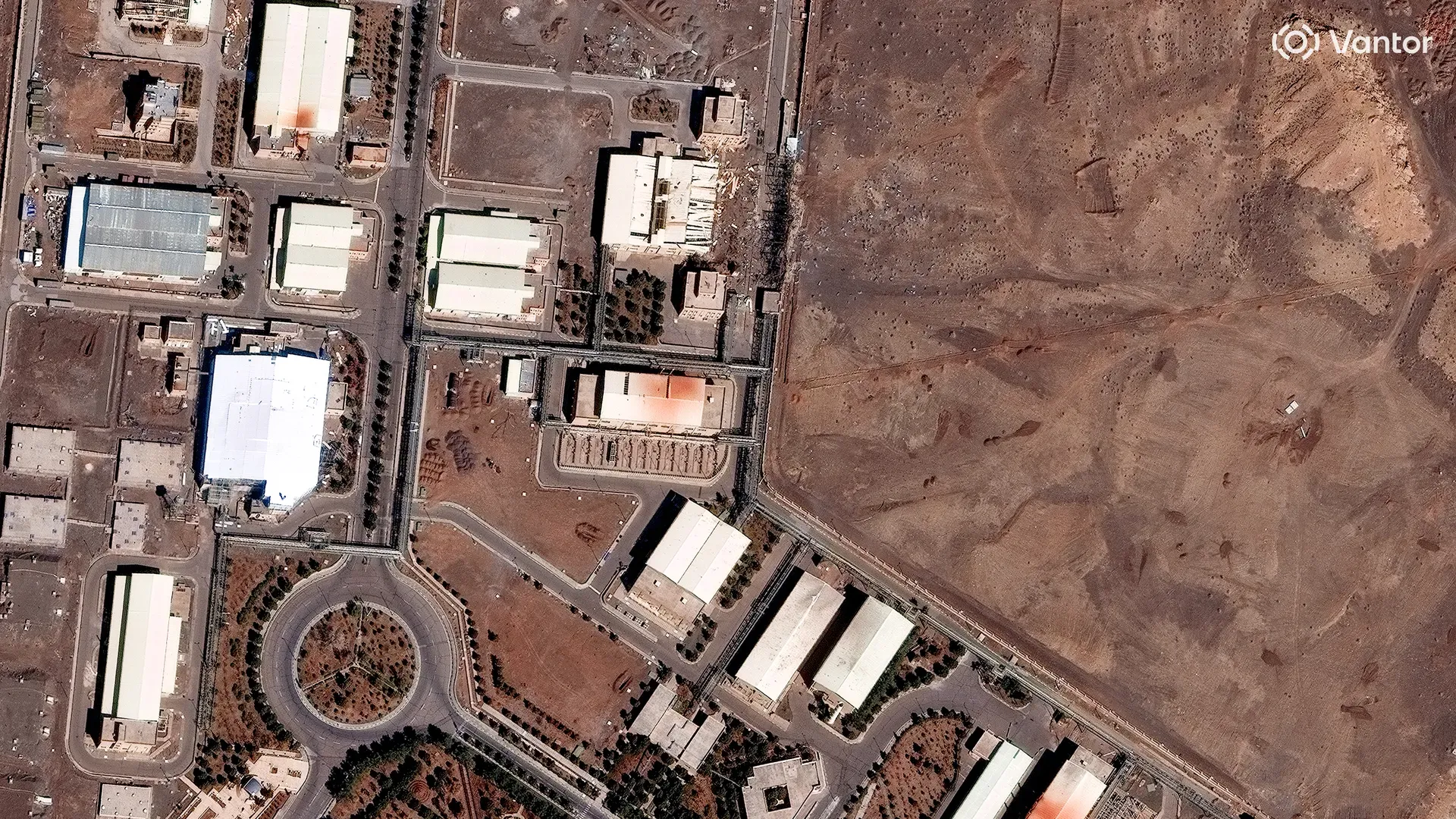
According to American and Israeli officials, most of the uranium reserves are stored in underground tunnels at a nuclear facility in Isfahan. Other reserves are located at facilities in Fordow and Natanz.
In the early days of the war, the US and Israel struck targets in Natanz and Isfahan. According to sources, these strikes were aimed at blocking the entrances to the underground tunnels to prevent the movement of nuclear materials.
Iran's stockpile is estimated at approximately 450 kilograms of uranium enriched to 60 per cent. Such material can be brought to 90 per cent, which is considered suitable for nuclear weapons, within a few weeks.
If the entire stockpile reaches 90 per cent enrichment, it could be enough to make about 11 nuclear bombs.
One senior US official noted that the use of ground forces in this context refers to small-scale operations by special forces units, rather than a large-scale troop deployment.
Another source also emphasised that this does not involve large-scale ground combat operations.