The US approved the sale of $151.8 million worth of weapons to Israel without congressional review.

On Friday, the administration of US President Donald Trump approved the possible sale of $151.8 million worth of weapons to Israel. The decision was made using emergency powers, which allowed the administration to bypass the congressional review process.
This was stated in a statement by the Bureau of Political-Military Affairs of the US State Department.
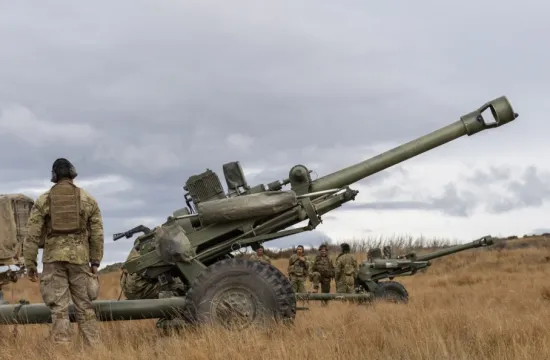
The statement said that the proposed package includes 12,000 BLU 110A B universal aerial bomb casings weighing 1,000 pounds. Engineering, logistical and technical services are also provided for.
The department said that the Secretary of State had concluded that an emergency existed and provided detailed justification for the need for immediate sale of weapons to the Israeli government.
On this basis, Section 36(b) of the Arms Export Control Act was applied, which allows the procedure for reviewing the agreement by Congress to be waived.
Repkon USA, based in Garland, Texas, has been designated as the prime contractor for this agreement. Some of the bomb casings are planned to be transferred from US warehouses.
The decision was made amid growing tensions in the region following joint US and Israeli airstrikes on Iran, which began on 28 February.
The strikes killed more than 1,000 people, including Iran's Supreme Leader Ali Khamenei, more than 150 schoolgirls and senior military commanders.
The conflict has caused instability in the region and a series of retaliatory attacks by Tehran on US-related facilities.
In particular, six American servicemen were killed in a drone strike on a tactical operations centre in Kuwait.
The decision to sell weapons was also made amid growing criticism in the US Congress over the transfer of weapons to Israel during the war in the Gaza Strip.
In July, 27 Democratic senators supported a resolution to block certain arms sales to Israel due to concerns about civilian casualties and the humanitarian situation in Gaza. However, this initiative was not adopted.