The US wants to persuade China to buy less Russian oil

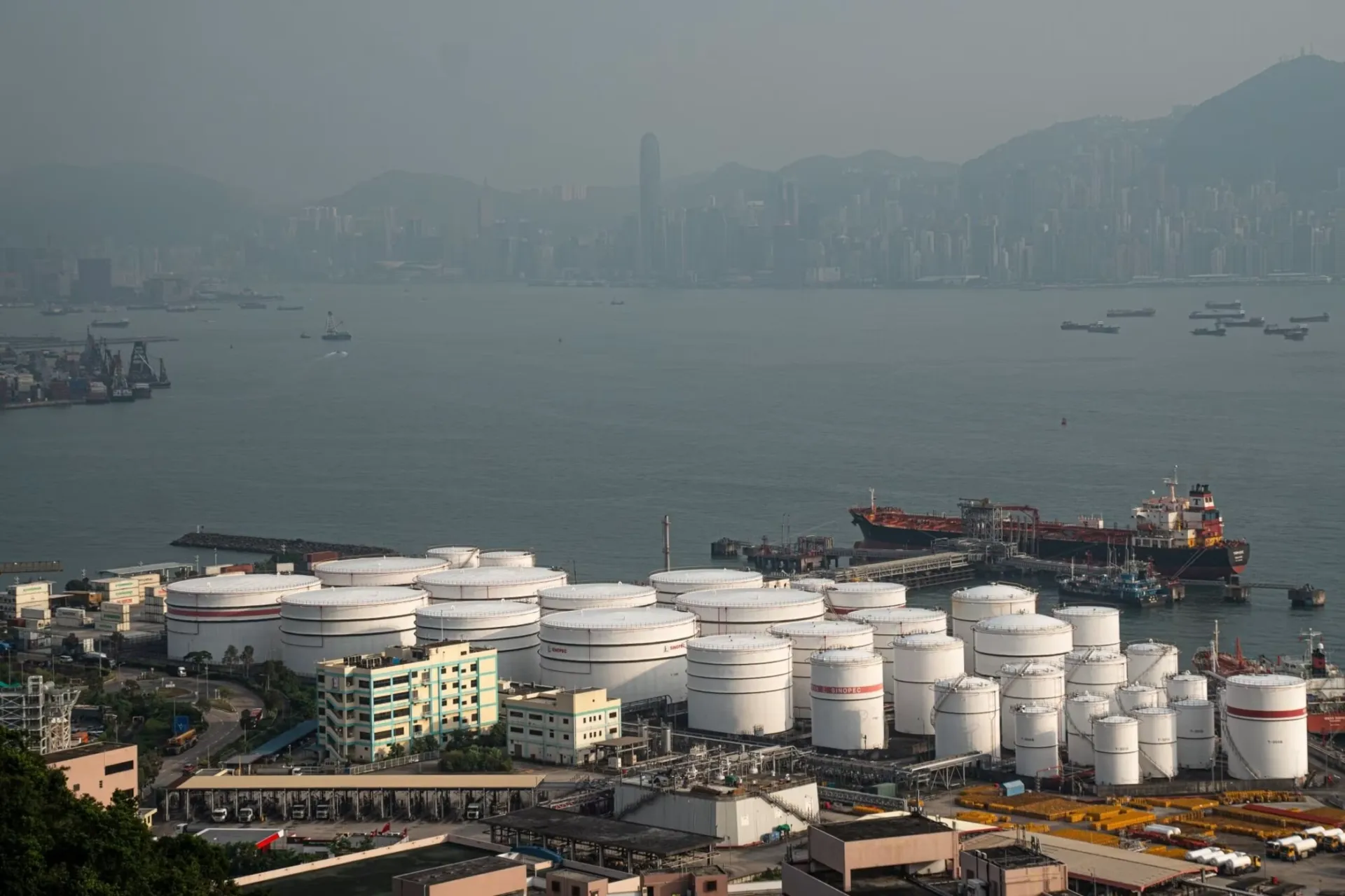
US Treasury Secretary Scott Bessent is considering raising the issue of reducing China's oil purchases from countries such as Russia during upcoming talks with Chinese representatives.
According to people familiar with the consultations, Bessent discussed the issue in closed-door meetings with former US officials, business representatives and analysts.
During these consultations, he spoke of his intention to persuade China to increase its purchases of American oil and gas.
It is expected that this issue may be raised at a meeting with Chinese Vice Premier He Lifeng in Paris in mid-March. The talks are intended to prepare the ground for a summit between Donald Trump and Xi Jinping, which is planned for early April.
Reducing purchases of Russian oil could be a difficult issue for Beijing, as China receives raw materials from its strategic partner at a significant discount.
American oil is more expensive, and abandoning Russian raw materials could affect China's relations with Moscow and its position in the war against Ukraine.
According to sources, Washington is also considering calling on China to reduce its purchases of Iranian oil.
Although a significant portion of Iranian exports has been suspended following strikes by the US and Israel, the US wants to reduce China's long-term dependence on Iranian oil in case supplies resume.
Xi Jinping is also expected to make his own demands during the talks. In particular, he may call on the US to take a more active stance against Taiwan's independence.
During the consultations, Bessent also spoke about the US's desire to expand Chinese purchases of American soybeans and Boeing aircraft, as well as to weaken Chinese restrictions on the export of rare earth elements.
These minerals are important for the production of electronics. Last year, China restricted their export in response to new US tariffs.
American manufacturers who use these materials in the production of cars and military equipment have experienced difficulties due to these restrictions.
The US government also expects China to adhere to the trade truce agreed at the end of last year in South Korea. As part of the agreement, Beijing agreed to a one-year suspension of export restrictions on rare earth elements.
For its part, Beijing may demand lower tariffs and an easing of US restrictions on exports of high-tech components, including microchip manufacturing equipment and artificial intelligence-related technologies.
Preparations for the talks included consultations with former US Trade Representative Robert Lighthizer, retired Brigadier General Rob Spalding, Blackstone executives, and analysts from the Asia Society and the Hoover Institution.
Washington believes that the negotiations should help shape more predictable economic relations between the world's two largest economies.
At the same time, recent strikes by the US and Israel on Iran have created additional uncertainty.
For China, these events raise concerns about energy security. Although Beijing can replace Iranian oil with supplies from Russia or the Persian Gulf countries, rising energy prices could negatively affect the country's economy.
Former US Deputy Secretary of State Kurt Campbell said that China is currently interested in stabilising relations with the United States, but may reconsider its position if the conflict in the Middle East escalates.