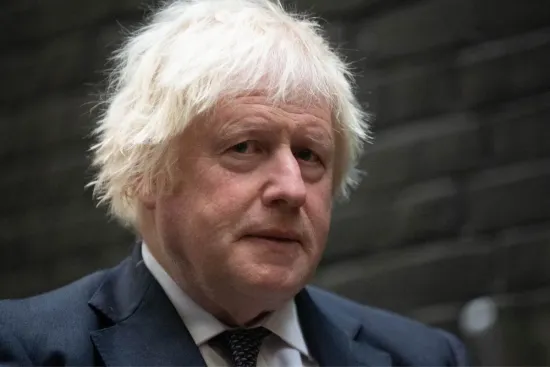
Starmer apologised to Epstein's victims for Mandelson's appointment

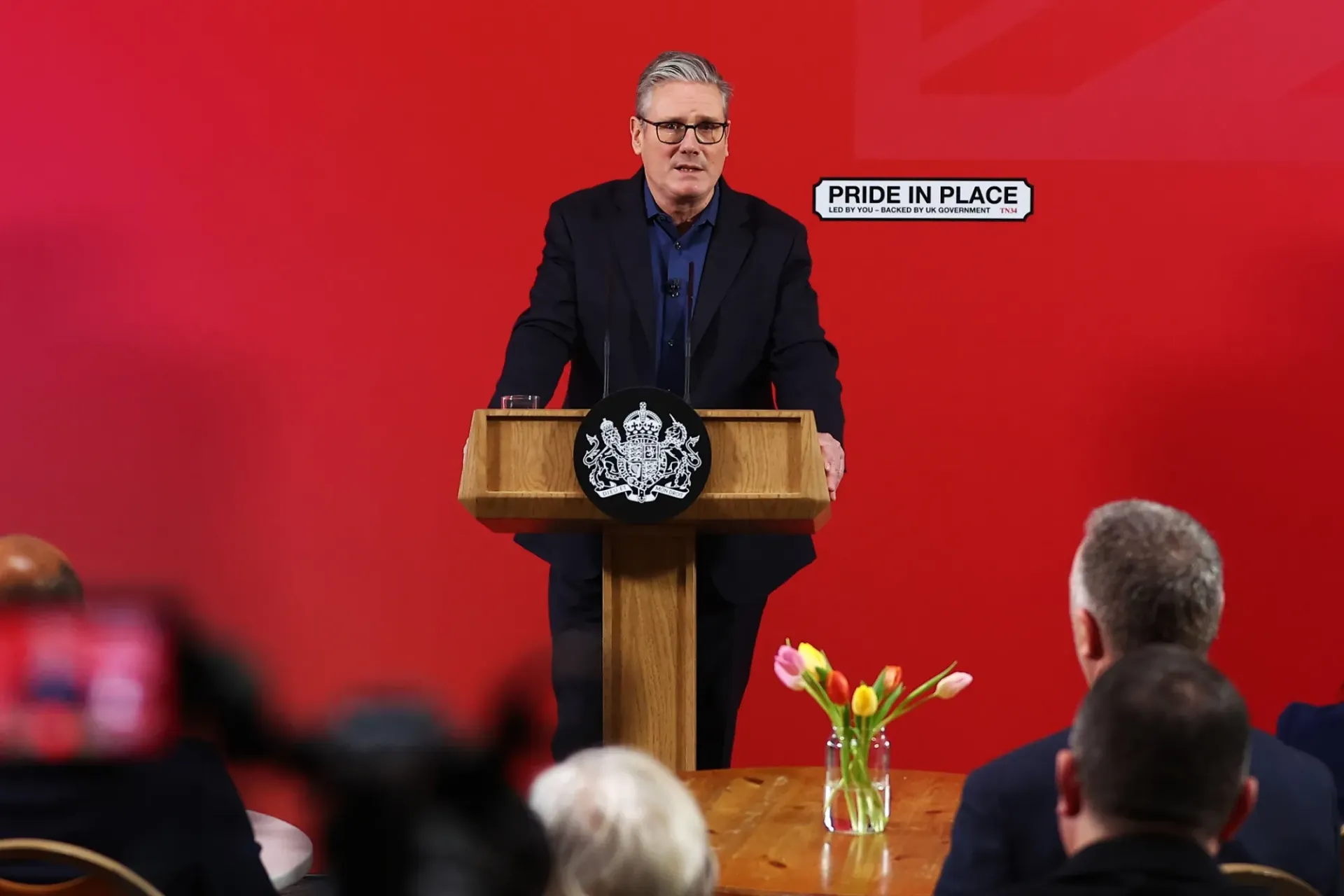
British Prime Minister Keir Starmer apologised to the victims of Jeffrey Epstein for appointing Peter Mandelson to a key position in his government. The head of the British government admitted that he believed Mandelson's explanations, which downplayed the nature and duration of his contacts with the financier convicted of sex crimes. This was reported by The Public with reference to Bloomberg.
"I am sorry. I'm sorry for what happened to you. I'm sorry that people in power let you down. And I'm sorry that I believed Mandelson's lies and appointed him," Starmer said, addressing Epstein's victims directly. He also stressed that the current public discussions are forcing the victims to relive this story.
Starmer said that before Mandelson's appointment, his team had asked about possible overnight stays at Epstein's estates, as well as gifts and hospitality. According to the prime minister, Mandelson's answers were not true. New emails released by the US Department of Justice showed that the relationship between them continued for years after Epstein was convicted in 2008 for trafficking minors.
The scandal has already seriously damaged the government's position. According to a YouGov poll released after Starmer's speech, 50 per cent of Britons believe he should resign, while 24 per cent support his remaining in office. The poll covered more than 6,700 respondents.
Against the backdrop of falling ratings and ahead of local elections, tensions are rising within the Labour Party. Parliamentarians have secured a review of Mandelson's investigation materials by the cross-party Intelligence and Security Committee. At the same time, the London police are conducting their own investigation and have already asked the government to restrict the publication of certain documents so as not to jeopardise the investigation.
In a speech on the regeneration of depressed cities, Starmer acknowledged that the Mandelson scandal was distracting attention from government initiatives. According to him, British politics is at a dangerous moment, with more and more voters becoming disillusioned with traditional parties and turning to populist forces.