Artificial intelligence is already on the front lines: how it is changing the war

This is written by ThePublic.info, citing BBC Ukraine.
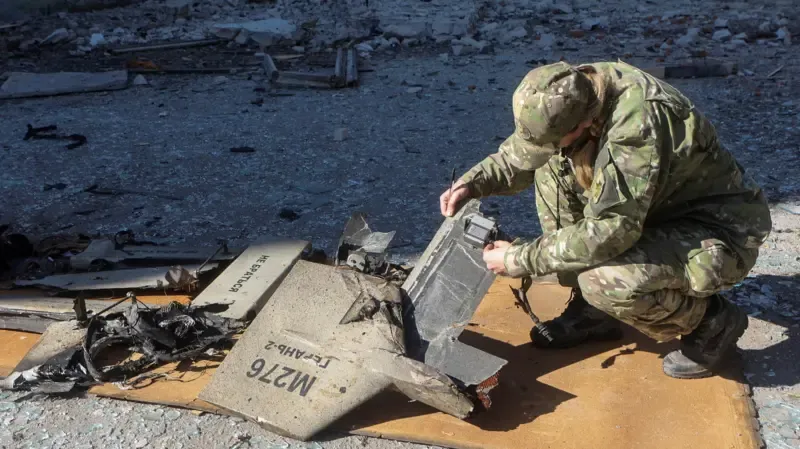
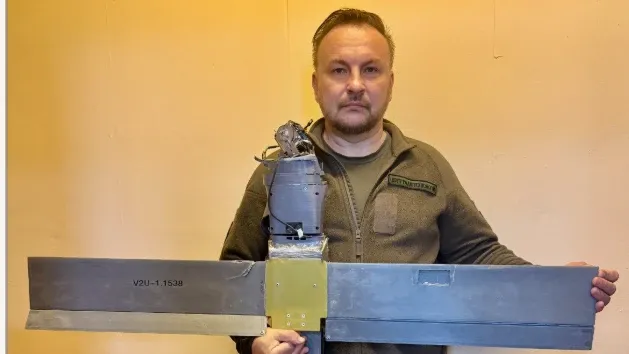
"This technology is our future threat," warns Serhiy Beskrestnov (Flesh), carefully studying the intercepted Russian drone. And it was not an ordinary drone. Thanks to artificial intelligence, it is capable of independently finding targets and attacking them. As a consultant for the Ukrainian army, Beskrestnov has examined many drones, but this one stood out. It did not send or receive any signals, therefore it could not be jammed.
Both Russian and Ukrainian forces are testing artificial intelligence, and in some areas, it is already being used: for target searching, intelligence gathering, and demining. For the Ukrainian army, AI has become indispensable.
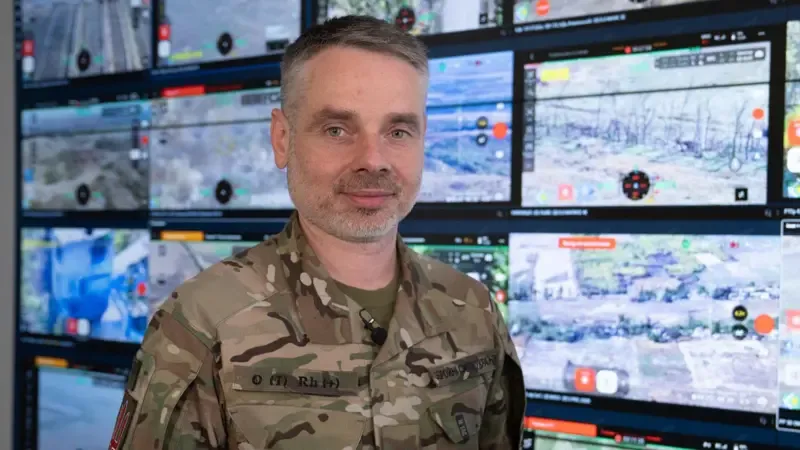
"Our military receives over 50,000 videos from the front every month, and artificial intelligence analyzes them," says Ukraine's Deputy Minister of Defense Yuriy Myronenko.
"It helps quickly process vast amounts of data, identify targets, and mark them on the map."
AI technologies allow planning operations, efficiently using resources, and ultimately saving lives.
Artificial intelligence is changing the very nature of combat, especially when it comes to unmanned systems. Ukrainian troops are already using AI-based software, which enables drones to lock onto a target and autonomously cover the last few hundred meters before striking. Such drones cannot be jammed, and shooting down this small aircraft is extremely difficult.
In the future, these systems could become fully autonomous: finding and destroying targets without human involvement. All that a soldier would need to do is press a button in a smartphone app, explains Yaroslav Aznyuk, CEO of the Ukrainian company The Fourth Law.
"The drone will find the target itself, drop explosives, assess the damage caused, and return to base. And the soldier won't need piloting skills," he adds.
Autonomous interceptors could strengthen air defense, for example, against Russian "Shaheds." "The computer system sees the target faster and acts more swiftly than a human," says Aznyuk.
There are no fully autonomous combat systems yet, although Ukraine is approaching their creation, notes Deputy Minister of Defense Yuriy Myronenko: "We have already partially implemented them in some devices."
By 2026, thousands of such systems may appear, believes Yaroslav Aznyuk.
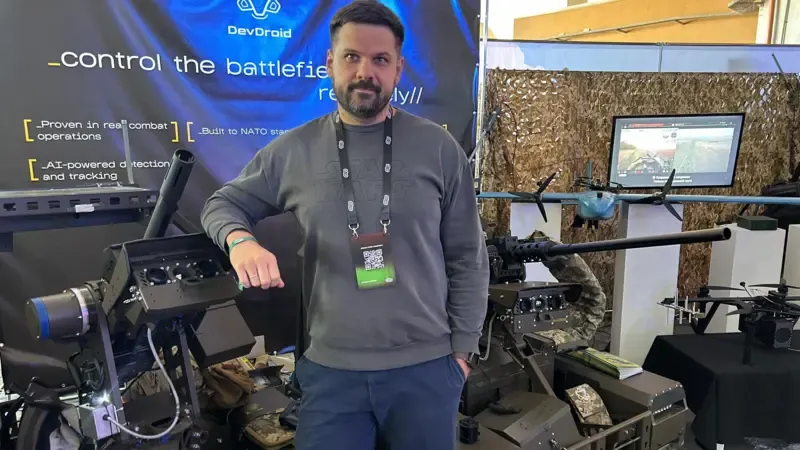
But Ukrainian developers are cautious: fully trusting combat systems without human oversight is dangerous. Artificial intelligence may confuse a Ukrainian soldier with an enemy if their uniforms are similar, explains Vadym from DevDroid.
DevDroid creates remotely controlled machine guns that automatically detect and track people using AI. However, due to the risk of "friendly fire," automatic firing is currently disabled.
"We can turn it on, but more experience and feedback from the troops are needed to understand when it is safe," says Vadym (he refused to disclose his surname).
There are also concerns that automated systems could violate the rules of warfare: whether they can avoid accidental strikes on civilians and correctly identify soldiers who surrender?
According to Myronenko, the final decision in such circumstances should be made by a human, although AI can "ease" this process. However, there are no guarantees that all parties will adhere to international humanitarian norms.
Countering such technologies is becoming increasingly important. How to stop a "swarm of drones" if neither electronic warfare systems, fighters, tanks, nor missiles help?
Ukraine's operation "Web" — when a hundred drones attacked Russian airbases in June last year — was reportedly supported by AI tools, according to experts.
Now in Ukraine, there are fears that Moscow will try to repeat this tactic — not only on the front line but far beyond its borders.
During a speech at the UN meeting, President Volodymyr Zelensky warned that artificial intelligence is already pushing the world toward "the most destructive arms race in human history."
He called for the creation of global rules for the use of AI in the military sphere, emphasizing that this issue is no less urgent than controlling the proliferation of nuclear weapons.