Ships in the Persian Gulf began calling themselves Chinese to avoid Iranian attacks

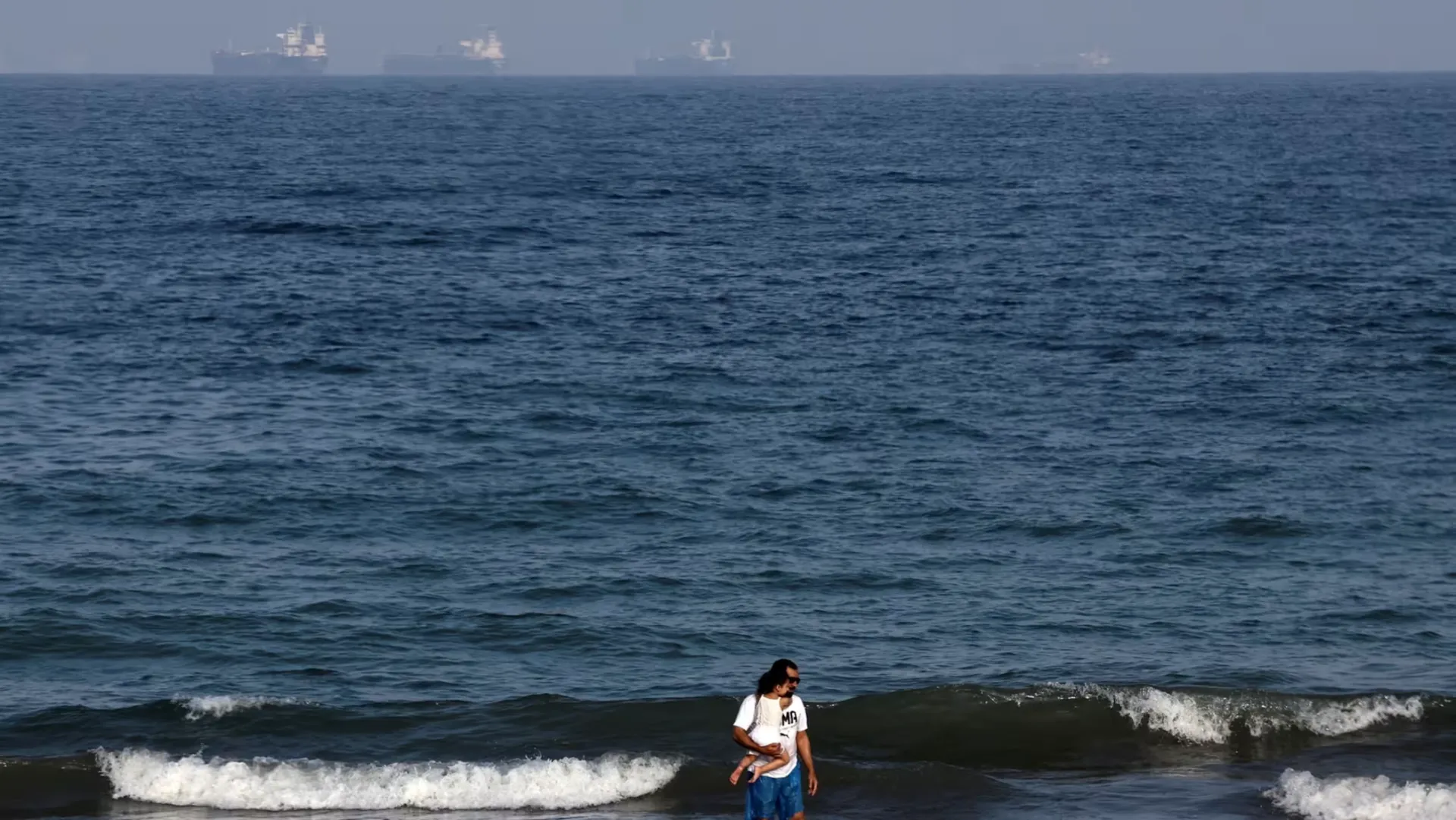
At least ten ships have changed their transponder signals over the past week, displaying messages such as "Chinese Owner," "All Chinese Crew," or "Chinese Crew Onboard." Data from the MarineTraffic platform, analysed by the Financial Times, confirms these changes.
According to estimates by the Lloyd's Market Association, there are currently about a thousand ships in the Persian Gulf and surrounding waters, with a total value of approximately $25 billion.
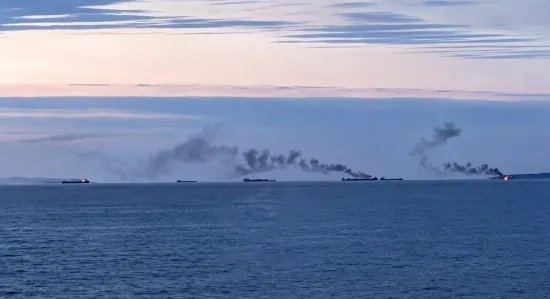
Iran continues to fire on ships not only when they attempt to pass through the Strait of Hormuz, but also in the northern part of the Gulf. On Wednesday, a drone struck an empty fuel tanker near Kuwait.
Some ships are also using another method of protection. They are changing their GPS signals to mislead weapon guidance systems. As a result, their coordinates are displayed on maritime transport tracking platforms as a cluster of several ships at one point.
Among the ships that have changed their transponder signals are container ships and oil tankers. Some of them are carrying cargo, while others are sailing without it.
Most ships remain in the Persian Gulf. One ship, Iron Maiden, passed through the Strait of Hormuz on Wednesday, temporarily changing its signal to "China Owner". After entering the waters off Oman, the signal was returned to its previous setting.
Other ships used different designations. On the first day of the conflict with Iran, the fuel tanker Bogazici crossed the strait, identifying itself as "Muslim Vsl Turkish". After passing through the dangerous area, it returned to its original designation.
The ship's captain is responsible for the transponder signal, which is used to communicate with other vessels and prevent collisions. The field indicating the destination can be easily changed.
Matthew Wright, an analyst at maritime data platform Kpler, noted that any information can be entered into the transponder.
"They can change anything, you can put anything you want in there," he said.
According to Wright, this practice first appeared in the Red Sea in 2023, when Houthi rebels in Yemen began attacking merchant ships.
At the same time, it is unknown whether Iranian forces or their allies treat ships that claim Chinese affiliation differently. However, crews are willing to use any means necessary to reduce the risk of attacks.