Winter 2026–2027 in Kyiv: experts have highlighted a real threat

This was reported by “Telegraf”, citing Volodymyr Omelchenko, director of energy programmes at the Razumkov Centre, and Artem Shyru, vice-president of the Ukrainian Water Association.
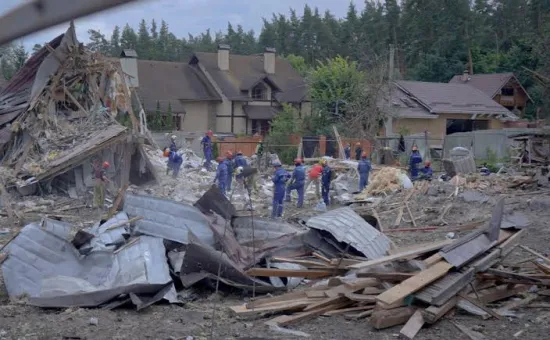
The debate was sparked by a statement made by Major General (Reserve) Serhiy Kryvonos of the Ukrainian Armed Forces in an interview with the YouTube channel “Apostrophe”. He linked potential problems with water, heating and drainage to regular Russian ballistic missile strikes on the capital and a shortage of missiles for the Patriot systems.
Kryvonos suggested that without electricity, Kyiv would be left without water and heating, and that within four to five days, the city could face critical problems with sewage.
The general also advised some Kyiv residents to consider temporarily relocating to villages or small towns, where, in his view, the infrastructure is better equipped to cope with prolonged power cuts.
As examples, Kryvonos cited Kremenchuk, where solar panels have reportedly been installed on almost every school, and Kharkiv, where, he said, the state fully covers utility costs. He did not provide any independent confirmation of these claims.
A similar view was expressed on 20 July by Taras Chmut, founder of the “Come Back Alive” foundation. He also stated that some residents of the capital should consider the possibility of leaving in advance.
An energy expert described Kryvonos’s statement as alarmist
Volodymyr Omelchenko questioned the general’s conclusions, emphasising that he is not an expert in municipal infrastructure.
According to the expert, in wartime conditions no scenario can be completely ruled out, but a total collapse of the city’s systems is not the most likely outcome.
The state of the heating supply is a greater cause for concern. Omelchenko believes that the most difficult situation could arise on the Left Bank of the capital, which is heavily dependent on the Darnytsia CHPP, CHPP-5 and CHPP-6.
Among the high-risk districts, he named Troieshchyna, Darnytsia, Rusanivka and Osokorky. It was in these parts of Kyiv that the most serious heating problems were recorded last winter.
What really threatens homes this winter
Artem Shira disagreed with the prediction of a city-wide collapse following four to five days without electricity.
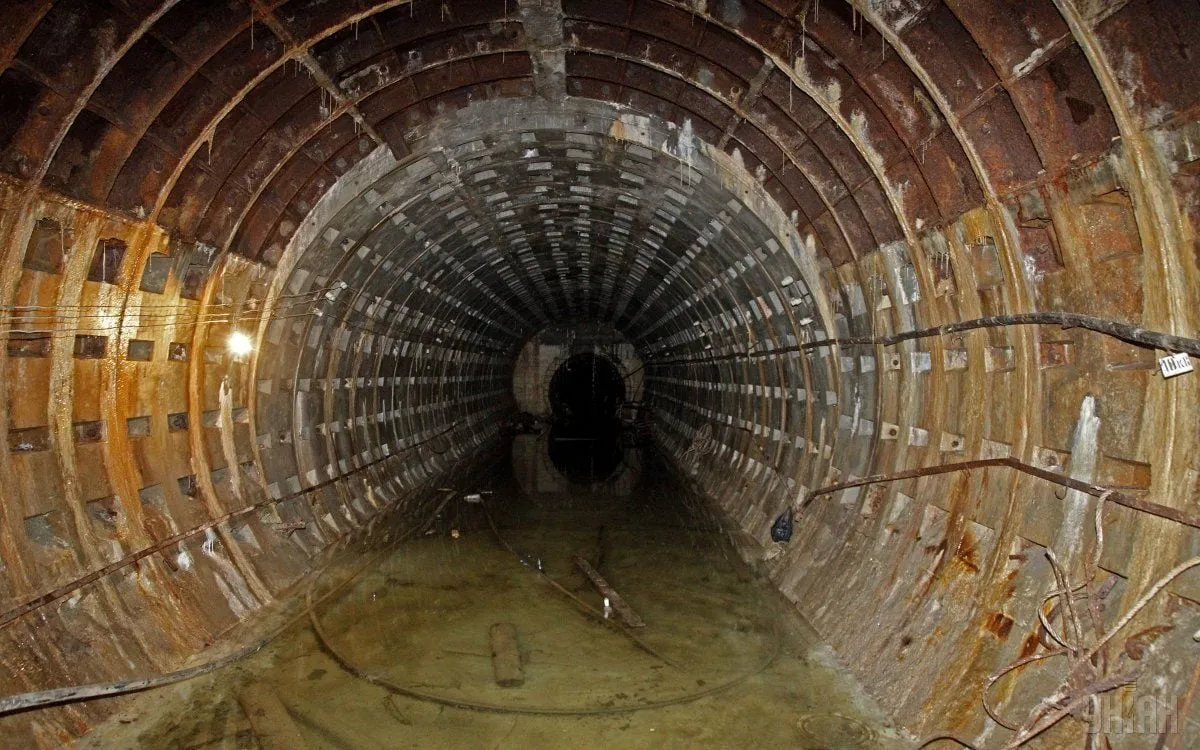
He explained that water supply and drainage facilities are classified as critical infrastructure, so they are not shut down according to scheduled maintenance plans. In the event of a total blackout, pumping stations can switch to backup power from generators.
If the generators are operational, a few days without an external power supply should not cause a large-scale system failure, the expert noted.
Shira identified the lack of heating in residential buildings as the main risk. During prolonged cold spells, internal sewage pipes may freeze, after which waste water will no longer be drained properly from flats.
Such a scenario would not result in a city-wide disaster, but rather in localised incidents in individual buildings left without heating.
Will there be enough generators and fuel?
Back-up generators at pumping stations are designed to operate during emergency power cuts. The weak point may not be the equipment itself, but the continuous supply of diesel fuel, should a blackout last for several days in a row.
In May 2026, ‘Kyivvodokanal’ announced the delivery of three powerful diesel generators to provide backup power for critical water supply and sewerage facilities. The company had previously installed autonomous power sources at pumping stations.
Shira declined to name the most vulnerable facilities in the city’s system. According to him, details of critical infrastructure vulnerabilities cannot be disclosed publicly during wartime.
What are the first signs of a problem?
If a building’s internal drainage system stops functioning properly, residents on the lower floors will be the first to notice.
The water will start to drain slowly or stop draining altogether from the toilet, bath or washbasin on the ground floor. The water level may gradually rise.
In such a situation, you must immediately contact the emergency services, the management company or the owners’ association. The water supply to the building should be shut off promptly to minimise the risk of flats and the basement being flooded with sewage.
According to Shyra’s assessment, the consequences of the sewer system overflowing mainly threaten basements, the ground floor and, in some cases, the first floor. The problem does not usually affect flats above these levels.
How Kyiv is preparing for the winter of 2026–2027
The city authorities state that they are already implementing an energy resilience plan ahead of the heating season. Key areas include the restoration of damaged facilities, the physical protection of infrastructure, the development of cogeneration, and an increase in the number of backup power sources.
Kyiv has allocated over 10 billion hryvnias for these measures. Some of the projects are designed not just for the coming winter, but for two to three years and beyond.
The government’s task force on preparations for the heating season has specifically assessed the capital’s readiness for potential Russian attacks. The Kyiv City Military Administration has been instructed to adhere to repair schedules, implement the resilience plan and secure international assistance for utility companies.
Residents of high-rise blocks, where water and heat pumps rely on electricity, may also receive backup power systems under state and municipal programmes. To take part, co-owners must reach a joint decision for the building and apply to the district administration.
What the heating season might look like
Shira suggests that the winter of 2026–2027 may prove less challenging for the drainage system than the previous season. According to him, the main problems previously arose due to a lack of heating in individual buildings, rather than the power cuts to pumping stations themselves.
The expert sees no grounds for predicting a large-scale collapse of public utilities across the whole of Kyiv. At the same time, localised incidents remain a possibility, particularly if buildings remain unheated for prolonged periods during severe frosts.
Experts cite the freezing of internal risers in unheated buildings as the most realistic threat. Preparations for winter should focus precisely on maintaining heating, ensuring a backup power supply for building pumps, and responding swiftly to the first signs of breakdowns.
As reported by ThePublic, will there be enough gas and electricity this winter? What should Ukrainians be preparing for in the new heating season?
Follow us on Telegram.