The Ombudsman identified shortcomings in 93% of the shelters inspected

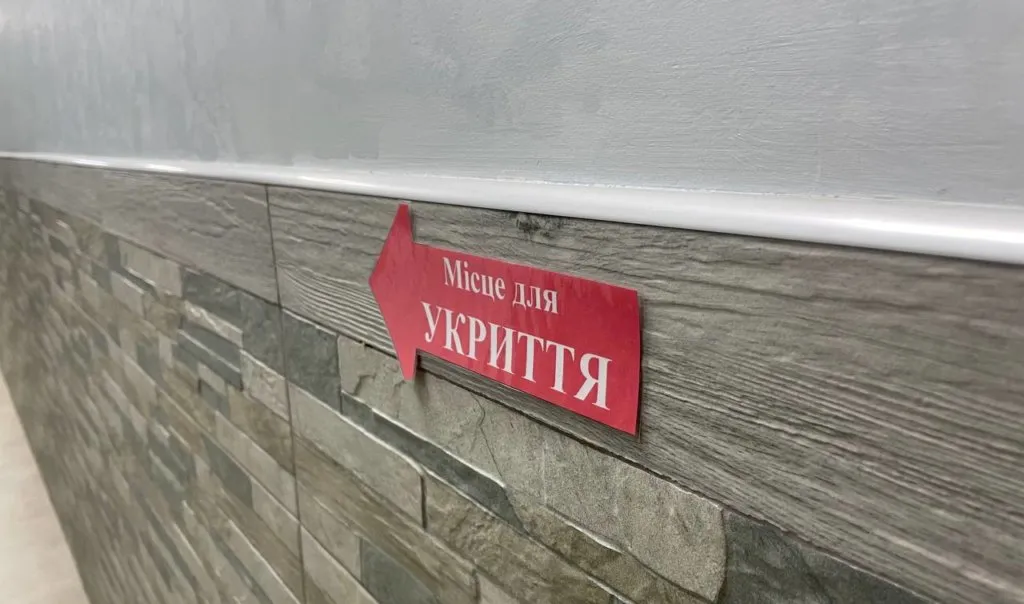
This was announced by Dmytro Lubinets, the Verkhovna Rada Commissioner for Human Rights. The data is also included in the report “The Condition and Functionality of Shelters in Ukraine”.
Representatives of the Verkhovna Rada Commissioner for Human Rights carried out 1,066 monitoring visits to 991 civil defence shelters.
The inspection revealed shortcomings in the vast majority of facilities. Only 80 shelters received no recommendations for improvement.
The study covered shelters marked in the “Diya” app as accessible to the public in territories under Ukraine’s control.
In total, based on the monitoring results, 3,996 recommendations were made to improve the condition of the shelters. On average, this amounts to around 4.5 recommendations per facility.
Where is the situation worst?
The highest average number of recommendations per shelter was recorded in Zakarpattia Oblast – 9.2.
Among the regions most frequently subjected to air strikes, shelters in the Kherson region received the most comments – 5.4 recommendations per facility.
In Zaporizhzhia Oblast, this figure stood at 4.6, while in Kyiv and Odesa Oblasts, it was 4.1 recommendations per facility.
80 shelters were effectively non-operational
Among the inspected facilities, 80 shelters were effectively non-operational. This represents 8% of the inspected stock.
The highest number of such facilities was found in the Lviv region – 16.
In Kyiv, 11 shelters that were effectively non-operational were recorded, and in the Zhytomyr region – 8.
The Ombudsman’s office also noted that data on available shelters on the ‘Dія’ portal and on local authorities’ information resources may differ.
Experts attribute this to technical asymmetry: “Dія” is updated automatically, whilst other resources require manual updating. This creates a risk of outdated or conflicting data.
Which shelters are in the best and worst condition
The best condition was recorded in dual-purpose structures that also function as shelters. Such facilities include, in particular, underground stations.
The Ombudsman’s Office believes that the better condition of such structures is linked to the responsibility of the property manager and the presence of permanent staff.
Conversely, the worst condition was recorded in the simplest shelters, particularly the basements of residential buildings managed by housing associations or private companies.
The report notes that such facilities often lack resources, do not receive financial support and remain without proper supervision.
The main problem – accessibility
The most critical issue with the shelters was their inaccessibility to people with disabilities and other groups with reduced mobility.
This shortcoming was recorded at 101 sites.
Experts also frequently found a lack of food and water supplies – 91 cases – as well as a lack of fully stocked first-aid kits – 53 cases.
Despite the recommendations provided, accessibility of the shelters was ensured in only 25% of cases.
By comparison, the requirement for signage was met in 64% of shelters following the observations, and the requirement for food supplies in 58%.
The problem of funding shelters
The report specifically notes that legislation only broadly defines the sources of funding for shelters. These include funds from the state budget, local budgets, business entities and other sources not prohibited by law.
At the same time, for housing associations, private enterprises, tenants and municipal utilities, the legislation largely declares the possibility of participating in funding but does not establish clear minimum obligations.
However, it is the balance sheet holders who are responsible for ensuring shelters are ready for use and may face administrative or criminal liability in the event of their unreadiness or any resulting consequences.
State funding for shelters is currently concentrated mainly in the education sector. In 2025, a subsidy of 6.2 billion UAH was allocated for the fitting out of shelters in schools, whilst for 2026 the subsidy for school shelters amounts to 5 billion UAH.
At the same time, such shelters often have limited access and are used primarily by those involved in the educational process. Therefore, this funding only partially affects the overall level of protection for the population.
Follow us on Telegram