The US has temporarily allowed Iran to export oil and conduct transactions in dollars
The Office of Foreign Assets Control (OFAC) of the US Department of the Treasury has issued a licence permitting trade in crude oil and petroleum products produced in Iran until 21 August.
The licence is valid for 60 days. It is expected that during this period, Tehran and Washington will reach a comprehensive agreement on the contentious issues set out in the memorandum signed last week.
The licence permits not only the export of products from the Iranian oil industry but also their purchase by third countries. The document states that supplies may also be made to the US, and payment is permitted in US dollars, including to Iranian individuals and organisations subject to sanctions.
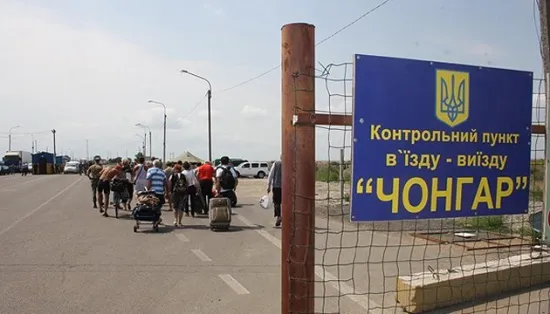
An exception has been made for supplies to North Korea, Cuba and the occupied territories of Ukraine, including Crimea.
Following the first round of talks between the US and Iranian delegations, Esmail Baghai, a representative of the Iranian Ministry of Foreign Affairs, stated that the parties had agreed to establish a special mechanism to ensure the safe passage of vessels through the Strait of Hormuz. The talks also covered the issues of authorising oil sales and unfreezing Iran’s frozen assets.
Iran’s Foreign Minister Abbas Araghchi later clarified that decisions regarding oil exports and the unfreezing of assets had been agreed.
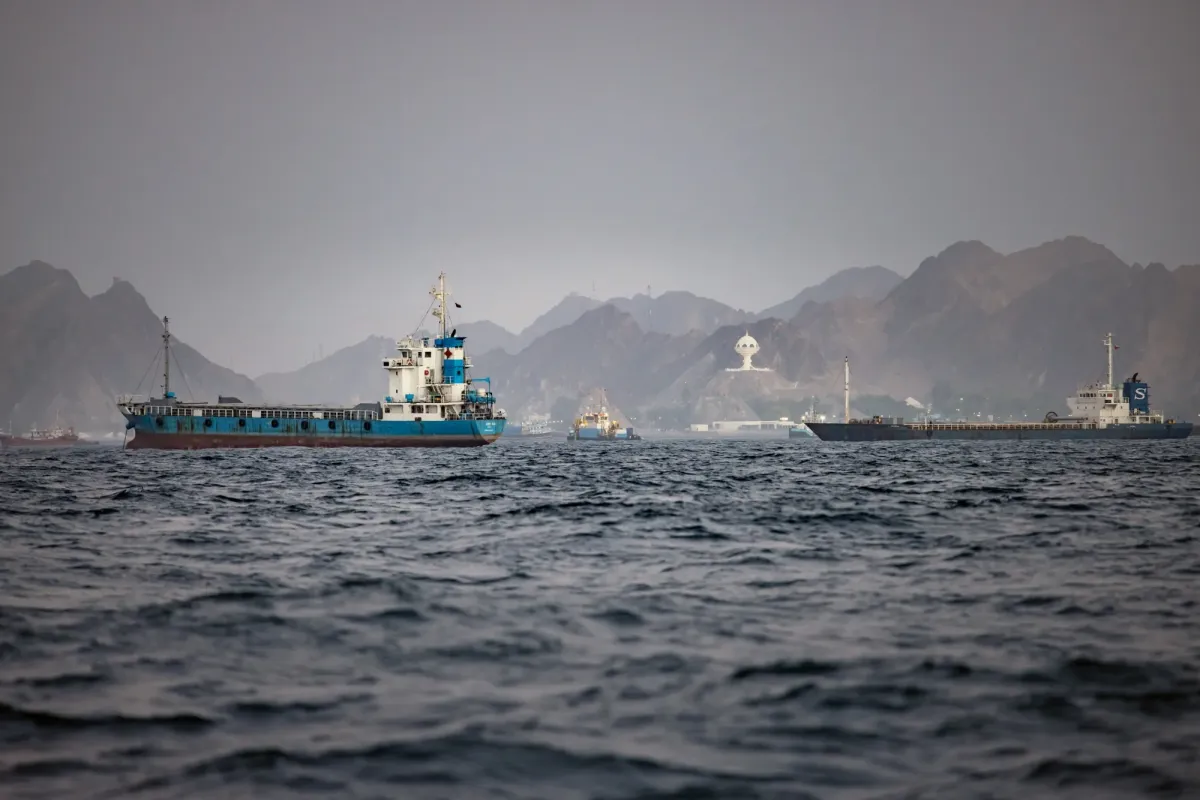
Against this backdrop, oil shipments through the Strait of Hormuz have risen to their highest level since the start of the war.
According to Bloomberg, on Friday, Saturday and Sunday, tankers carrying around 20 million barrels of oil passed through the strait. This is the highest recorded volume of shipments since the end of February.
Iran also transported a further 6 million barrels during the morning.
The actual volumes may be higher, as tankers sometimes switch off their transponders whilst passing through for security reasons. US Central Command reported that 17 million barrels of oil passed through the Strait of Hormuz on Saturday alone.
The Joint Maritime Information Centre reported that vessel traffic through the Strait of Hormuz is increasing. At the same time, it noted that Iran continues to monitor vessel movements via radio enquiries and surveillance.
Tehran also announced significant progress in negotiations with the US, which continued throughout the night in Switzerland.
US Vice-President Jay D. Vance announced that a mechanism had been established to ensure the continued passage of vessels through the Strait of Hormuz.
In addition to Iranian oil, volumes from Iraq, Saudi Arabia, the United Arab Emirates and Kuwait are transported through the strait. The main buyers remain Japan, South Korea and other countries.